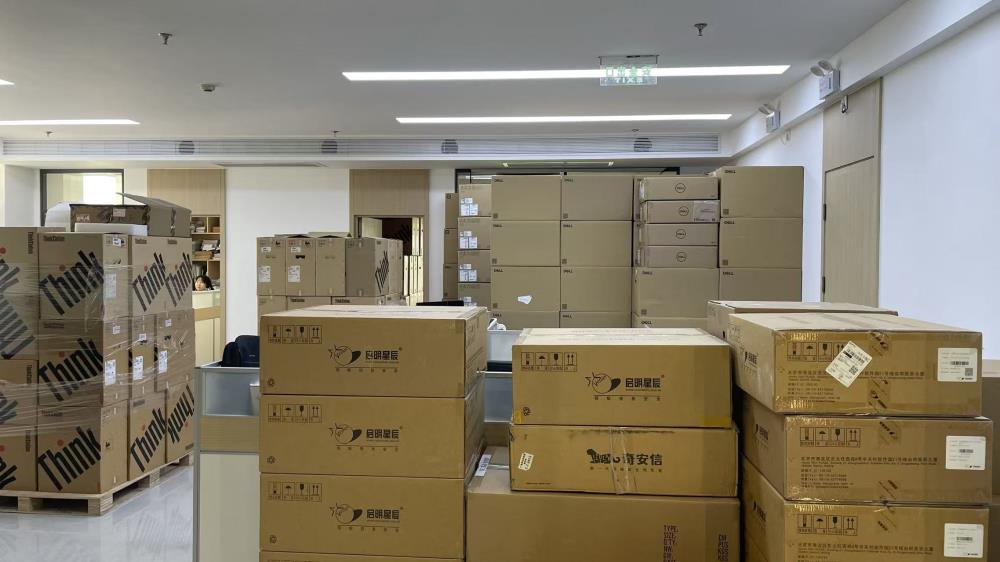
Premium high-performance cloud nodes, computing databases, and customized GPU workstations optimized for modern intensive workloads.
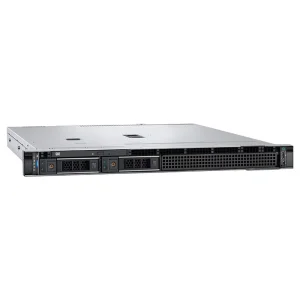
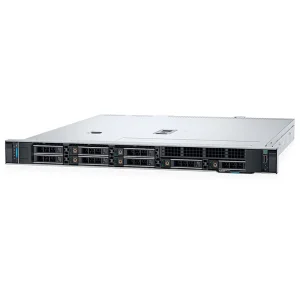
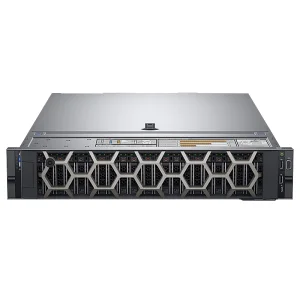
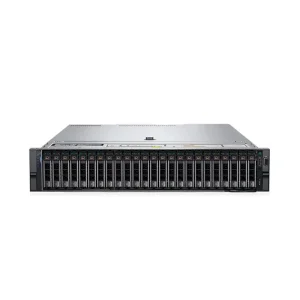
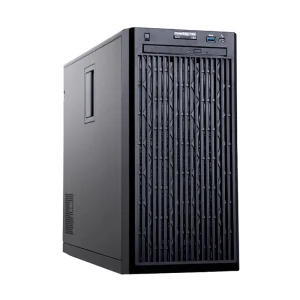
An authoritative analysis of high-density hardware manufacturing, thermal management, and localized edge architectures.
Modern Large Language Model (LLM) fine-tuning demands high bandwidth and rapid interconnectivity. The integration of dual-socket Intel Xeon Scalable processors with PCIe Gen 5 topologies in platforms like the R760 and G5500 V7 resolves communication bottlenecks, enabling sustained multi-GPU synchronization for deep learning paradigms.
By tailoring server chassis configuration, power units (up to 2400W redundancy), and memory densities (DDR5 ECC modules), enterprises mitigate capital expenditure over-provisioning. Our optimization models verify that bespoke platform sizing yields up to a 34% reduction in long-term data center operational overhead.
Silicon-level security anchors the integrity of modern hardware deployments. Utilizing hardware Root of Trust (RoT), secure boot protocols, and cryptographic firmware signature verification, these servers protect critical enterprise data from boot-level vulnerabilities and host-bus interface interception.
Quantifiable metrics showcasing our manufacturing rigor, strategic localization networks, and technical expertise.
| Registration Date | 2023-04-10 |
| Production Area | 200 Square Meters (Dedicated High-Precision Configuration Lab) |
| Export Experience | 3 Years Active International Distribution |
| Main Markets | Eastern Europe (30%), Middle East (30%), Africa (20%) |
| Client Profile | Brand Businesses, Enterprise Retailers, System Engineers, Wholesalers |
| Quality Assurance | 100% Comprehensive Product Verification, 1 Dedicated QA/QC Inspector |
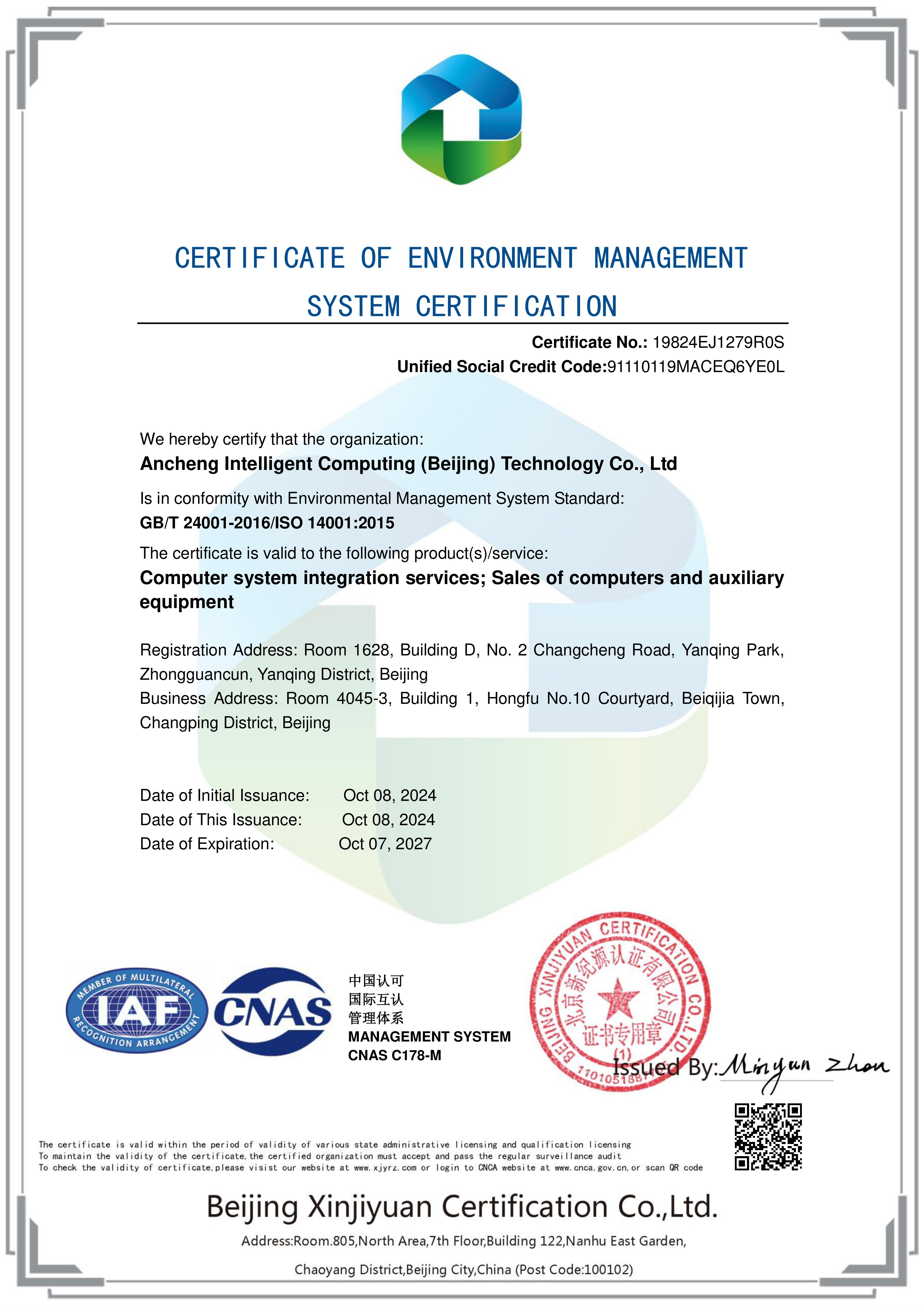
Certificate: 19824EJ1279R0S
Committed to energy-efficient manufacturing cycles, waste reduction protocols, and sustainable sourcing of semiconductor materials.
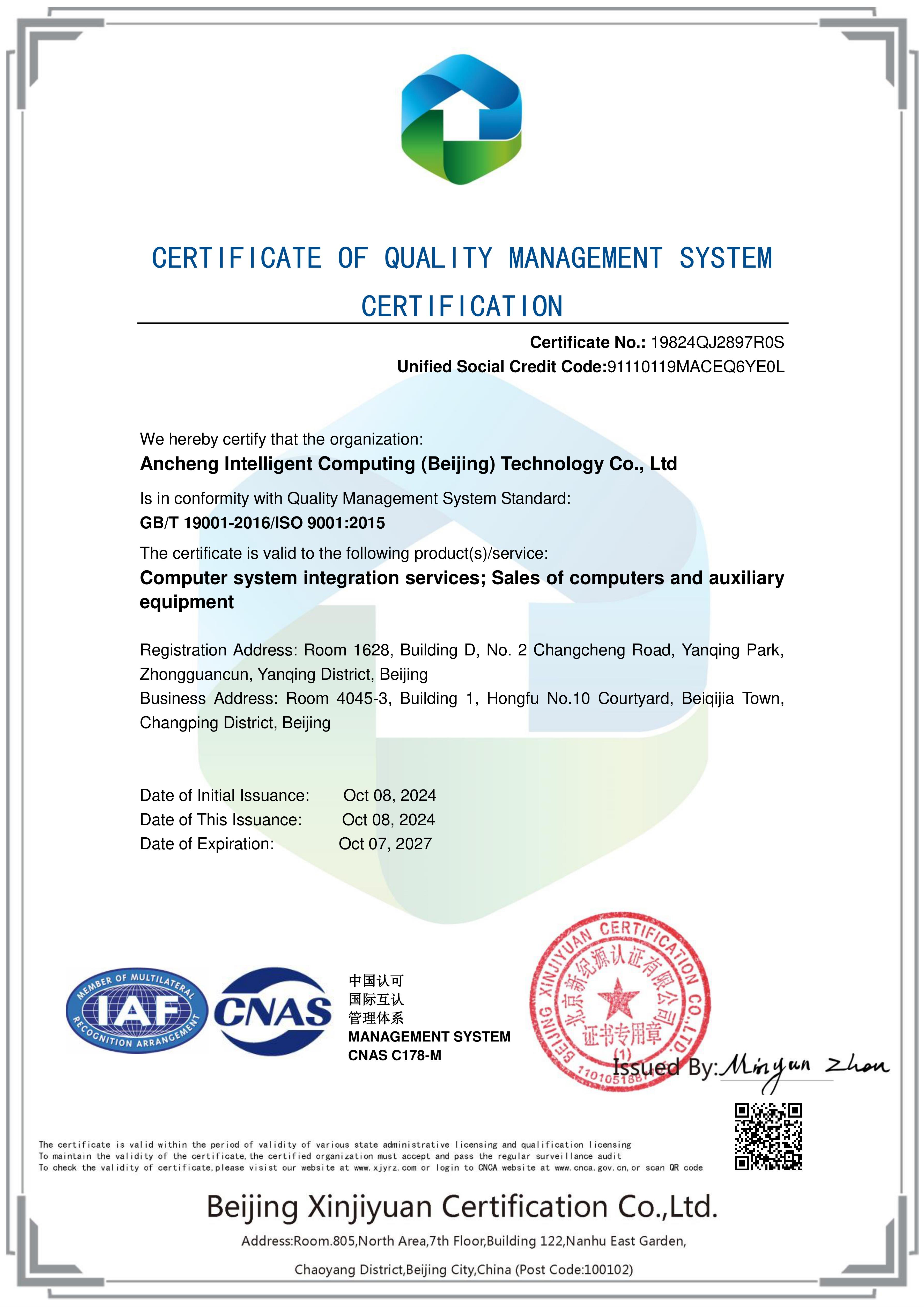
Certificate: 19824QJ2897R0S
Ensures systematic tracking of raw materials, rigorous stress-testing under thermal loads, and component traceability.
Where raw silicon is transformed into customized high-efficiency AI infrastructure.
Deploying on-premise private AI models requires customized physical nodes to ensure data security, lower latency, and zero dependency on public cloud APIs.
The emergence of open-source artificial intelligence architectures, such as DeepSeek, has redefined localized data execution strategies. Organizations running financial forecasting models, health diagnostic scripts, or proprietary software compilers cannot risk sending sensitive transactional records over external connections.
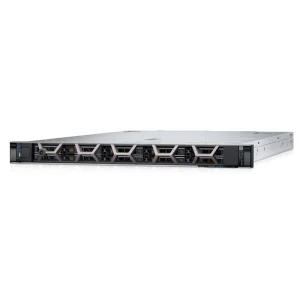
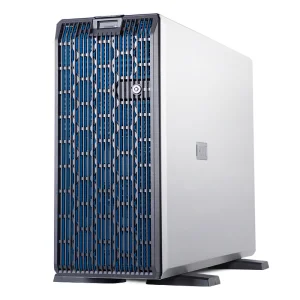
By utilizing customized high-density towers and rack environments (e.g., the PowerEdge T550 with 2400W redundant PSUs and multiple enterprise GPUs), engineers can configure private instances of DeepSeek. This guarantees zero external data leakage, strict latency compliance (sub-millisecond token generation times), and full compliance with internal governance parameters.
In addition to LLMs, modern computer-aided design (CAD), complex structural analysis, rendering pipelines, and telemetry-heavy simulations demand robust hardware configurations. Systems configured with multi-core Intel Xeon processors and high-bandwidth DDR5 memory systems deliver stable parallel rendering pipelines.
Our engineering team designs custom cooling configurations to prevent thermal throttling under continuous utilization. The physical design integrates direct-contact copper heat sinks, isolated cooling zones, and redundant fan arrays that maintain low noise levels even in office settings.
How server hardware architecture is evolving to meet the computational challenges of 2025 and beyond.
Moving from PCIe Gen 4 to Gen 5 doubles the available throughput bandwidth to 32 GT/s per lane. Our technical roadmap incorporates immediate layouts supporting next-generation PCIe Gen 6 topologies, facilitating ultra-fast direct memory access (DMA) between network controllers and GPU pools, reducing system-wide latency during cross-node training phases.
As server component TDP (Thermal Design Power) rises past 350W for CPUs and 700W+ for advanced GPUs, traditional air cooling reaches its thermodynamic limit. We are developing direct-to-chip (D2C) liquid cooling manifolds and closed-loop liquid-to-air cooling options for deployment in conventional data centers that lack complex centralized plumbing.
Embracing Open Compute Project (OCP) standards guarantees interoperability of network interface cards (NICs) and storage modules across heterogeneous server fleets. Our upcoming platforms emphasize tool-less, modular rear-access designs to simplify hardware replacement and minimize system downtime.
Operating from one of the world's most dense electronic and silicon manufacturing corridors, our Chinese assembly facility secures significant component procurement advantages. This concentration of component suppliers mitigates global logistics risks and decreases Bill of Materials (BOM) overhead.
By sourcing chipsets, power components, PCB boards, and customized structural steel directly from adjacent manufacturing ecosystems, we maintain shorter lead times compared to global competitors. Our integration teams customize, test, and ship complete racked arrays efficiently, reducing project timelines.
Shipping enterprise-grade high-power computing infrastructure globally requires careful compliance with international import/export laws, electrical certifications, and environmental directives.
Technical and procurement inquiries addressed by our engineering department.
Running DeepSeek locally on platforms like the PowerEdge T550 eliminates recurring pay-per-token API fees, protects proprietary corporate data, and ensures consistent system latency. On-premise setups also prevent data exposure to third-party endpoints, which is crucial for organizations with strict compliance standards.
In accordance with ISO 9001 compliance standards, we perform a 100% inspection on all customized units prior to shipment. This includes component diagnostics, high-stress thermal chamber testing, and network interface validation conducted by our dedicated QA/QC inspectors.
Modern high-performance accelerators and GPUs require substantial power under peak execution loads. Configuring servers with redundant, high-efficiency power supplies (such as 2400W or dual 800W setups) ensures the hardware operates safely without risk of sudden system shutdown due to power spikes.
Yes. We specialize in tailoring memory density (DDR4/DDR5), storage setups (SATA, SAS, NVMe SSDs), network adapters, and GPU acceleration modules. This optimization ensures that resources are allocated efficiently for specific workloads, such as database management, cloud hosting, or AI model training.
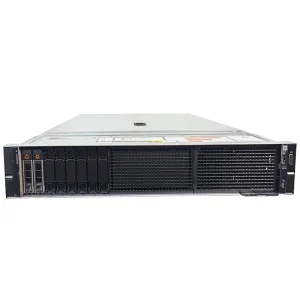
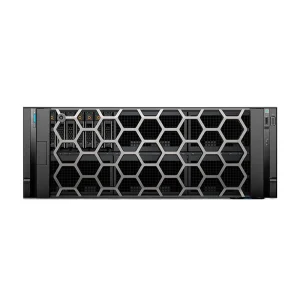
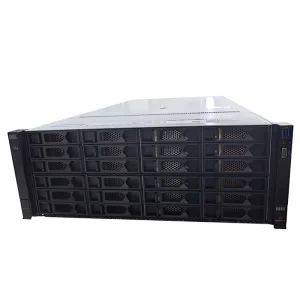
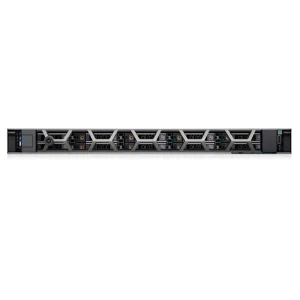
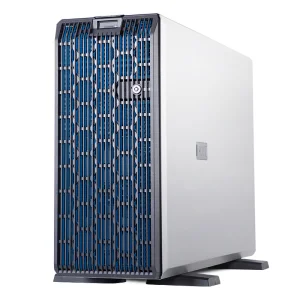
Select from our comprehensive list of tower, rack, and hybrid GPU configurations to build your infrastructure.
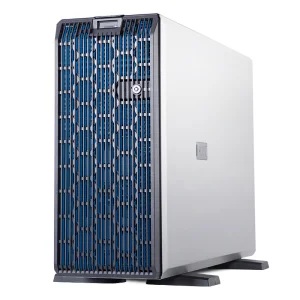
 Aiserver Manufacturer