Enterprise-grade computing hardware designed for maximum throughput, low-latency processing, and massive GPU virtualization workloads.
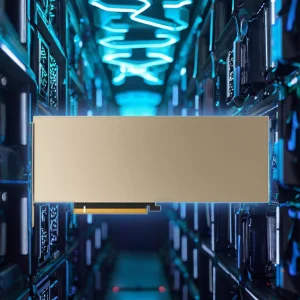
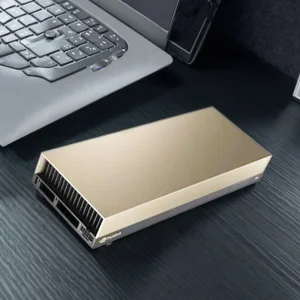
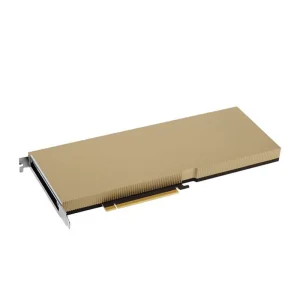
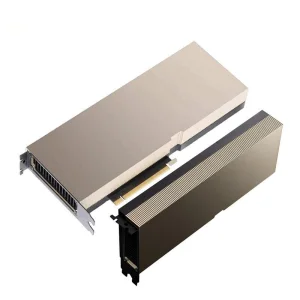
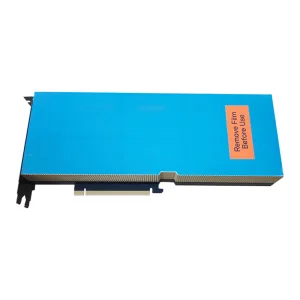
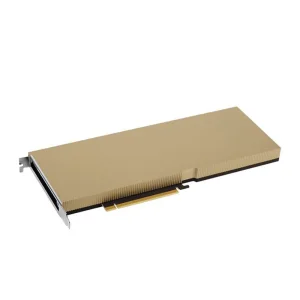
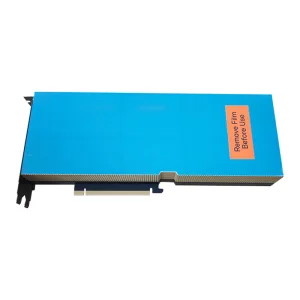
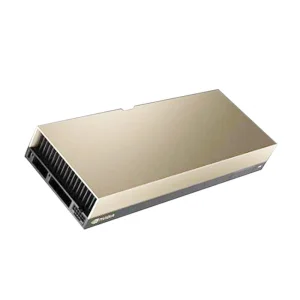
How high-performance graphics hardware is redefining the bounds of industrial AI and automation.
The international computing ecosystem is undergoing a profound structural evolution. Modern graphics processing units (GPUs) and specialized server-grade graphics accelerators have transitioned from being merely rendering components to the vital core of global infrastructure. With the rapid expansion of neural network architectures, such as the widely celebrated DeepSeek framework, large language models (LLMs), and highly distributed cloud compute arrays, the demand for enterprise graphics cards has reached unprecedented heights.
Today, hardware scalability determines a corporation’s capacity to innovate. Whether a company is deploying complex virtualization nodes, executing highly parallelized tensor computations, or orchestrating local workstation render farms, selecting the appropriate architecture determines operational efficiency. As a dedicated exporter and system integrator, we stand at the threshold of this technological transition. We supply key enterprise architectures, including the highly efficient Tesla Ada Lovelace generation (L4, L20, L40, L40S) and the deeply reliable workstation accelerators, ensuring enterprises bypass standard bottlenecks to achieve maximum throughput.
Optimized for FP8 and FP16 tensor core math formats, ensuring your machine learning pipelines scale without hitting thermal throttling barriers.
Serving critical industries in Eastern Europe, the Middle East, Africa, and beyond, with strict compliance to global technology shipment protocols.
Every system unit undergoes intensive physical stress testing, voltage stability validation, and software workload compatibility testing.
Leveraging domestic industry networks to provide unbeatable quality control and product availability.
Navigating the complex GPU procurement landscape requires more than just securing chips; it requires access to a robust industrial supply chain. Our manufacturing and integration facility harnesses regional electronic clusters. This localized synergy allows us to obtain premium components, from robust multilayer PCBs to advanced thermal cooling solutions, at accelerated speeds. While overseas competitors struggle with shipping lags, our system integration lines maintain a steady output flow.
Furthermore, our operational model relies on structured quality verification. Unlike simple trade intermediaries, our in-house engineers subject every single batch to comprehensive burn-in testing. Utilizing software benchmarks that simulate heavy industrial workloads, we verify memory bus performance, trace signal integrity along PCIe lanes, and test power regulation systems under high thermal demands. This thorough testing prevents system failures upon customer delivery, giving buyers absolute reliability.
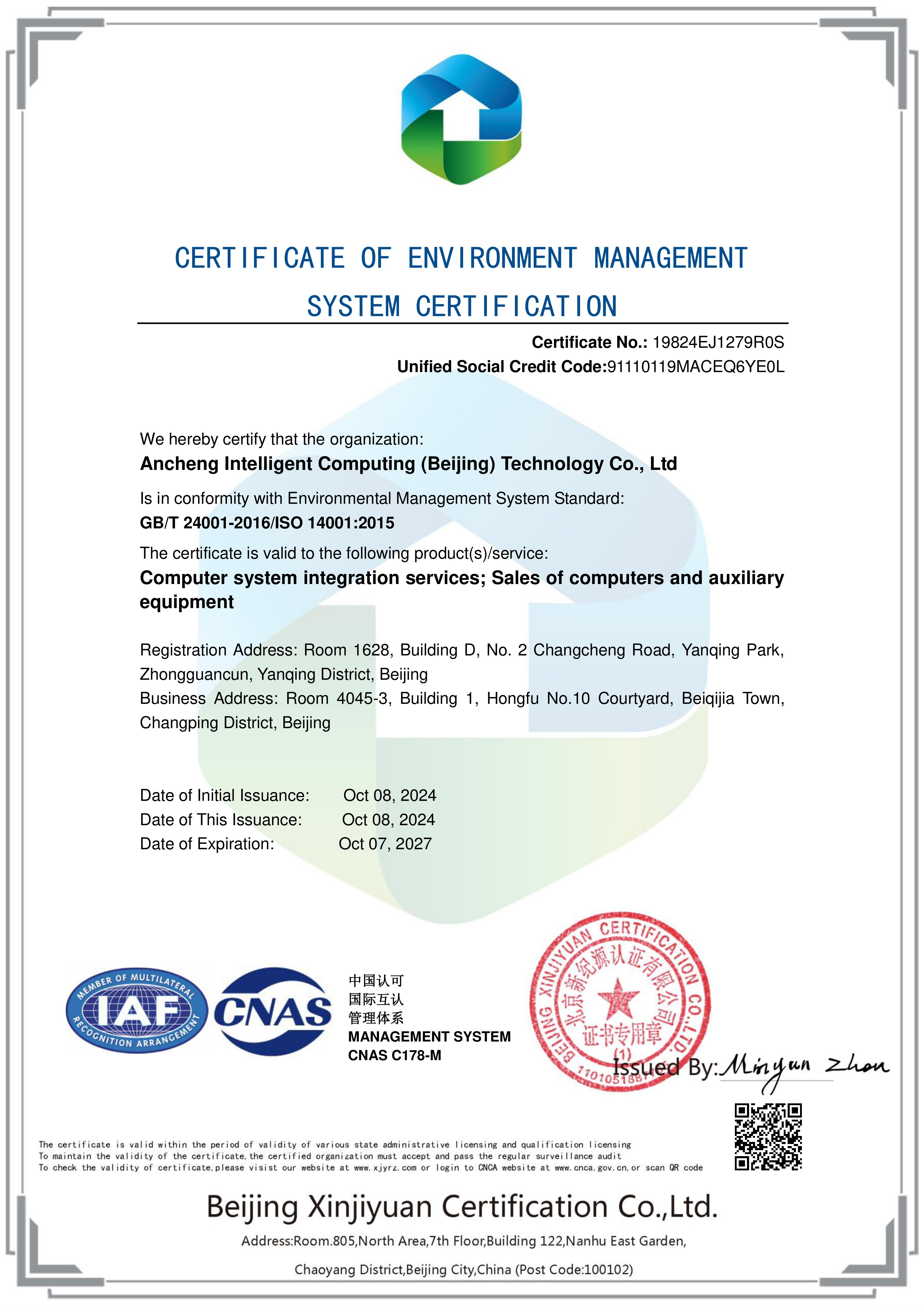
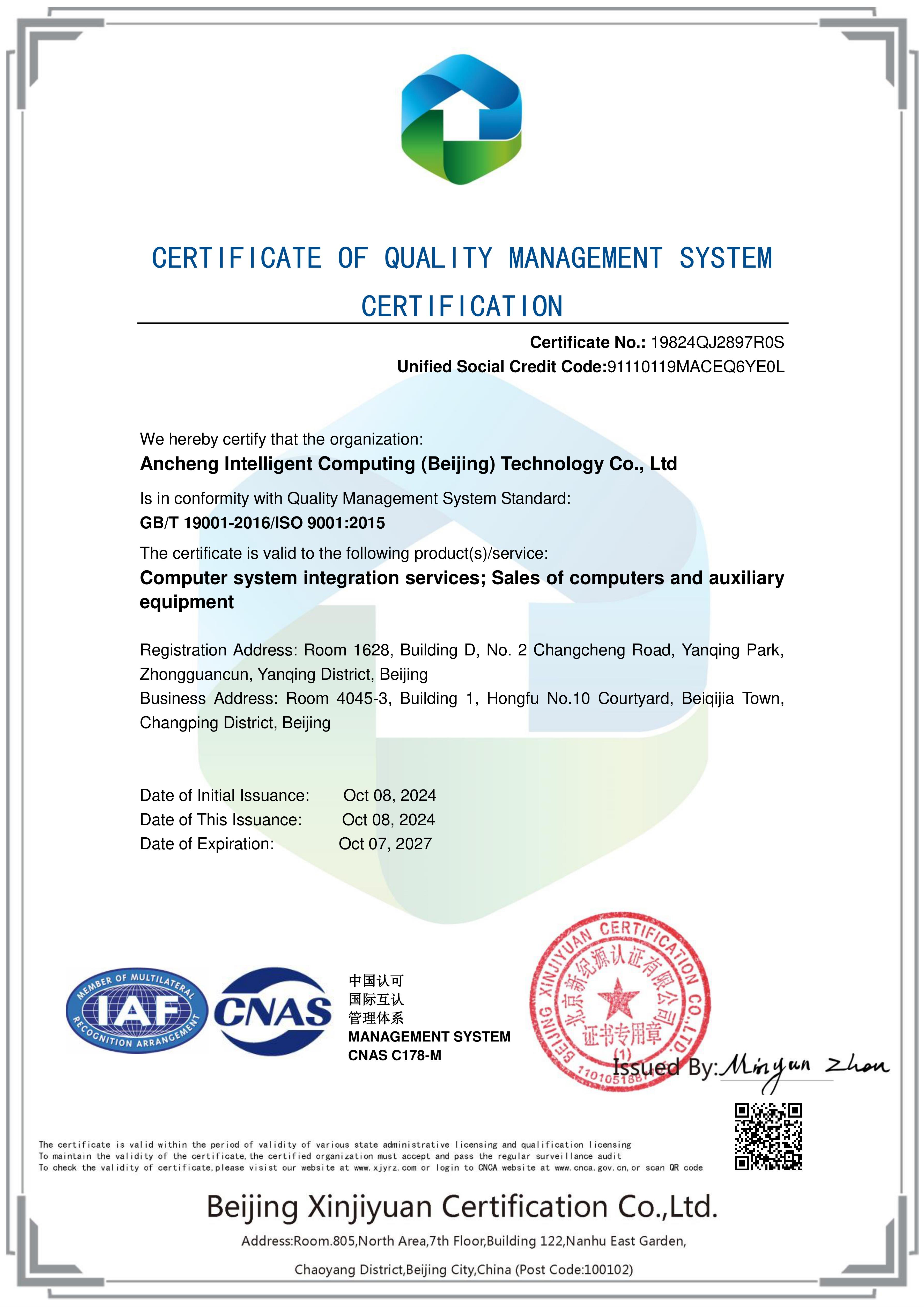
Transparent operating details validating our production capability and industry standards.
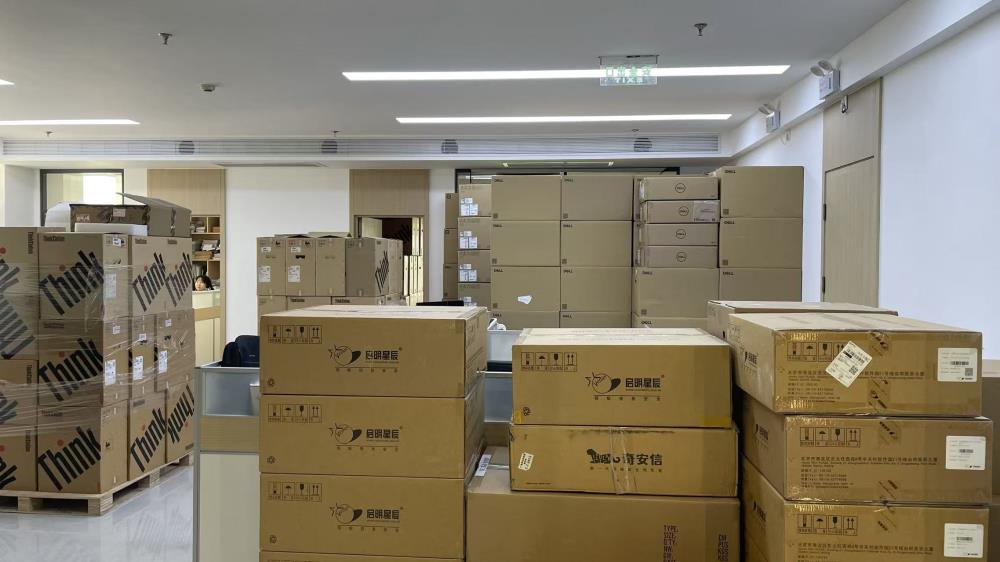
| Registration Date | 2023-04-10 |
| Operational Floor Space | 200 ㎡ |
| Exporting Experience | 3 Years Active |
| Target Markets | Eastern Europe (30%), Mid East (30%), Africa (20%), and others |
| Client Portfolios | Brand Businesses, Engineers, Wholesalers, System Integrators |
| Engineering Team | Graduate R&D engineers focused on server customization |
| QC Methodology | Complete inspection of all products with raw material traceability |
Aligning advanced hardware with real-world infrastructure challenges.
Deploying high-performance GPU systems demands a thorough understanding of their intended environments. Different workflows place unique demands on hardware, making a one-size-fits-all approach impractical. Here are the core scenarios where our graphics hardware plays a critical role:
Training large models requires massive memory pools and fast inter-GPU communication. Using platforms like Tesla L40S (48GB) or H800 (80GB HBM2e) allows institutions to fine-tune open-source models, run parameter optimizations, and deploy deep learning neural networks efficiently.
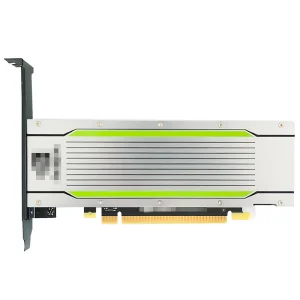
For edge inference deployments, power efficiency and spatial limits are key. Cards like the Tesla L4 (24GB) and Tesla T4 (16GB) pack compute capabilities into small, single-slot designs. This makes them ideal for smart-city camera analytics, local automation nodes, and small-office AI setups.
Enterprises migrating to hybrid work require robust virtual workstations. High-density cards, such as the Tesla A16 (64GB GDDR6), are purpose-built to partition GPU resources. This allows system administrators to host dozens of remote users on a single server blade while maintaining smooth performance.
Automotive design, architectural planning, and media production demand high precision. The RTX 5880 Ada (48GB) and RTX A5000 (24GB) support real-time ray tracing, complex CAD modeling, and Omniverse integration, ensuring zero rendering bottlenecks.
Optimizing server setups for DeepSeek AI deployments requires high memory bandwidth. Our high-performance configurations combine multi-GPU configurations with balanced PCIe lanes, preventing data bottlenecks and maximizing token-generation speeds.
Modern architectures combine local preprocessing with central cloud training. We supply custom PCIe workstation and server systems that link local sensor data to backend neural networks, creating unified hybrid cloud platforms.
A look at upcoming changes in high-performance computing hardware.
The compute market moves quickly. Looking forward, several key technological shifts will shape how enterprises build their infrastructure:
As AI model sizes grow, standard memory buses can become data bottlenecks. HBM technologies stack memory dies vertically directly next to the GPU core. This approach allows components like the Tesla H800 (80GB HBM2e) to achieve Terabytes-per-second of bandwidth, which is essential for processing massive datasets without delays.
As CPU-to-GPU and GPU-to-GPU data traffic increases, older interface standards can limit performance. Transitioning to PCIe Gen 5.0 doubles data speeds, while NVLink bridges allow multiple cards to pool their memory. This creates a unified compute resource, enabling faster model training times and lower latency.
Higher processing power generates more heat. Today's high-performance server GPUs often draw between 300W and 700W each. Managing this requires advanced cooling designs, such as high-airflow blower fans and direct liquid cooling systems. Optimizing thermal setups helps prevent performance throttling and prolongs hardware lifespan.
Streamlining hardware sourcing, import compliance, and delivery timelines.
Securing advanced hardware requires a reliable logistics partner. Enterprise IT managers, research leads, and system integrators need predictable lead times, verified product quality, and reliable shipping setups. Here is how we ensure smooth global delivery:
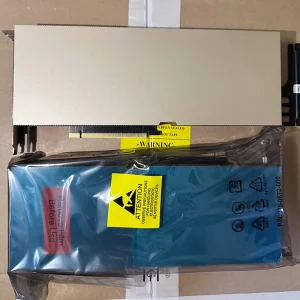
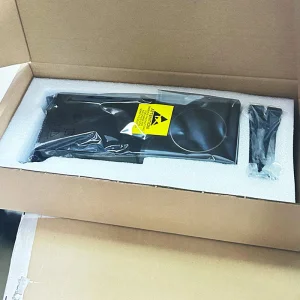
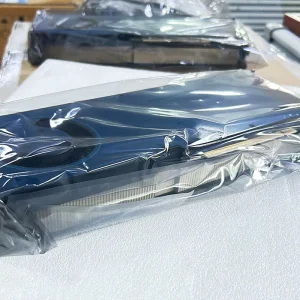
GPUs are sensitive to electrostatic discharge (ESD) and physical shocks during transit. Every card we ship is sealed in premium anti-static packaging and secured in customized, high-density foam chambers. This protection safeguards the delicate SMD components and PCIe connectors during transit.
Shipping high-performance computing hardware across borders requires strict documentation. We manage export clearances, prepare detailed customs invoices, and ensure compliance with target country regulations. This attention to detail prevents delays at international transit hubs.
Expert insights to help clarify system integration and technical specifications.
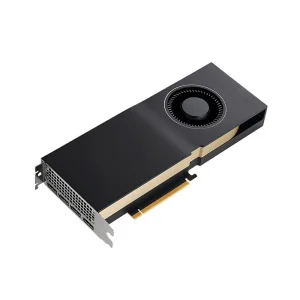
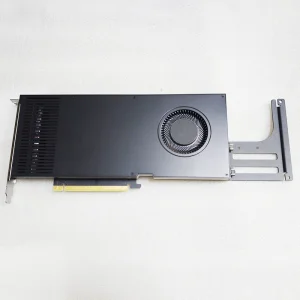
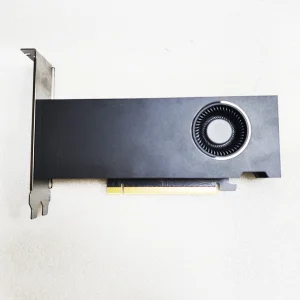
High-reliability compute cards optimized for workstation rendering, virtual desktops, and local model inference.
 Aiserver Manufacturer