Deploy industry-grade servers engineered for dense parallel processing, deep learning pipelines, and secure cloud database topologies.
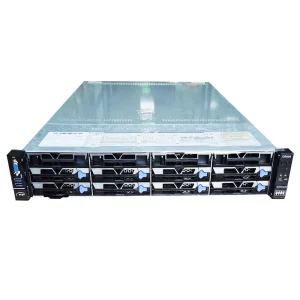
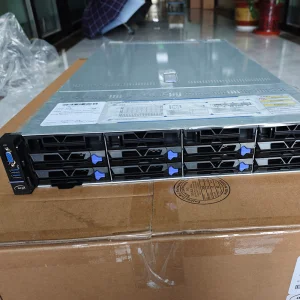
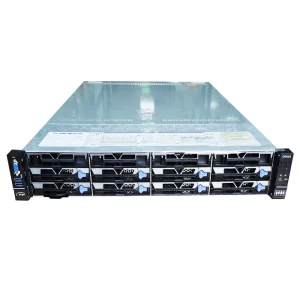
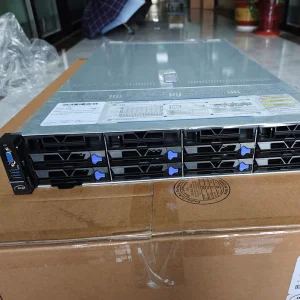
As hyper-scale applications transition from basic relational operations to massive distributed multi-modal AI workloads, the hardware backbone must adapt dynamically. High-efficiency servers bridge the gap between heavy infrastructure investments and predictable execution metrics.
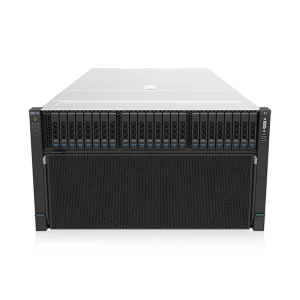
Modern workloads demand massive parallel processing architectures. By integrating platforms like the NF5688-M7 with specialized GPU modules (such as the H20*8 141G), system developers mitigate cross-node communication overhead. Advanced point-to-point interconnect structures (such as high-speed NVLink configurations) enable high-speed parameter distribution in Large Language Model (LLM) fine-tuning processes.
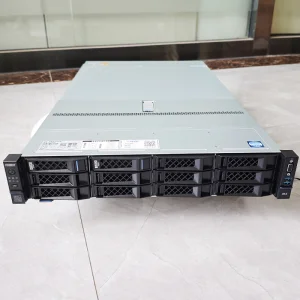
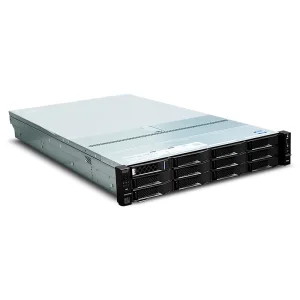
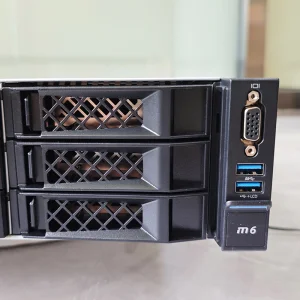
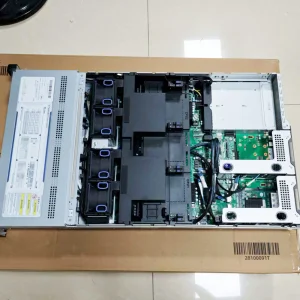
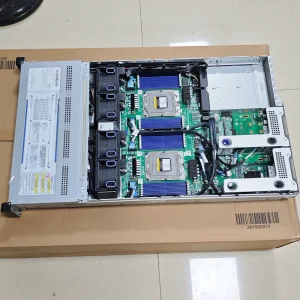
Deploying powerful compute setups requires strict cooling management. Transitioning from traditional 2U platforms (like the NF5280M6) to specialized high-density accelerators requires optimized air circulation pathways or liquid-to-air heat exchanges. Optimized systems ensure continuous performance under heavy workloads without thermal throttling, maintaining long-term hardware reliability.
Today's datacenters run hybrid operations. Enterprise platforms powered by both Intel Xeon and AMD EPYC architectures support virtualization, container clusters (Kubernetes), and legacy database environments. Robust hardware configurations ensure smooth operation across different software and cloud layers.
Operating across various regions requires strict compliance with international manufacturing and environmental standards. We balance logistical agility with rigorous quality assurance protocols to deliver high-quality computing hardware globally.
Every server shipment undergoes thorough pre-delivery testing. From raw material traceability to complete burning tests under loaded conditions, our quality control inspectors verify that component configurations match technical specifications. This minimizing arrival failures and ensures stable system operation.
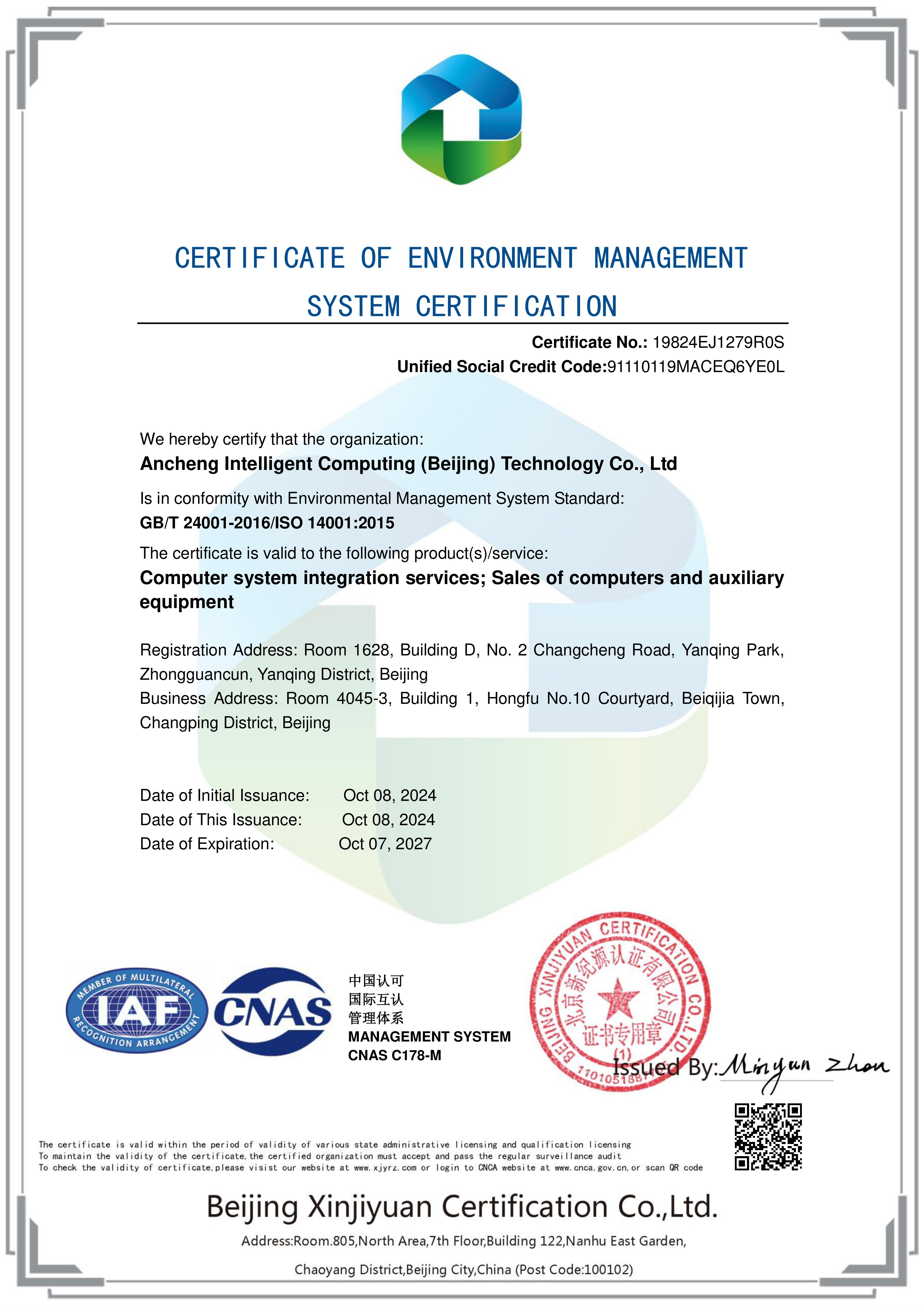


Navigating varying regional standards is critical for international deployments. By aligning with local technical requirements and security regulations, we help clients streamline their import and deployment processes. Our supply chain partners facilitate efficient customs clearance and delivery across the Middle East, Eastern Europe, and Africa.
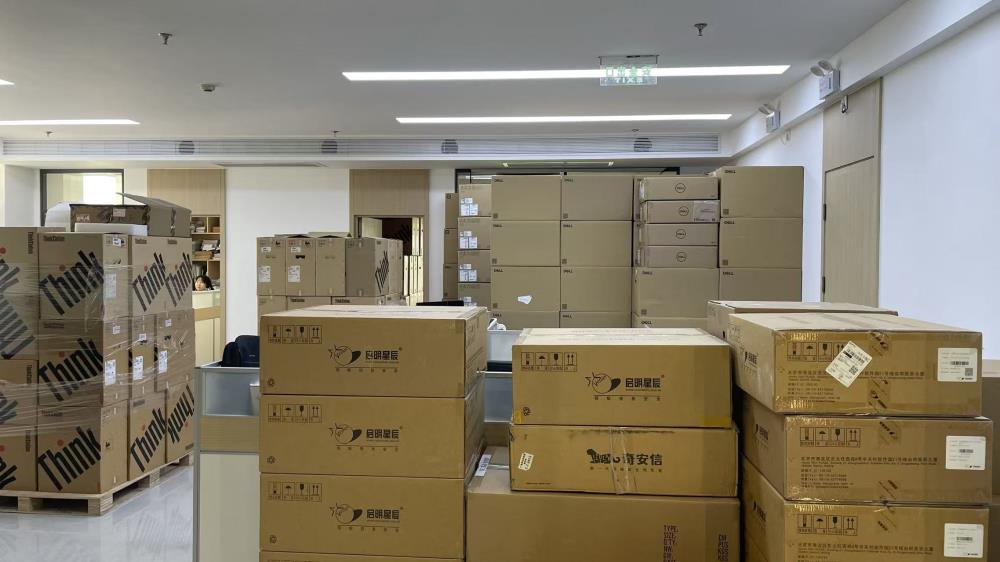
Selecting the appropriate architecture directly impacts processing efficiency, memory bandwidth, and total cost of ownership (TCO) for different computational workloads.
| Architecture Platform | Memory Support & Channels | PCIe Lanes & Interface | Ideal Application Use-Case | Energy Efficiency Profile |
|---|---|---|---|---|
| Intel Xeon Scalable (e.g., 8558P / Silver 4310) | DDR5 up to 4800/5600 MT/s, 8-Channel configurations | PCIe Gen 5.0, high lane count for modular extension | Deep learning inference, legacy enterprise databases, virtualization layers | Balanced dynamic scaling per workload demand |
| AMD EPYC (Genoa / Turin series) | DDR5 up to 6000+ MT/s, 12-Channel architecture | PCIe Gen 5.0 / CXL interface support | High-density cloud deployments, high-performance computing (HPC) setups | High core-to-power efficiency ratio for dense configurations |
Reliability is built on transparency. Our manufacturing structure and quality control standards align with international trading requirements.
| Profile Specification | Operational Status & Verified Value |
|---|---|
| Registration & Experience | Established on 2023-04-10, with 3 years of sector and export expertise |
| Facility Footprint | 200 Square Meters focused on testing, configuration, and quality assurance |
| Quality Control Protocol | Complete unit testing of every product prior to dispatch, managed by dedicated QA/QC staff |
| Supply Chain Network | 10 core tier-one component partners ensuring reliable hardware sourcing |
| Primary Target Audiences | System integrators, corporate clients, network engineers, wholesalers, and hardware manufacturers |
Datacenter architectures are shifting toward denser rack configurations. Our roadmap focuses on sustainable, high-efficiency, and high-performance computing designs.
To support high-power CPUs and next-generation GPU modules, future server builds will increasingly utilize liquid cooling loops. This design helps datacenters lower their Power Usage Effectiveness (PUE) ratios, reduce fan noise, and improve computing stability.
Upcoming platforms will adopt PCIe Gen 6.0 and the Compute Express Link (CXL) standard. These technologies improve memory sharing and resource pooling, reducing data bottlenecks between processors and high-speed storage drives.
AI datasets require fast, scalable storage. Combining high-density storage drives with high-speed interface options ensures that data flows efficiently to computing units, preventing idle processing cycles during complex modeling tasks.
Get answers to common technical, compliance, and logistics questions regarding our server deployments.
Explore our range of scalable storage servers and high-density computing platforms, engineered for demanding enterprise environments.
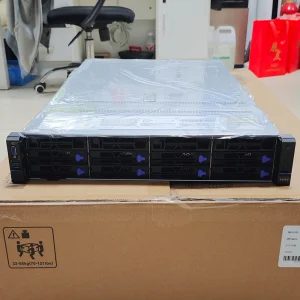
 Aiserver Manufacturer