As global data architectures undergo rapid paradigm shifts driven by generative AI, large language models (LLMs), and complex industrial simulations, the demand for diversified, resilient hardware has never been more urgent. Modern semiconductor supply chains require highly capable, independent fabrication and distribution pipelines. Our role as a premier domestic graphics factory and global exporter stands at the intersection of this infrastructure evolution.
Leveraging advanced 7nm FinFET fabrication nodes, high-bandwidth memory (HBM2e), and unified computing architectures to execute petabytes of deep learning workloads with optimal thermal efficiency.
Integrated VRAM options scaling up to 96GB capacity with ultra-high bandwidth, bypassing traditional memory bottlenecks during massive scale multi-parameter training runs.
Extensive support for standard software frameworks including PyTorch, TensorFlow, PaddlePaddle, and custom translation layers that minimize CUDA migration friction.
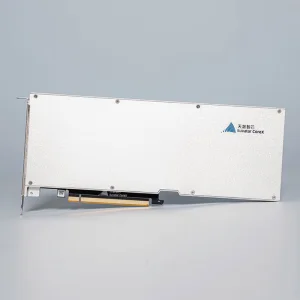
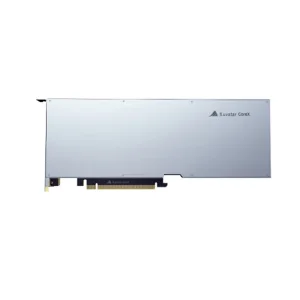
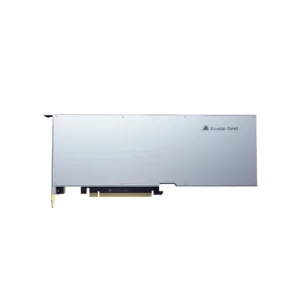
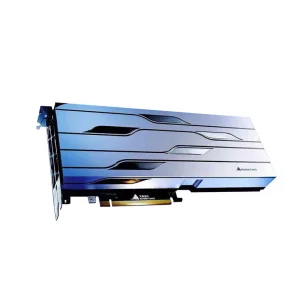
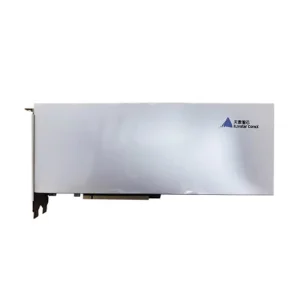
Our comprehensive selection of processing cards offers alternative high-performance options to traditional enterprise models. For example, the Tianshu Zhixin Zhikai V100 32GB delivers computational capabilities comparable to standard workstation and server hardware such as the RTX 4090 or legacy V100 architectures. Similarly, the energy-efficient Tianshu Zhixin Zhikai V50 16GB offers a compelling, cool-running substitute for mainstream T4 inference accelerators, which makes it ideal for edge deployments and low-latency API hosting.
Enterprise deployment of accelerator cards requires more than raw hardware; it demands dedicated optimization for modern hybrid and cloud computing infrastructures. Our range of domestic graphics solutions plays a vital role across key industrial domains:
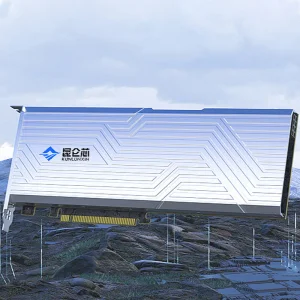
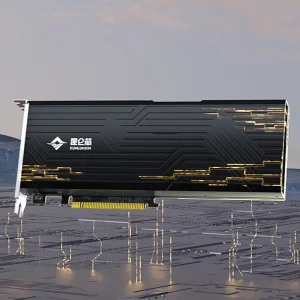
High-capacity cards, such as the Kunlun Chip P800 96GB or Muxixi Si N260 64GB, feature high-bandwidth memories (HBM2e) that directly store large parameter weights, accelerating Token generation rate while cutting latency.
Running dozens of parallel video streams through target detection models requires hardware optimized for high INT8/INT16 throughput. The Tianshu V50 and Muxi N100 series excel in real-time edge processing hubs.
From molecular dynamics simulations to meteorology models, architectures like the Tianshu TianGai 150/150S deliver high FP32 precision computing to shorten research cycles in academic and commercial institutions.
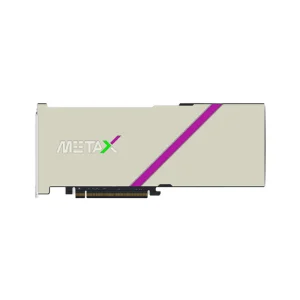
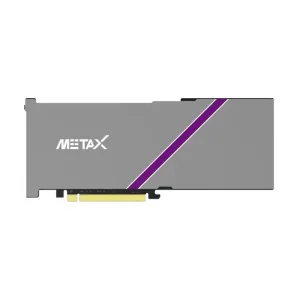
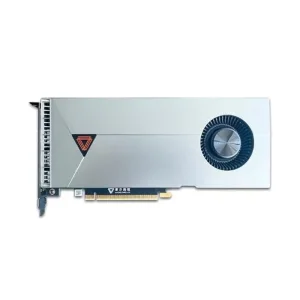
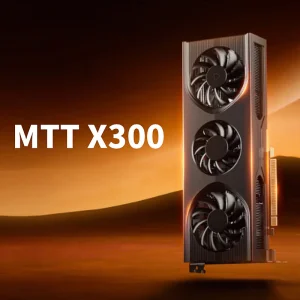
Our portfolio integrates chips from various architectural backgrounds to suit diverse workloads. Muxixi's proprietary designs leverage high compute-density engines optimized for workstation applications, featuring robust PCIe Gen4 x16 connectivity and active fan cooling to ensure sustained performance under fluctuating thermal conditions. Kunlun Chip accelerators (including the GR800 and R200 series) focus on high-throughput AI inference and hardware virtualization, supporting modern cloud hypervisors and containerized workloads. Meanwhile, Moore Threads brings general-purpose graphics and compute power through their unified MUSA architecture, enabling native compatibility with standard graphics rendering APIs, making them well-suited for AI compute and 3D application virtualization.
Operating at the forefront of the hardware export sector, we back our processing power with rigorous quality control, regulatory certifications, and reliable international logistics pipelines. This ensures that every shipped device arrives in production-ready condition.
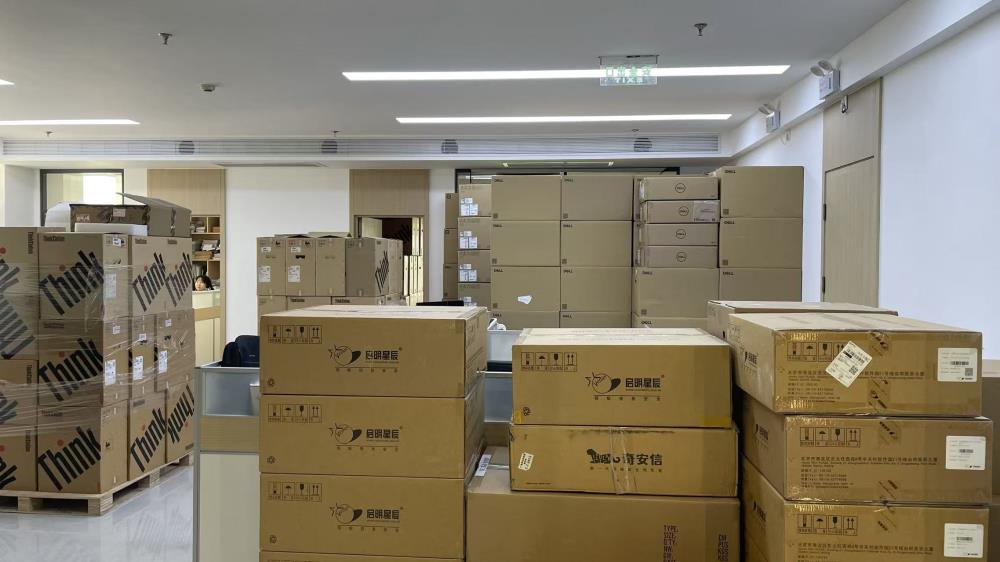
Established as a specialized supplier, we maintain a 200-square-meter facility dedicated to product testing, verification, packaging, and custom configuration. Quality assurance forms the backbone of our operations; we run complete, end-to-end burn-in and benchmark tests on every GPU before dispatch. This 100% inspection protocol minimizes dead-on-arrival (DOA) risks and ensures stable operation in enterprise data centers.
Our operational framework strictly adheres to international quality management and environmental protection directives. We maintain verified system certifications that demonstrate our commitment to reliable manufacturing practices:
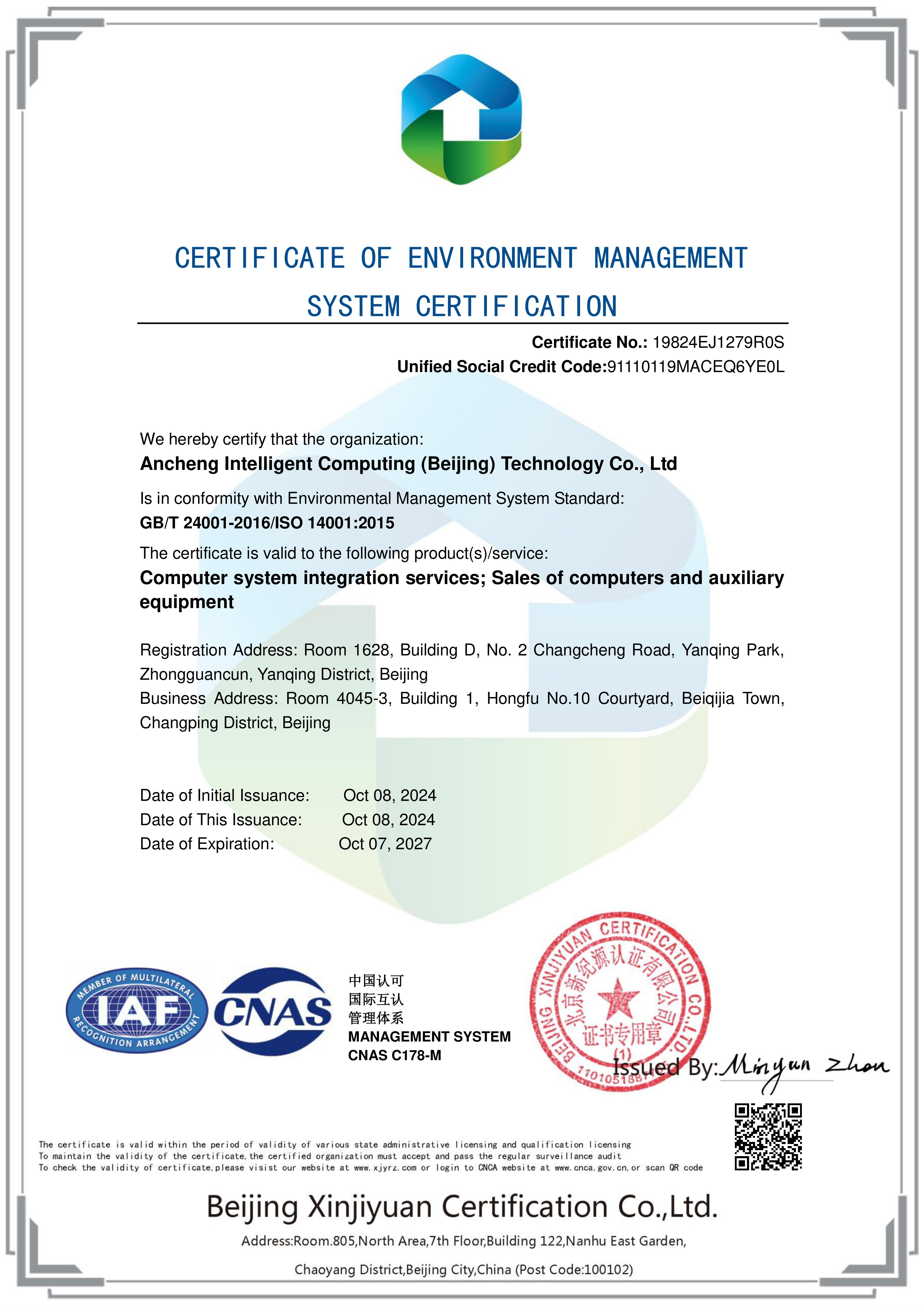
 ISO14001
19824EJ1279R0S
ISO14001
19824EJ1279R0S
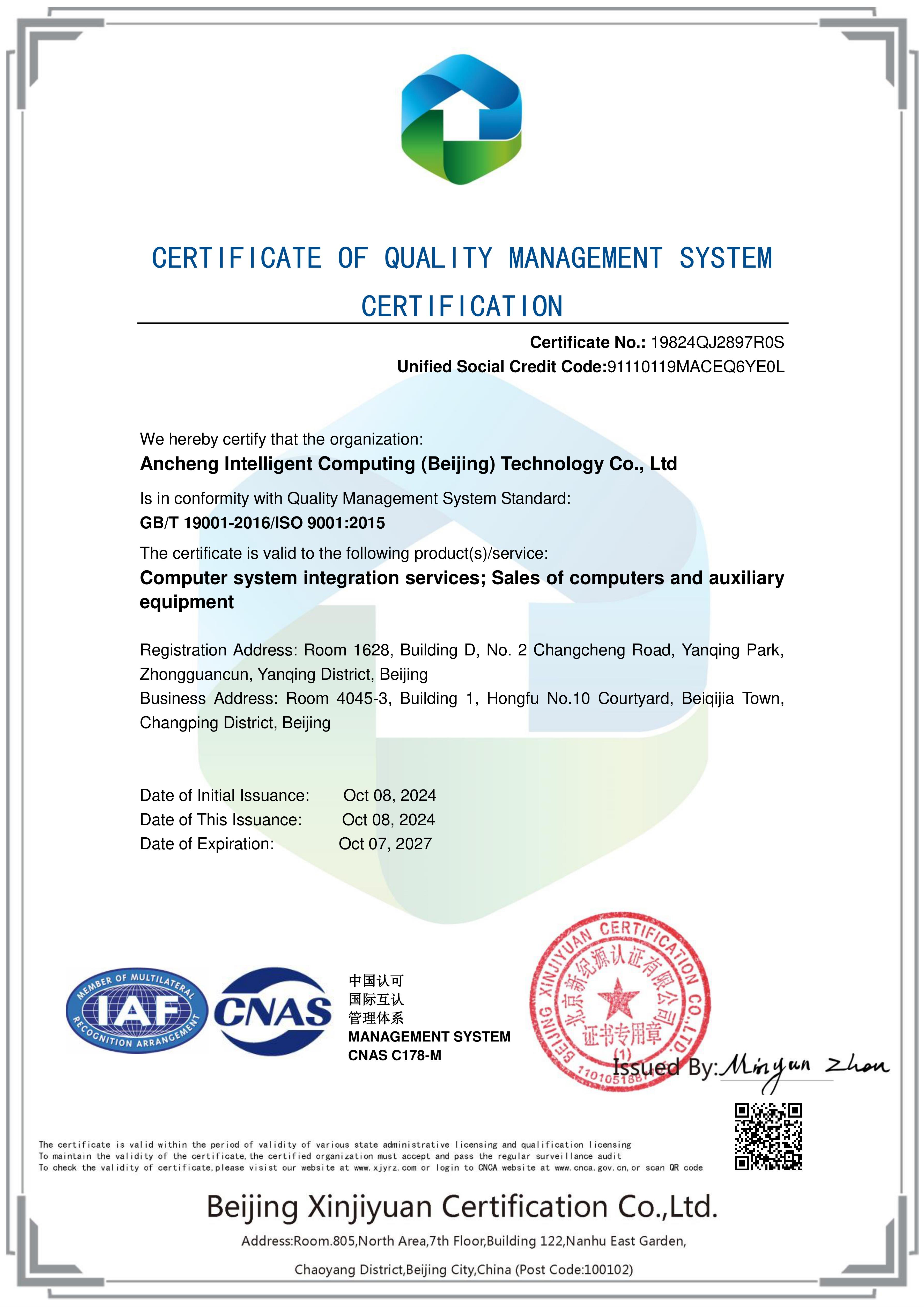
 ISO 9001
19824QJ2897R0S
ISO 9001
19824QJ2897R0S
These standardizations confirm that our warehouse logistics, hardware testing, environmental compliance, and delivery protocols meet international standards.
Deploying alternative graphics architectures requires strong software support to ensure long-term stability and ease of integration. Hardware performance is only as good as the software ecosystem that drives it.
Modern software runtimes run intermediate binary translation frameworks that map standard CUDA instruction sets directly onto domestic ISA cores, avoiding the need to rewrite deep learning application layers.
Hardware-assisted SR-IOV (Single Root I/O Virtualization) lets cloud administrators partition a single GPU (such as the 64GB or 96GB models) into multiple isolated instances, maximizing resource utilization in tenant architectures.
Preconfigured Docker images and Kubernetes device plug-ins simplify orchestrating clusters built on heterogeneous processors, ensuring fast and repeatable deployments.
For high-density GPU deployments, balancing performance, acquisition cost, and power usage is critical. Traditional tier-1 server accelerators often command a high premium. By using processors from established manufacturers like Kunlun, Moore Threads, and Tianshu, enterprise buyers can scale out clusters at lower capital expenditure. This makes high-performance AI compute nodes more accessible to research institutions and mid-sized enterprises across the globe.
Below are technical answers to common integration questions raised by system engineers and procurement officers:
Yes. All featured GPU acceleration cards—including the Tianshu Zhixin, Muxixi, and Kunlun ranges—use standard PCIe Gen4 x16 interfaces. They plug directly into standard enterprise server motherboards powered by Intel Xeon, AMD EPYC, or ARM-based Neoverse processors. We recommend checking server chassis dimensions and power delivery connections before installation.
Each manufacturer provides software toolkits and translation runtimes designed to convert CUDA calls into native instructions. For example, Moore Threads uses their MUSA framework, while Tianshu Zhixin provides an open runtime platform. Most deep learning code using standard PyTorch or TensorFlow APIs can be compiled for these cards with minimal changes.
HBM2e (High Bandwidth Memory) stacks memory dies vertically alongside the GPU core. This design achieves wider bus widths (up to 4096-bit) and bandwidths over 1 TB/s, which is ideal for large models. GDDR6 uses traditional planar layouts; while it features lower bus widths, it offers a cost-effective, high-frequency solution for entry-level and mid-range workloads.
The drivers support enterprise Linux distributions including Ubuntu LTS, Red Hat Enterprise Linux (RHEL), CentOS, and Rocky Linux, as well as localized systems like Kylin OS and EulerOS. Selected models from Muxixi and Moore Threads also include Windows 10/11 drivers for deployment in desktop workstations.
Our ISO9001-certified workflow includes testing every processor under heavy synthetic workloads (like FurMark and custom deep learning scripts) for at least 24 hours. We verify operating temperatures, power consumption, memory stability, and output integrity to ensure each card meets server-grade standards.
Backed by our engineering team, we assist client developers with driver customization, custom cooling solutions, and BIOS modifications for specialized server setups. We also coordinate with vendor software teams to help resolve driver issues for large deployments.
 Aiserver Manufacturer