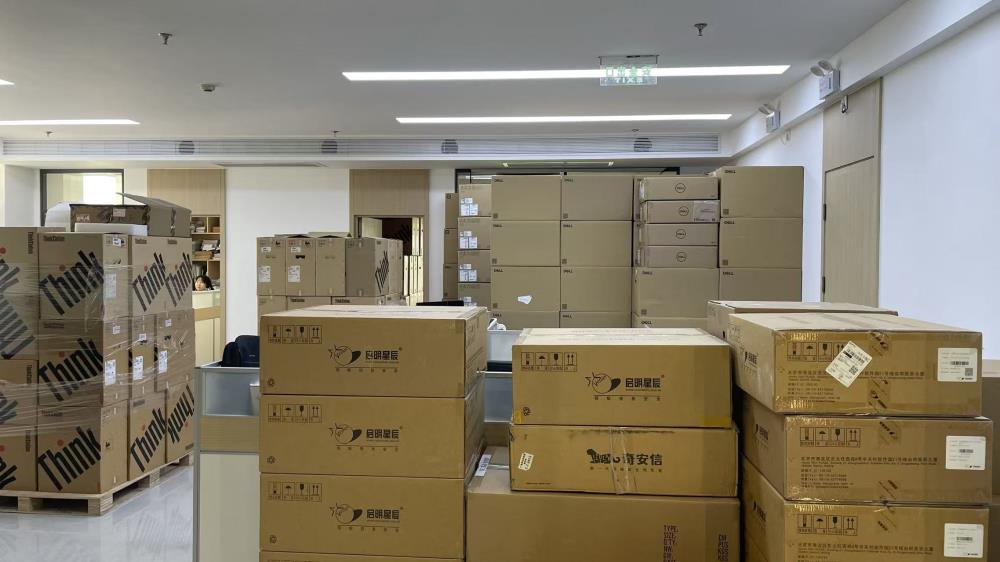
As an industry-focused enterprise storage manufacturer and technology facilitator, we align state-of-the-art production systems with strict global quality metrics. Established in 2023, our engineering capabilities support system integrators, data center operators, and global IT wholesalers by delivering high-throughput storage devices designed to withstand enterprise-level write endurance requirements.
2023-04-10
200 ㎡ Manufacturing Facility
100% Inspection of All Products
Eastern Europe, Mid East, Africa


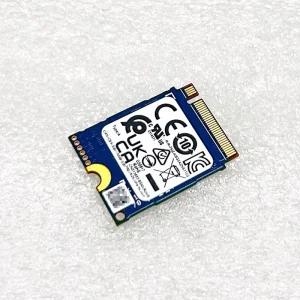
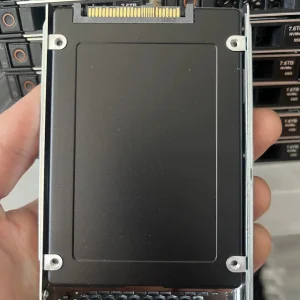
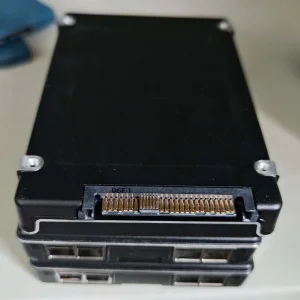
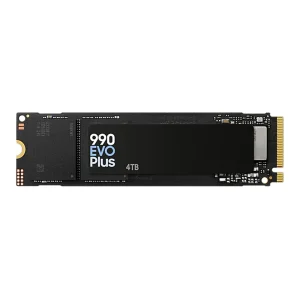
Explore high-speed enterprise NVMe, SAS storage devices, and client solid-state drives engineered for peak reliability and low latency.
An in-depth analysis of supply chains, macro-economic factors, and the shift from mechanical components to high-density silicon architectures.
The global hard disk drive (HDD) and solid-state drive (SSD) production ecosystems have shifted rapidly toward multi-hub operations. While mechanical HDD assemblies remain concentrated within localized regions due to mechanical component constraints, enterprise SSD fabrication is scaling up across global high-technology sectors. This decentralized architecture minimizes supply bottlenecks for critical controllers and raw flash wafers.
Traditional rotating hard disk manufacturers are facing shifting workloads, driven by large language models (LLMs) and real-time processing systems. Standard platter storage remains highly efficient for archival storage classes, but high-density solid-state storage (specifically NVMe PCIe Gen4/Gen5) has become the operational standard for primary system tiers in public and private clouds.
Enterprise storage component integration facilities are growing rapidly within EMEA markets. Our distribution focus targets Eastern Europe, the Middle East, and Africa, where localized data localization compliance regulations require building scalable regional infrastructure that combines robust components with reliable localized supply chains.
Inside the operational workflows that define zero-defect hardware engineering and modern environmental standard compliance.
Unlike standard consumer electronics lines, enterprise hard disk and SSD manufacturing requires exhaustive functional stress testing. Our factory follows an end-to-end quality framework that monitors every production stage, from basic components to final drive packages.
Our certification pathways ensure complete transparency, offering engineers and wholesale buyers peace of mind regarding structural reliability and ecological accountability.
Insight into the physical limitations of current silicon storage technologies and the breakthroughs shaping next-generation server architectures.
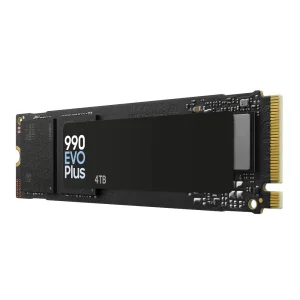
With standard M.2 NVMe drives achieving read speeds exceeding 7,000 MB/s, Gen 5 controllers double throughput to address critical performance requirements. Factory implementations prioritize managing heat generated by active controllers under sustained read/write cycles, utilizing advanced heat sinks and integrated thermal throttling algorithms.
Moving past 200+ layer architectures allows factories to package 7.68TB and larger storage capacities into single U.2 or U.3 enterprise formats. Transitioning from TLC to high-density QLC memory requires advanced error correction code (ECC) engines within controllers to protect data integrity over long-term deployments.
While SATA storage interfaces remain standard for entry-level workloads and legacy systems, enterprise installations are standardizing on PCIe NVMe and SAS-4 (24G SAS). This transition supports the high IOPS and low-latency storage demands required for real-time AI modeling and edge processing nodes.
Aligning specific hardware specifications with real-world infrastructure and compute workloads.
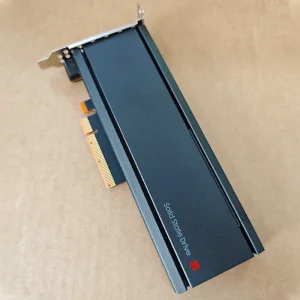
Deep learning pipelines require high-throughput read capabilities to feed GPU memory arrays. Our enterprise NVMe drives (such as the PM1735 and Gen4 series) offer consistent write performance and low latency, avoiding bottlenecking compute nodes during multi-node model training.
Modern virtualization environments depend on software-defined storage architectures where hardware reliability is critical. Mixing high-capacity NVMe drives for cache layers with SAS SSDs for storage capacity creates optimized setups for enterprise VM systems, like VMware vSAN and VxRail installations.
Telecom switches and localized edge computing nodes require rugged, temperature-tolerant storage equipment. Our M.2 SSDs and 2.5-inch drives are built to withstand varying operating environments, ensuring reliability in regions with challenging thermal conditions.
We collaborate directly with system integrators, data center operators, and hardware distributors. Our technical team works to match flash density, write endurance profiles, and firmware configurations to the specific requirements of your hardware environment.
Addressing common queries from technical purchasing managers and system engineers regarding hard disk manufacturing and integration.
Explore rack servers, server GPU systems, and optimized hardware components built to support complex data center setups.
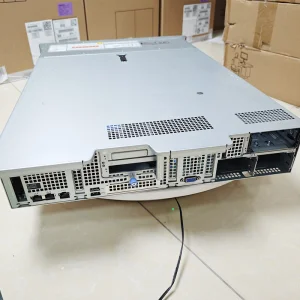
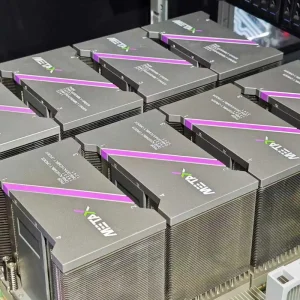
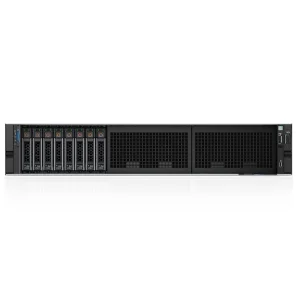
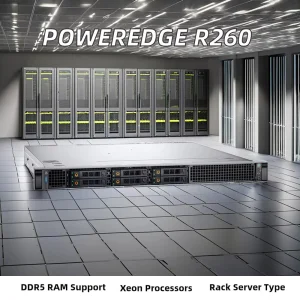
 Aiserver Manufacturer