Aiserver Manufacturer
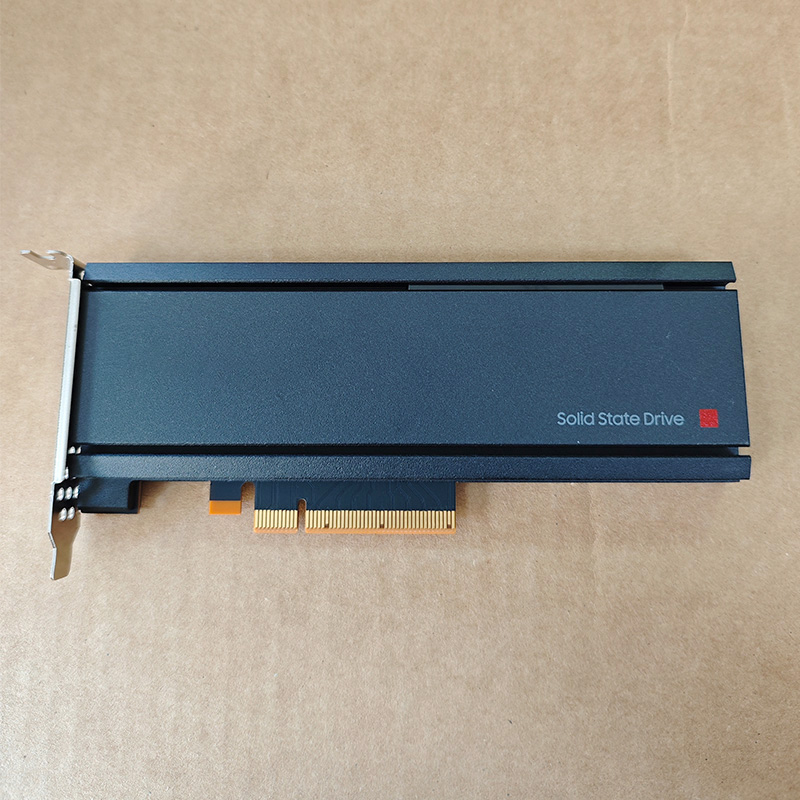
1 / 5
| model | 4XB7A14076 |
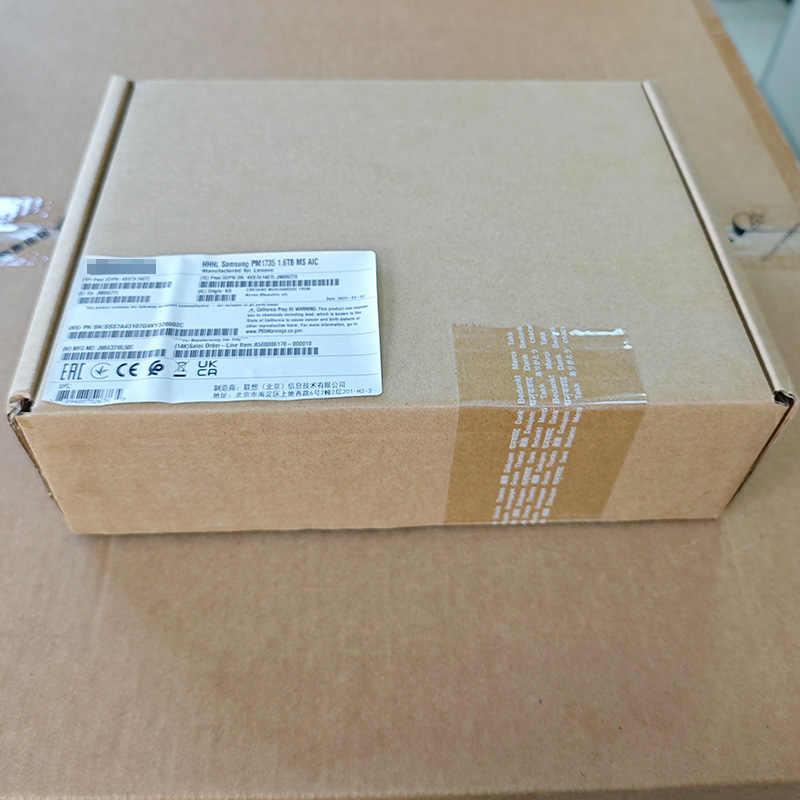
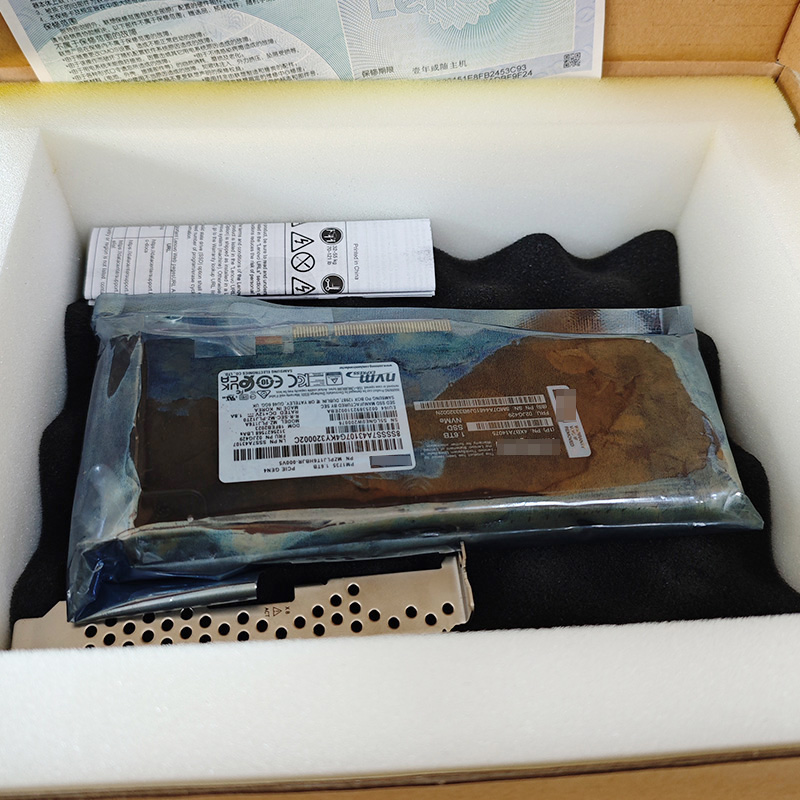
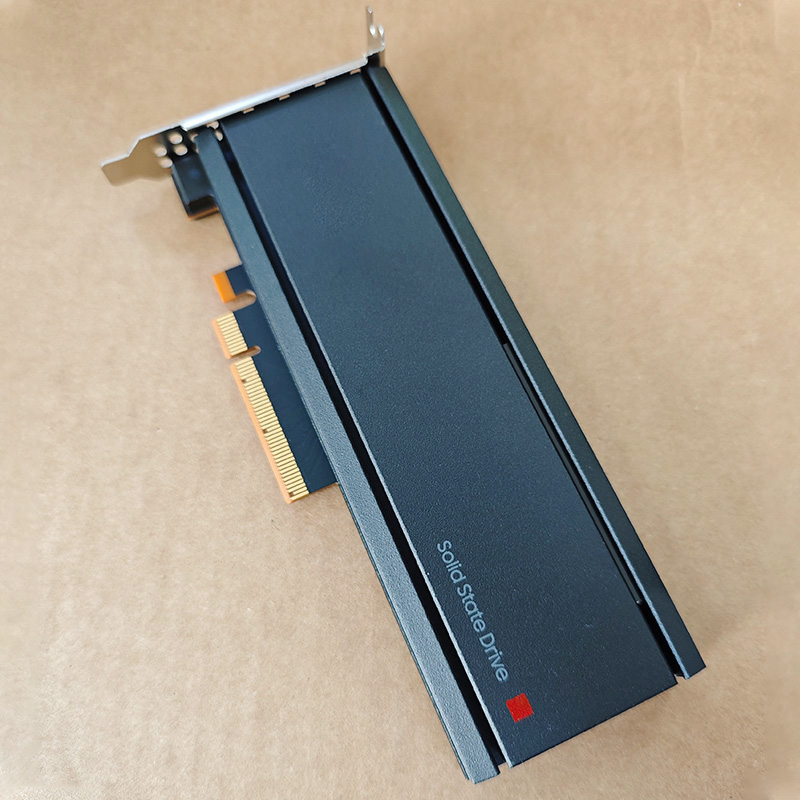
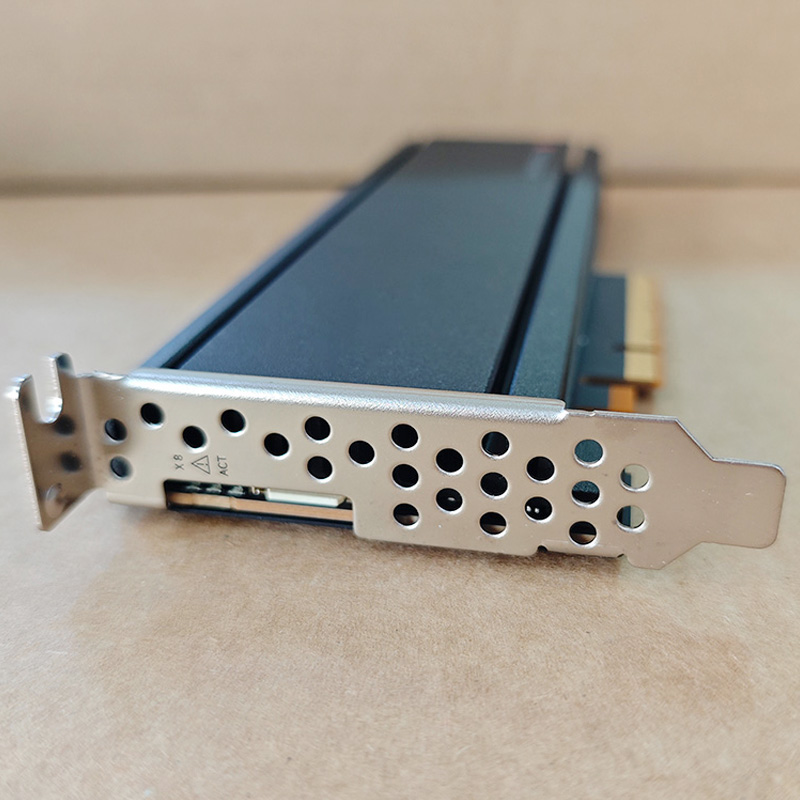
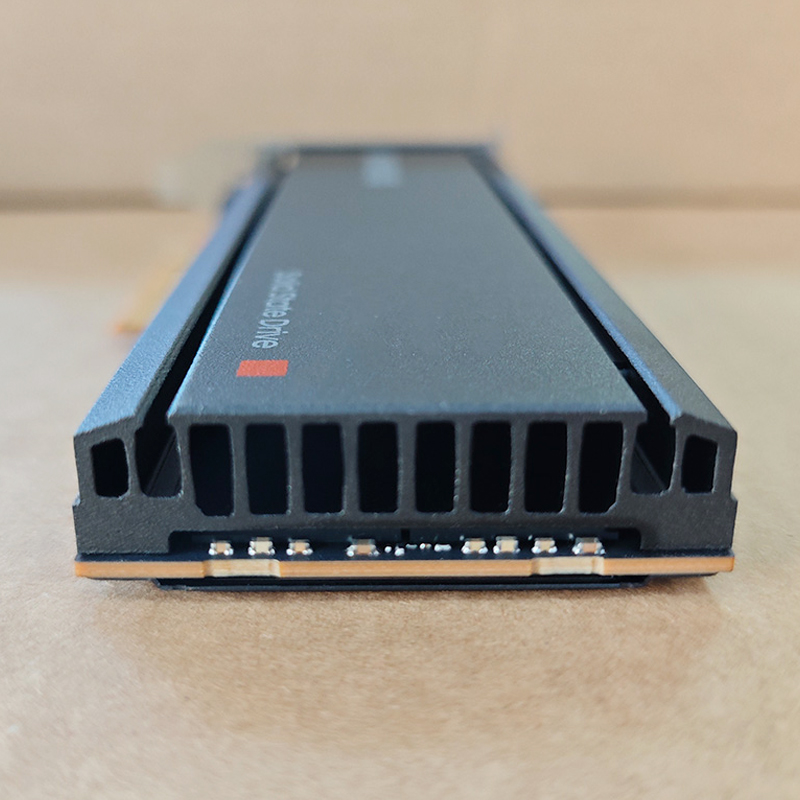
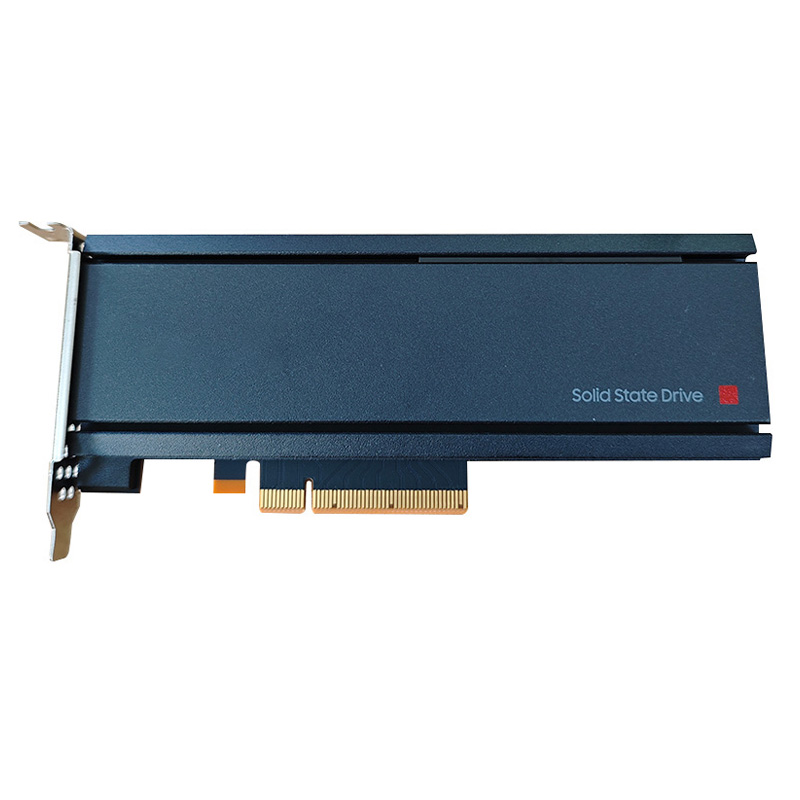
| Feature | ThinkSystem HHHL PM1735 1.6TB Mainstream NVMe PCIe 4.0 x8 Flash Adapter |
| Interface | PCIe 4.0 x8 |
| Endurance (total bytes written) | 8.76 PB |
| Endurance (drive writes per day for 5 years) | 3 DWPD |
| Data reliability (UBER) | < 1 in 1017 bits read |
| MTBF | 2,000,000 hours |
| IOPS reads (4 KB blocks) | 1,000,000 |
| IOPS writes (4 KB blocks) | 200,000 |
| Sequential read rate (128 KB blocks) (PCIe 4.0) | 7000 MBps |
| Sequential write rate (128 KB blocks) (PCIe 4.0) | 2400 MBps |

The Lenovo PM1735 Mainstream NVMe PCIe flash storage adapters, available in capacities up to 6.4TB, are high-performance NVMe PCIe add-in cards. They are engineered for greater performance and endurance in a cost-effective design, and to support a broader set of workloads.
This product guide provides essential presales information to understand the Mainstream PCIe flash storage adapters and their key features, specifications, and compatibility. This guide is intended for technical specialists, sales specialists, sales engineers, IT architects, and other IT professionals who want to learn more about the AICs and consider their use in IT solutions.
The Lenovo PM1735 Mainstream NVMe PCIe flash storage adapters, available in capacities up to 6.4TB, are high-performance NVMe PCIe add-in cards. They are engineered for greater performance and endurance in a cost-effective design, and to support a broader set of workloads.
The PM1735 family of flash storage adapters are the first PCIe 4.0 add-in cards (AICs) in the ThinkSystem portfolio. By having a Gen 4 host interface, sequential performance is increased compared to Gen 3 adapters. The NVMe host interface also maximizes flash storage performance and minimizes latency.
Lenovo Mainstream flash adapters are suitable for mixed read-write and general-purpose data center workloads, however their NVMe PCIe interface means the adapters also offer high performance. Overall, these AICs provide outstanding IOPS/watt and cost/IOPS for enterprise solutions.
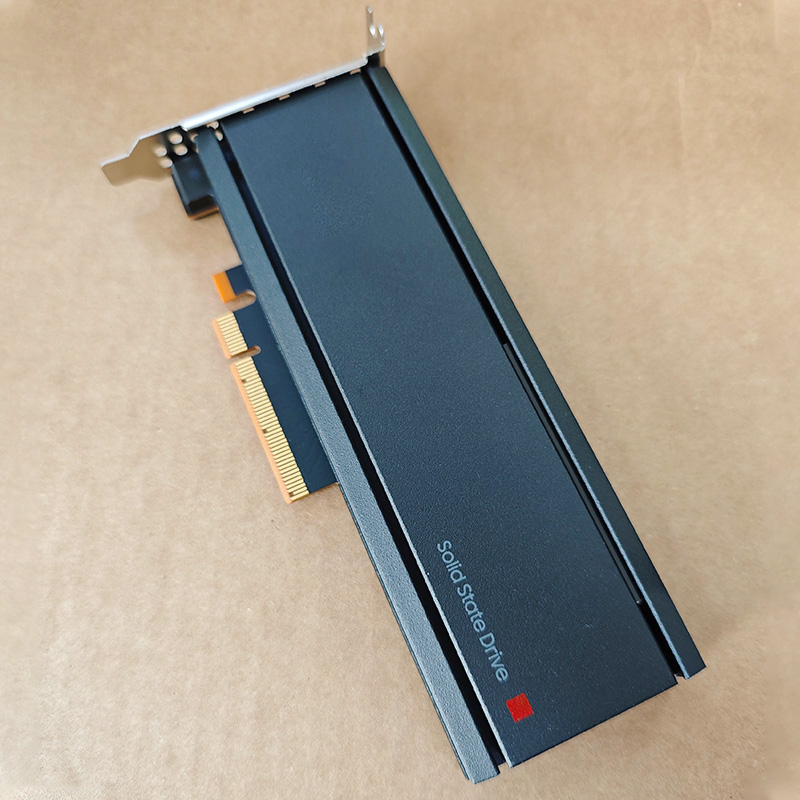
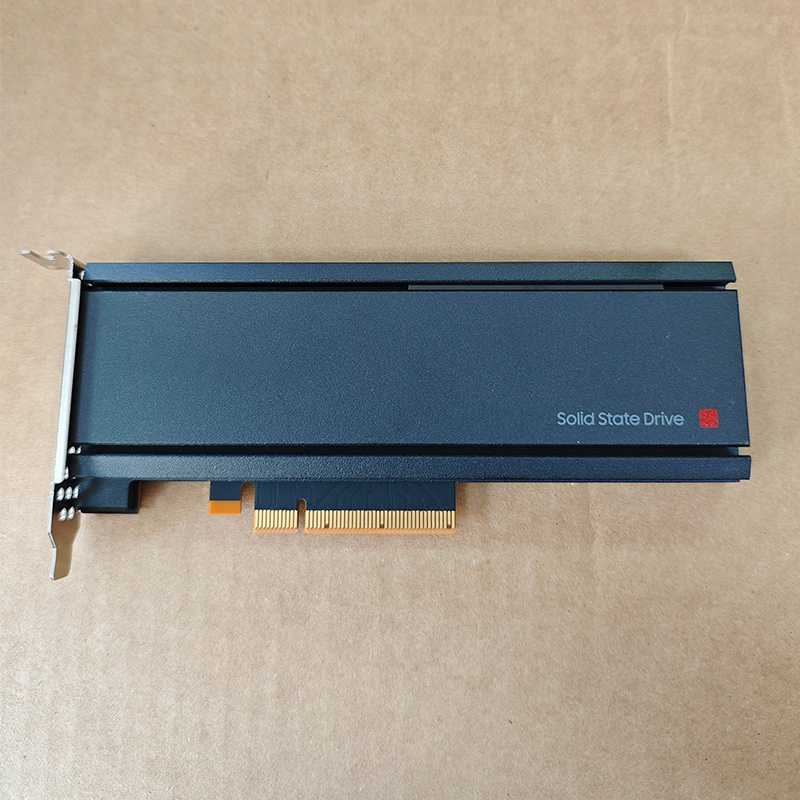
The PM1735 offers outstanding performance with a PCIe 4.0 interface (supports up to 16 Gbps per lane) and the the highly efficient NVMe protocol. The PM1735 delivers bandwidth of up to 8.0 GB/s for sequential read speed and up to 3.8 GB/s for sequential write speed. The PM1735 also delivers latency of 100 µs for random 4KB read of 1500K IOPS and 25 µs for random 4KB write of 250K IOPS in a sustained state.
By combining the enhanced reliability of Samsung NAND flash memory silicon with NAND flash management technologies, the PM1735 deliver the extended endurance of up to 3 drive writes per day (DWPD) for 5 years, which is suitable for enterprise applications.
Entry solid-state devices and Mainstream solid-state devices have similar read and write IOPS performance, but the key difference between them is their endurance (or lifetime) (that is, how long they can perform write operations because flash adapters have a finite number of program/erase (P/E) cycles). Mainstream devices have better endurance but lower cost/IOPS ratio compared to Entry devices. Write endurance is typically measured by the number of program/erase (P/E) cycles that the devices incurs over its lifetime, listed as the total bytes of written data (TBW) in the device specification.
The TBW value assigned to a solid-state device is the total bytes of written data (based on the number of P/E cycles) that a device can be guaranteed to complete (% of remaining P/E cycles = % of remaining TBW). Reaching this limit does not cause the device to immediately fail. It simply denotes the maximum number of writes that can be guaranteed. A solid-state device will not fail upon reaching the specified TBW. At some point based on manufacturing variance margin, after surpassing the TBW value, the device will reach the end-of-life point, at which the device will go into a read-only mode.
Because of such behavior, careful planning must be done to use SSDs in the application environments to ensure that the TBW of the device is not exceeded before the required life expectancy.
For example, the 1.6 TB PM1735 has an endurance of 8,760 TB of total bytes written (TBW). This means that for full operation over five years, write workload must be limited to no more than 4,800 GB of writes per day, which is equivalent to 3.0 full drive writes per day (DWPD). For the device to last three years, the write workload must be limited to no more than 8,000 GB of writes per day, which is equivalent to 5.0 full drive writes per day.