In modern data-driven architectures, data storage is no longer merely a repository for record keeping; it is the foundational engine of business agility, real-time analytics, and secure cloud integration. As leading NetApp storage systems suppliers and global exporters, we specialize in delivering enterprise-class storage hardware engineered to address the complexities of modern multi-cloud networks. With the expansion of artificial intelligence, high-performance computing (HPC), and distributed containerized microservices, organizations face unprecedented demands on both data access throughput and system availability.
This industry paper details the structural advantages of NetApp’s All-Flash FAS (AFF) and Hybrid FAS storage families. These platforms run on the market-leading ONTAP data management software, which enables zero-disruption volume mobility, inline deduplication, high-efficiency data compression, and immutable NetApp Snapshot technology. Whether optimizing databases, consolidating virtualization targets (VMware, Hyper-V), or structuring secure hybrid cloud environments via FabricPool, our optimized storage configurations ensure your operation retains critical data advantages over competitors.
Understanding which storage path to deploy is critical for achieving optimal ROI. The NetApp product ecosystem is divided into two primary hardware paradigms, each serving distinct traffic patterns, access times, and capacity density envelopes.
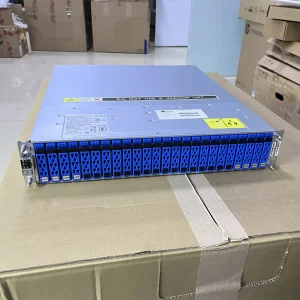
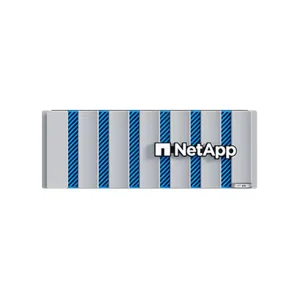
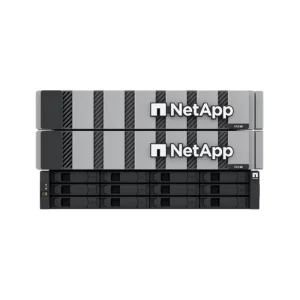
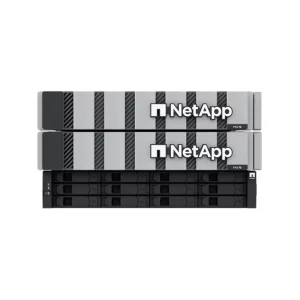
The NetApp AFF series is engineered exclusively for latency-sensitive applications that require sub-millisecond response rates under heavy concurrent transaction load. Leveraging NVMe-over-Fabrics (NVMe-oF) architectures and high-density Solid State Drives (SSDs), models such as the NetApp AFF A250, A20, A30, and A50 eliminate traditional SAS bus bottlenecks. This delivers millions of IOPS, making it the ideal selection for multi-tenant virtualization pools, mission-critical SQL/Oracle databases, and real-time AI modeling environments.
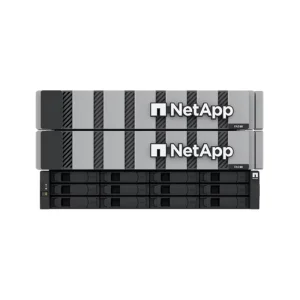
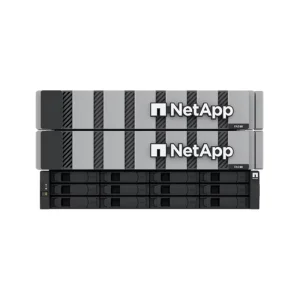
The newly developed NetApp AFF C-Series (such as the AFF C30, C60, and C80) employs high-density QLC SSD technology to bridge the gap between high-performance flash and mechanical hybrid arrays. The C-Series matches the high efficiency and low footprint of flash memory with unit pricing structured to make large-scale file share migration and backup tiers economically viable on solid-state media.
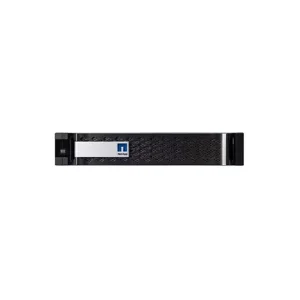
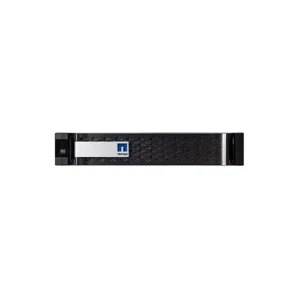
For operations prioritizing raw capacity, deep historical archives, and balanced backup schedules, the NetApp FAS hybrid family (including the FAS50, FAS70, and FAS90) combines high-speed NVMe/SSD caching with low-cost, high-capacity hard drives. Utilizing internal intelligent caching strategies, ONTAP software automatically promotes active "hot data" to SSD tiers while retaining passive "cold data" on high-density SAS drives, achieving high throughput without the premium cost of an all-flash array.
Designed for low latency workloads. Delivers sub-millisecond IOPS using high-performance NVMe SSDs for transactional databases and complex virtualized setups.
Employs QLC media to scale storage capacity while keeping energy and cooling costs down, offering the best cost-to-performance ratio for large files and backups.
Leverages SSD flash caching combined with heavy-duty SATA/SAS hard drives to optimize capacity costs while offering enterprise data management.
Across regional economies, enterprise architectures vary according to compliance guidelines, power grids, and legacy software setups. NetApp storage is uniquely suited to handle these localized variations:
In high-frequency trading and retail banking operations, data loss is not an option. By pairing AFF A-series hardware with NetApp MetroCluster software, synchronous replication can be maintained across distinct physical data centers located up to 300 kilometers apart. This setup provides a zero Recovery Point Objective (RPO) and a near-zero Recovery Time Objective (RTO), meeting strict regulatory compliance criteria set by central banks globally.
Modern automated factories generate terabytes of time-series sensor data every hour. The hybrid FAS series (such as the FAS50 and FAS90) serves as an on-premise aggregator. Dynamic scheduling allows hot telemetry data to be processed locally on internal flash drives before being compressed and migrated to long-term cloud repositories, optimizing WAN bandwidth utilization.
Medical imaging (PACS) and Electronic Health Records require constant, uninterrupted access. The storage system's capability to provision NAS protocols (NFS, SMB/CIFS) alongside SAN architectures (FC, iSCSI) ensures that legacy clinical software and modern containerized web portals access the same physical storage hardware without protocol conflicts.
Navigating global semiconductor supply chains requires proactive logistics planning, strategic partnerships, and robust quality control. Our assembly and distribution logistics nodes bridge high-efficiency manufacturing ecosystems with global shipping lanes to minimize delivery lead times.
With three years of active exporting history and key partnerships with over ten primary tier-one components manufacturers, we maintain high stock levels of critical storage controllers, high-speed network interfaces (8*10Gb network cards, 16Gb/32Gb Fibre Channel HBAs), and high-capacity storage drives. By maintaining complete system trace audits and inspecting all products before dispatch, we protect client configurations from common issues like firmware incompatibilities and disk sector failure prior to installation.
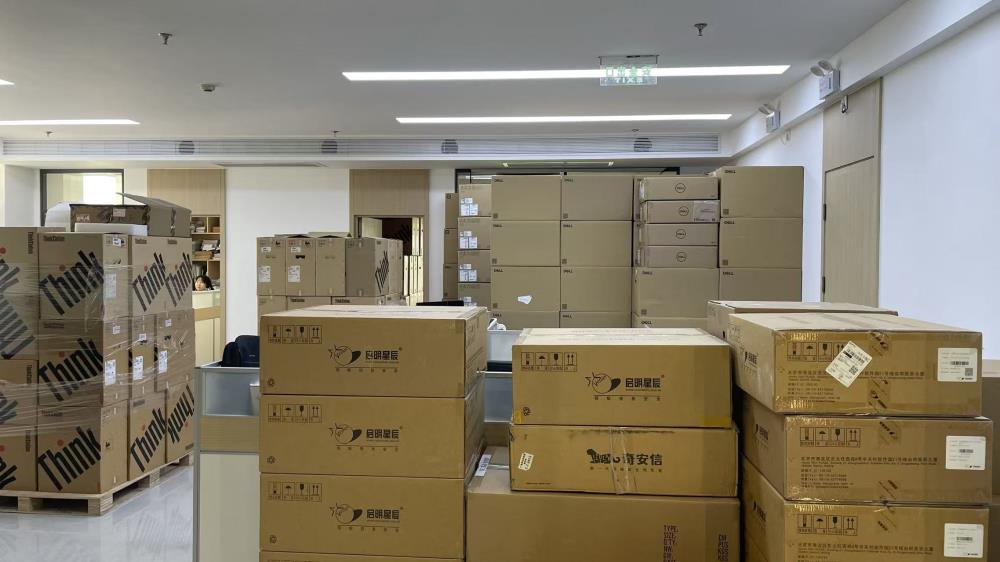
Delivering enterprise infrastructure components directly to wholesalers, retailers, and data center engineering teams worldwide.

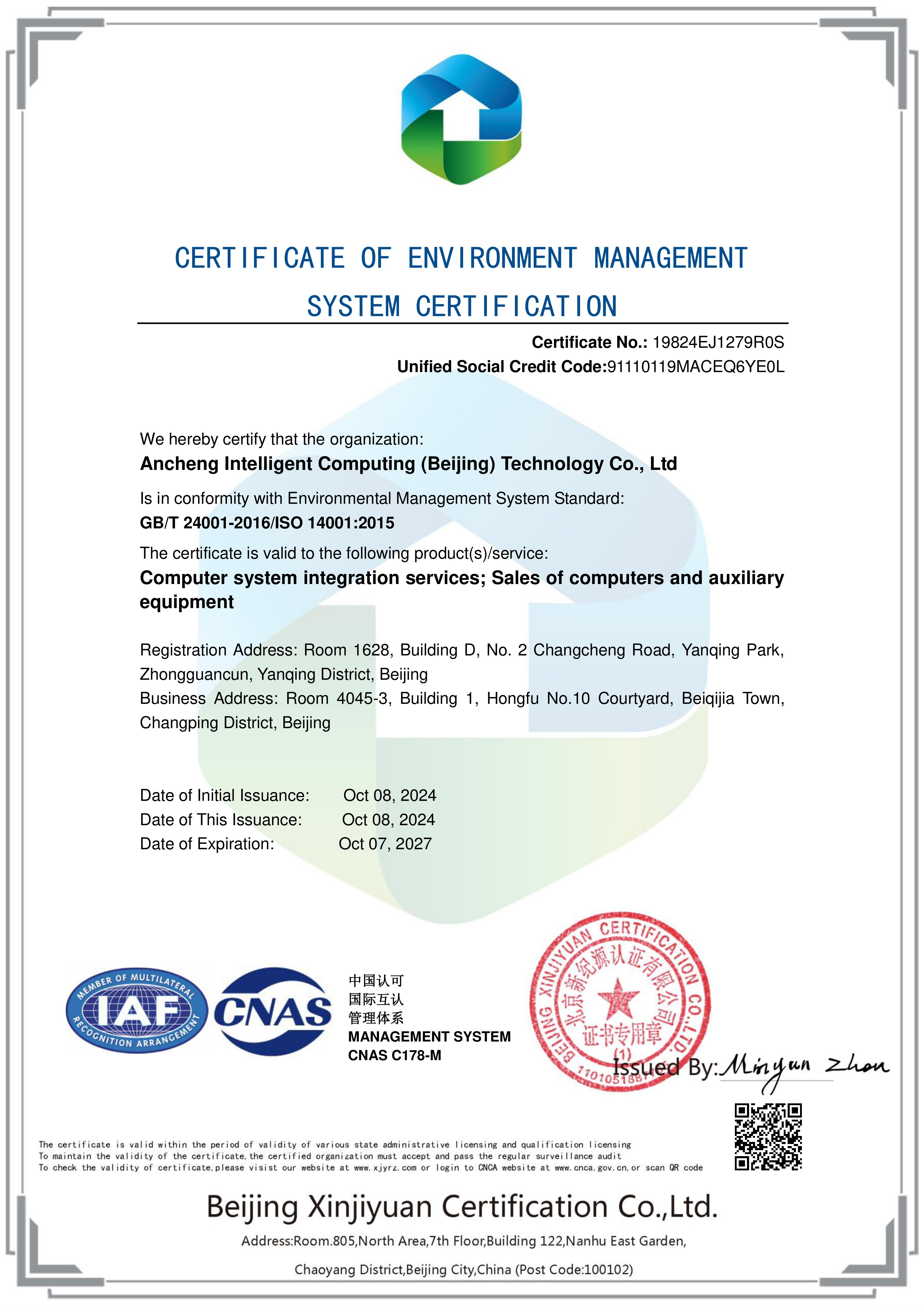

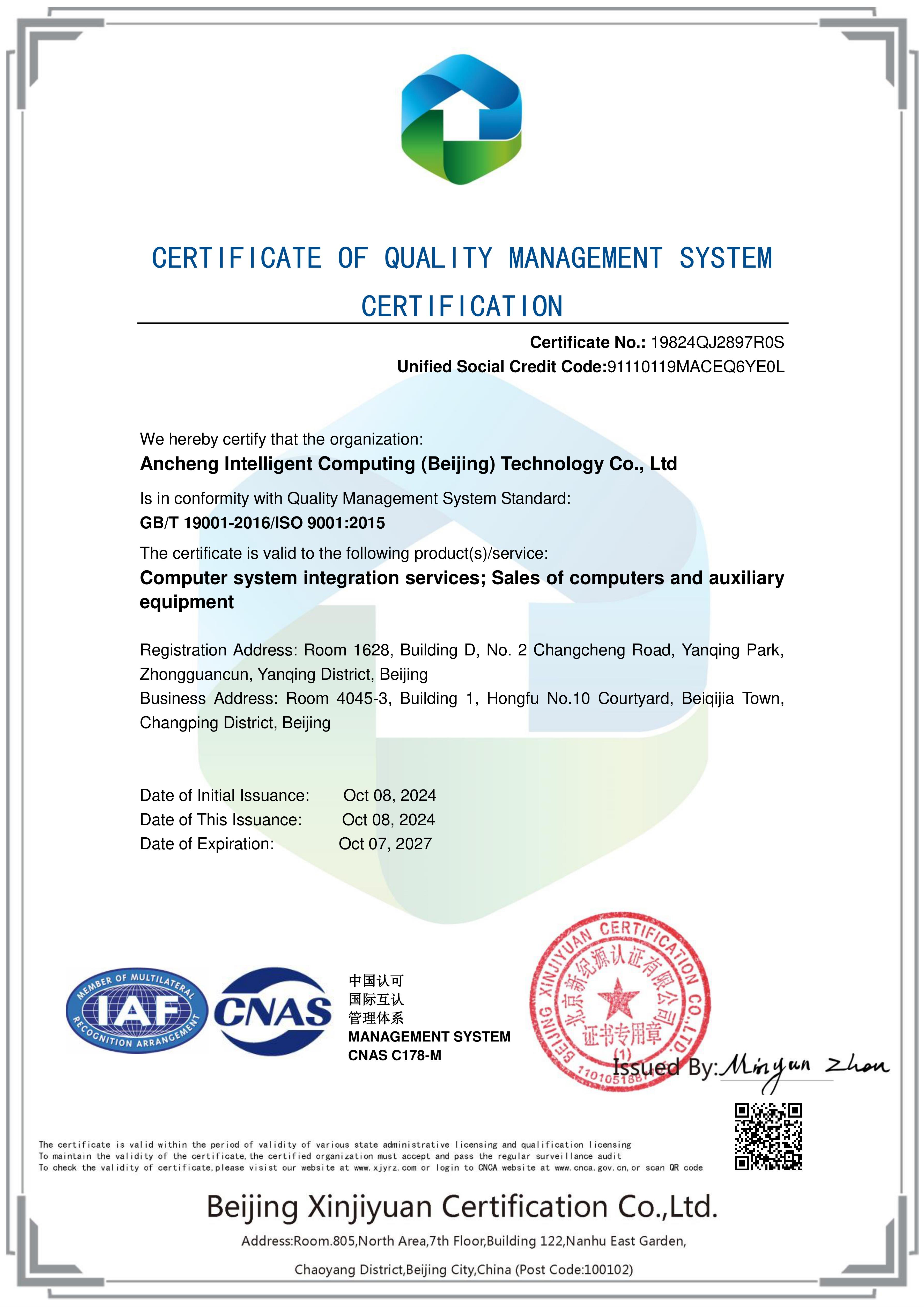
A single storage controller crash can cause database corruption and costly service outages. To mitigate this risk, we implement strict hardware testing protocols on all outgoing NetApp hardware before it is shipped:
Before packing, every controller undergoes a 24-hour diagnostic burn-in loop. We verify memory integrity, network port speed negotiation, redundant power supply auto-failovers, and disk backplane connections.
All parts are checked for compliance with CE, FCC, and regional telecom certifications. True hardware component traceability ensures that drive lots are verified for authentic firmware, helping to prevent silent data corruption (bit rot) and disk-dropouts in large RAID groups.
 Aiserver Manufacturer