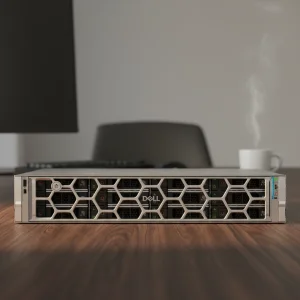
Explore our high-density rack hosts and custom storage compute platforms engineered to process next-generation AI pipelines and enterprise database workloads.
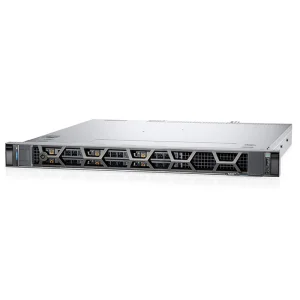
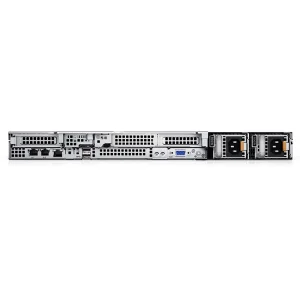
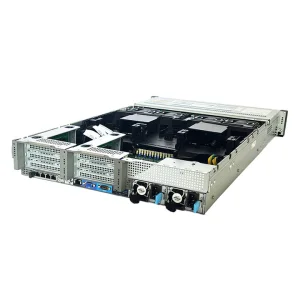
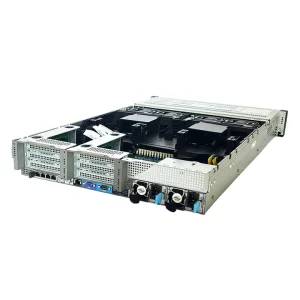
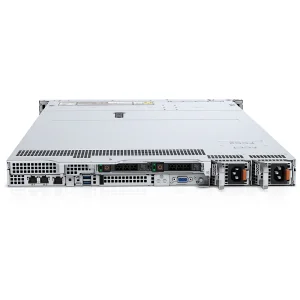
The global enterprise computing landscape is undergoing a structural migration. Traditional monolithic CPU architectures are no longer sufficient to meet the massive parameter calculations required by large language models (LLMs), deep learning, and advanced scientific simulation workloads. As specialized AI Server Suppliers & Exporters, we sit at the convergence of this technological revolution, delivering highly optimized systems configured for massive parallel processing capabilities.
AI servers differ fundamentally from standard storage or application servers. They require advanced heterogeneous computing frameworks, combining high-end multi-core processors (such as Intel Xeon Scalable or AMD EPYC platforms) with massive GPU accelerators (such as NVIDIA SXM5/PCIe architectures or AMD Instinct MI300X accelerators). These servers utilize high-bandwidth memory (HBM3e), PCIe Gen 5 expansion slots for ultra-fast interconnects, and complex thermal configurations to ensure continuous operations at high load factors.
Our global provisioning capability facilitates access to compute power that bridges regional gaps. We provide custom configurations, scalable designs, and verified compatibility arrays that let data centers, research centers, and enterprise clouds rapidly build out localized nodes. By shipping enterprise-grade hardware internationally, we support the scaling of AI networks from single host models to distributed, massive computing clusters.
Delivers up to 128 GB/s bi-directional bandwidth, critical for eliminating bottlenecks between host CPUs and GPU accelerators.
Massive memory channels that sustain throughput rates exceeding 1.2 TB/s, critical for handling multi-billion parameter LLMs.
Configured for unified platforms using NVLink or AMD Infinity Fabric to scale multi-card clusters without latency degradation.
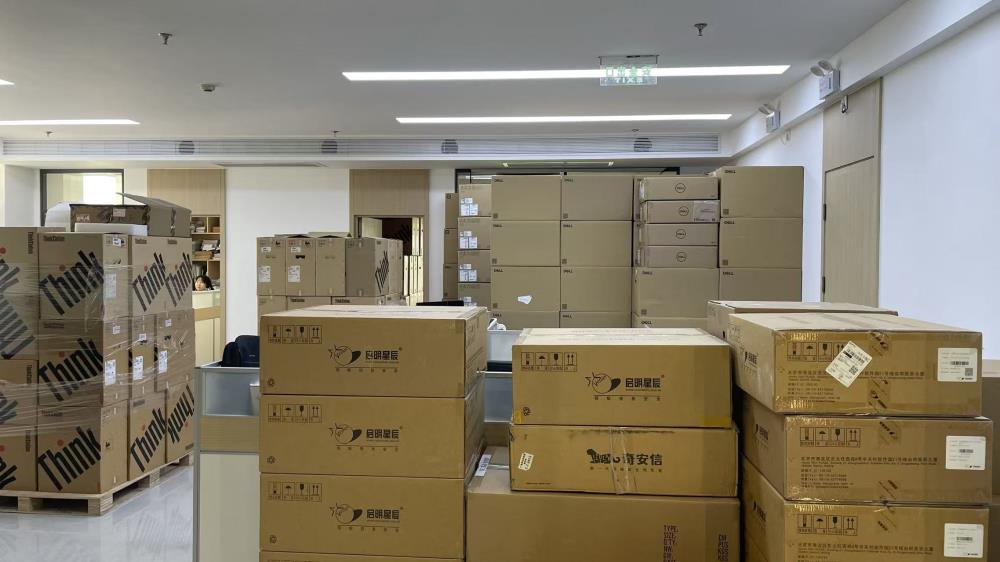
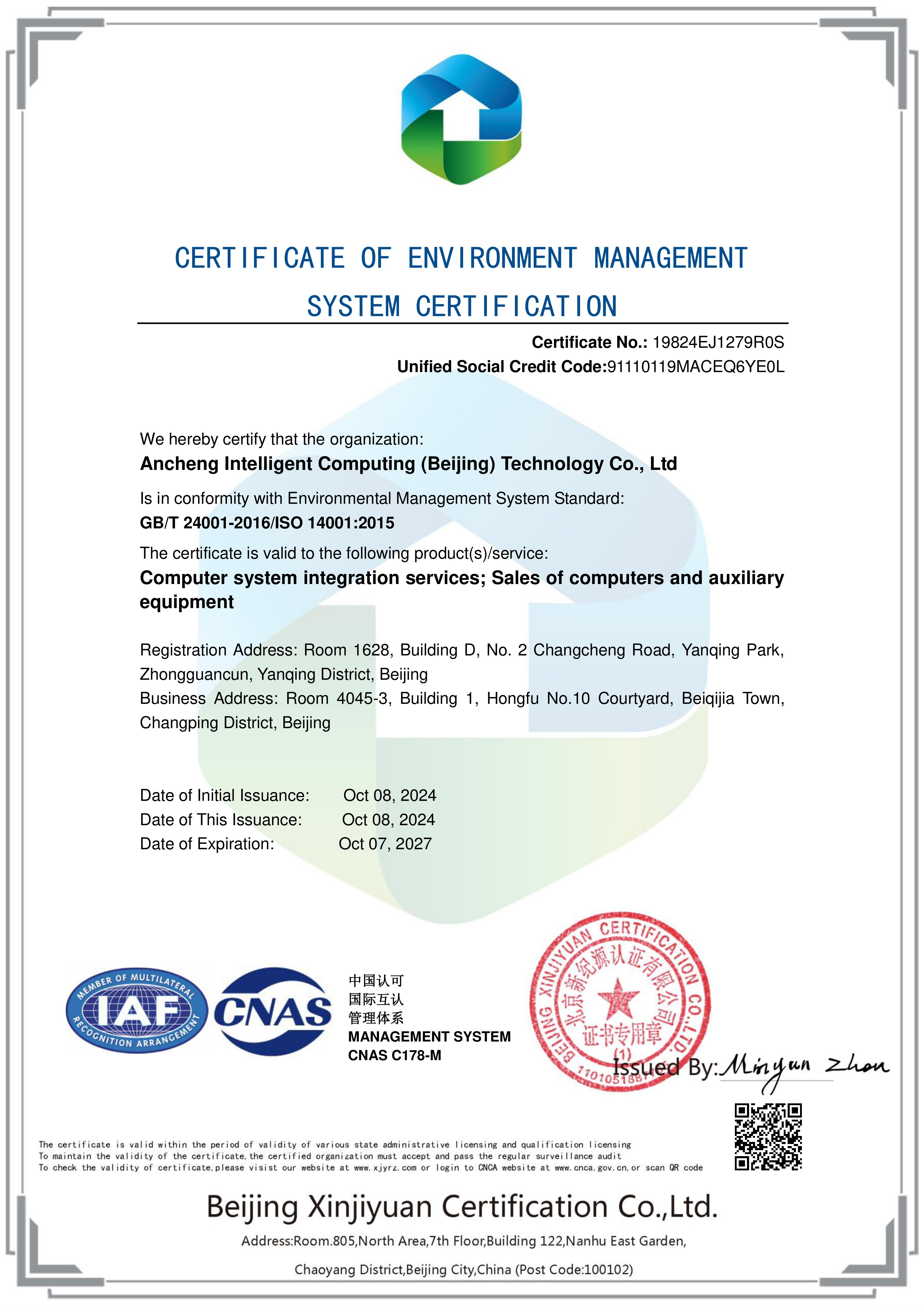
Built on strict quality control standards, international compliance, and three years of global trade footprint across key regions.


Modern workloads require specific architectures. Enterprise computing relies heavily on two primary design methodologies: high-density multi-GPU platforms designed for massive matrix algebra, and general-purpose systems optimized for cloud storage, database virtualization, and web infrastructure. Understanding the limits of these formats is critical to provisioning the correct compute layout.
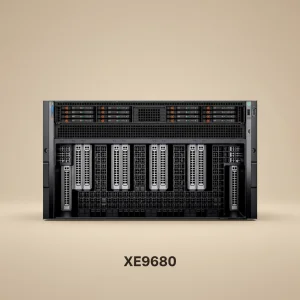
Systems like the Dell PowerEdge XE9680 represent the peak of multi-accelerator architectures. Configured with a 6U form factor, they host dual Intel Xeon Scalable processors alongside 8-way GPU boards (such as AMD Instinct MI300X or NVIDIA platforms) linked through direct point-to-point fabrics. These models run up to 10.2 kW of thermal design power (TDP), demanding specialized facility logistics including rear-door heat exchangers or direct liquid cooling (DLC) setups.
Unbranded or own-brand general-purpose GPU servers offer flexible deployment options. These models often utilize EPYC or Xeon processors to drive up to 12 LFF/SFF drive bays and support standard PCIe Gen 5 slot layouts, providing custom deployment platforms for retail, engineering, and regional cloud providers seeking high ROI without premium brand markups.
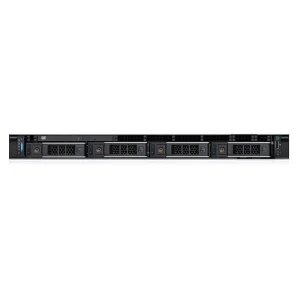
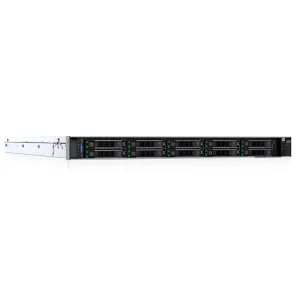
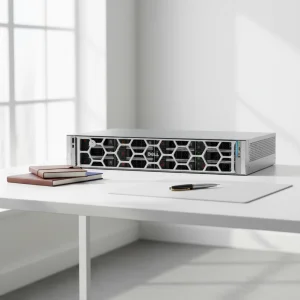
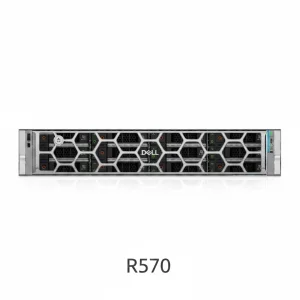
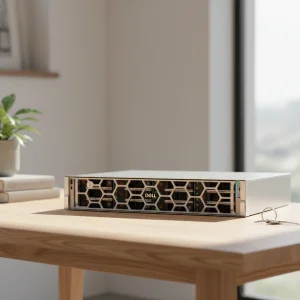
For workloads focused on virtualization, database hosting, and web hosting, systems like the Dell PowerEdge R660 and R570 provide reliable performance. Featuring dual-socket Intel Xeon architectures, DDR5 RAM configurations, and support for up to 32 DIMM slots, they offer high memory bandwidth for virtualized environments and high-speed data access.
Exporting high-performance compute hardware requires strict adherence to international trade guidelines. Because AI servers are often classified under dual-use technologies, suppliers must navigate export controls, trade compliance rules, and regional import procedures.
Our trade network focuses on key emerging regions, split into three main markets:
Every server shipment undergoes 100% inspection before dispatch. Our QA/QC team tests hardware configurations under thermal loads to verify that processors, memory channels, storage arrays, and network cards perform reliably in real-world scenarios. We track raw materials through our supply chain partners, ensuring component authenticity and reliability.
The enterprise hardware roadmap is defined by three main trends: compute density, interconnect bandwidth, and power efficiency. As workloads grow from generative AI models to multi-agent environments, our hardware catalog evolves to match these shifting demands.
CXL technology enables memory pooling and sharing between CPUs, GPUs, and DPUs. Future server generations will allow dynamic memory allocation, reducing memory bottlenecks and lowering total cost of ownership (TCO) across complex enterprise deployments.
As TDPs push beyond 500W per socket and 1000W per GPU, conventional air-cooling systems are reaching their physical limits. Hybrid liquid-loop cooling and direct-to-chip cooling designs will become standard, lowering power usage effectiveness (PUE) ratios to sustainable levels.
Future setups will see copper cabling replaced by co-packaged optical links, enabling near-zero-latency communication across server nodes. This support will allow edge computing sites to run complex real-time inferences without relying on centralized cloud systems.
Expert answers addressing hardware configurations, power logistics, export compliance, and deployment setups.
Explore our premium high-end compute platforms, ranging from tower supercomputing workstations to high-density 6U GPU servers.
 Aiserver Manufacturer