Choosing a reliable cloud ai server manufacturer will matter more in 2026, as AI workloads become larger, faster, and more geographically distributed. Global buyers need more than impressive specifications. They must examine accelerator options, memory capacity, networking speed, cooling design, firmware support, and long-term serviceability.
This guide explores manufacturers that serve demanding cloud AI environments, including training clusters, inference platforms, and private enterprise deployments. It considers practical evidence, such as rack-scale integration, deployment timelines, energy efficiency, warranty coverage, and regional technical support. A server that performs well in a laboratory may struggle inside a crowded data center. Heat, power limits, and delayed replacement parts can change the purchasing decision quickly.
Specifications alone mislead.
The comparison also reflects the experience of infrastructure teams managing real workloads, not only product brochures. However, market conditions may shift during 2026. GPU availability, export controls, component pricing, and software compatibility can influence a manufacturer’s value from one region to another. No vendor is perfect, and some published performance claims require independent validation under comparable workloads. Buyers should request test results, service-level commitments, security documentation, and references from similar deployments. This approach helps organizations distinguish dependable engineering from polished marketing. It also leaves room for careful judgment, because the best supplier depends on workload, budget, location, and growth plans.
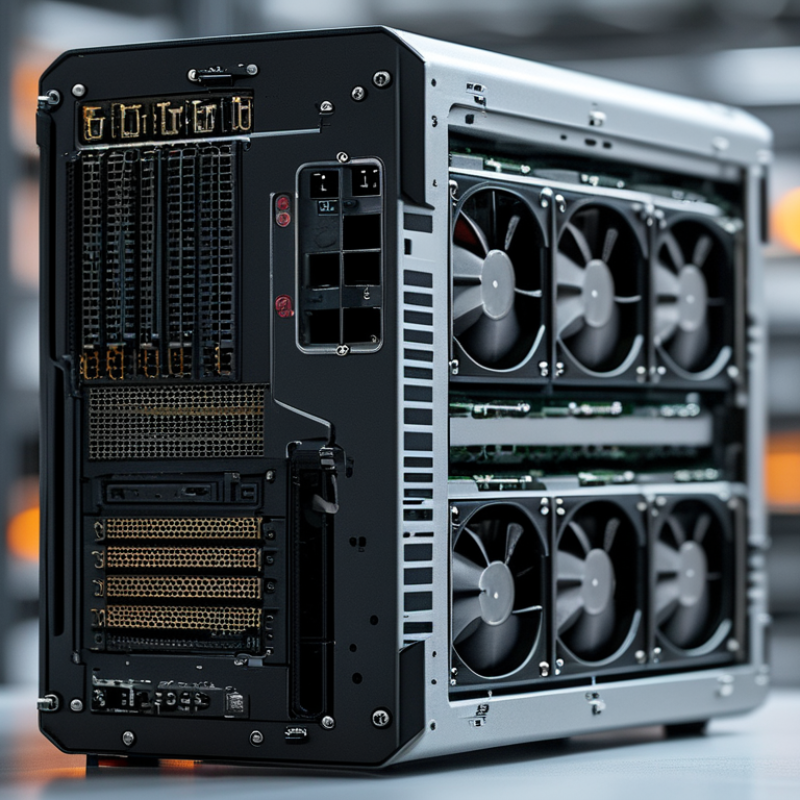
What Defines a Cloud AI Server Manufacturer in 2026
A cloud AI server manufacturer in 2026 does more than assemble high-performance hardware. It designs complete systems for training, inference, storage, networking, and remote management. In procurement reviews, I look for clear workload evidence, not impressive component lists. A useful system should sustain predictable performance under heat, power limits, and continuous operation.
Engineering depth matters. Manufacturers should validate accelerator compatibility, memory bandwidth, cooling design, and failure recovery before shipment. They should also provide firmware controls, security updates, audit records, and documented energy measurements. A global buyer needs consistent configuration across regions. Spare parts, multilingual support, customs documentation, and local service partners can affect uptime as much as processing speed.
Small details reveal maturity. Can technicians replace a failed power module without removing the entire rack? Does the monitoring console show temperature, utilization, and error trends in real time? These questions expose practical capability. Compliance evidence must be current, specific, and independently checkable. Claims alone are weak.
Cloud readiness also requires flexible deployment. Servers should support private infrastructure, hosted environments, and hybrid operations without forcing unnecessary redesign. Yet no manufacturer is perfect. Compatibility gaps still appear after software updates, and published performance may not match mixed workloads. Buyers should request pilot testing with real data patterns, written service targets, and a transparent escalation process before making a large commitment. A polished demo is not enough.
Core Technologies Used in Modern Cloud AI Servers
Core Technologies Used in Modern Cloud AI Servers
Modern cloud AI servers depend on specialized accelerators, high-bandwidth memory, and fast data paths. Accelerators handle matrix operations far more efficiently than standard processors. High-bandwidth memory keeps large model parameters close to the computing cores. That reduces waiting during training and inference. It still has limits. Memory capacity can become a serious bottleneck.
A practical server usually combines multiple accelerators with high-speed interconnects. These links support distributed training across several machines. RDMA-enabled networking reduces copying between systems and lowers communication delays.
Advanced cooling is equally important. Direct-to-chip liquid cooling can remove heat from dense racks more effectively than ordinary airflow. In testing, temperature stability often matters as much as peak performance.
Software controls the hardware investment. Container platforms, orchestration tools, and model-serving engines help operators deploy workloads consistently. Monitoring systems track power use, latency, memory errors, and accelerator health. Secure boot, encrypted storage, and isolated virtual machines protect sensitive data. Reliability still requires human judgment. A server may achieve impressive benchmark scores but perform poorly under uneven workloads. Buyers should examine sustained performance, serviceability, upgrade paths, and energy consumption before comparing specifications. That comparison is easy to overlook.
Leading Cloud AI Server Manufacturers for Global Buyers
Cloud AI server manufacturers serve global buyers with more than powerful processors. They must deliver reliable systems, clear documentation, and responsive technical support. Leading manufacturers usually offer configurable platforms for model training, inference, and high-volume analytics. Buyers should examine accelerator compatibility, memory capacity, network bandwidth, and storage performance. Small design choices affect daily workloads.
Experienced procurement teams inspect thermal engineering closely. A rack running continuously needs efficient airflow, liquid cooling options, and accessible maintenance points. Firmware updates should be documented and tested. Remote monitoring can reveal rising temperatures before they interrupt production. Manufacturers should also provide realistic performance data, not only laboratory results. Ask for workload-based benchmarks.
Global purchasing adds another layer of responsibility. Check regional certifications, import requirements, warranty coverage, and replacement-part availability before signing contracts. Data location and security controls should match each operating region. A dependable manufacturer explains service limitations clearly. That matters.
Cost comparisons can be misleading. A cheaper server may require expensive cooling, specialist labor, or long-distance repairs. I have seen buyers focus on accelerator counts while overlooking power capacity and installation constraints. That mistake is easy to repeat. No manufacturer is perfect, and published specifications may not reflect every deployment environment. Request pilot testing, failure-response procedures, and references from similar facilities. A careful evaluation connects technical capability with practical support.
How to Compare Cloud AI Server Manufacturers and Products
Choosing a cloud AI server manufacturer in 2026 requires more than comparing processor names. Global buyers should examine workload planning, delivery, security, and technical support. Ask for measured results on training, inference, storage traffic, and power use. A useful test includes your own model, dataset, and expected user load. Marketing benchmarks can look impressive, yet they may not reflect production conditions. Request clear test methods and repeatable results.
Compare accelerator density, memory capacity, network bandwidth, and cooling design together. A server with faster chips may perform poorly when memory is limited. Check support for container orchestration, remote monitoring, firmware updates, and common AI frameworks. Review service terms carefully, including replacement times, spare-part access, and support hours across time zones. Ask how logs and customer data are protected. Small details matter.
Total cost includes electricity, rack space, software licenses, migration work, and downtime. Request a three-year estimate, not only a purchase price. Inspect certifications, manufacturing quality controls, and references from similar workloads. A site visit or live technical demonstration can reveal cable layout, noise, and maintenance access. I would also score documentation, because unclear manuals slow capable teams. My comparison would not be perfect; workload forecasts change, and supplier promises need testing. Leave room for a pilot.
2026 Best Cloud AI Server Manufacturers for Global Buyers
How to Compare Cloud AI Server Manufacturers and Products
Availability is a measurable comparison point when evaluating cloud AI server providers. The chart converts common service availability targets into maximum annual downtime based on a 365-day year. Buyers should also compare accelerator memory, interconnect bandwidth, storage throughput, scaling options, security controls, support response times, and total cost of ownership.
Conclusion
In 2026, a cloud ai server manufacturer is defined by its ability to deliver scalable, secure, and energy-efficient computing systems for cloud platforms, enterprise workloads, and AI development. Modern cloud AI servers typically combine advanced processors, accelerator technologies, high-speed memory, fast storage, efficient networking, intelligent cooling, and software management tools. These technologies help organizations support model training, inference, data analysis, virtualization, and other demanding applications while maintaining reliable performance.
For global buyers, leading manufacturers should be evaluated by product flexibility, system quality, customization capabilities, technical support, delivery capacity, and long-term serviceability. Buyers should compare processing power, expansion options, energy consumption, compatibility, security features, warranty coverage, and total ownership costs. International procurement also requires careful attention to shipping, certifications, regional support, compliance requirements, and supply-chain reliability. A well-informed purchasing decision balances immediate performance needs with future scalability, operational efficiency, and dependable global support.
 Aiserver Manufacturer
