What Is the Best Custom GPU Server Builder in China?

Time:2026-09-18 Author:Ethan
0%

Choosing the best custom gpu server builder in China requires more than comparing prices online. A reliable decision begins with evidence, technical clarity, and practical experience. GPU servers can look similar in product photos, yet differ greatly in cooling, power delivery, firmware, and long-term support.

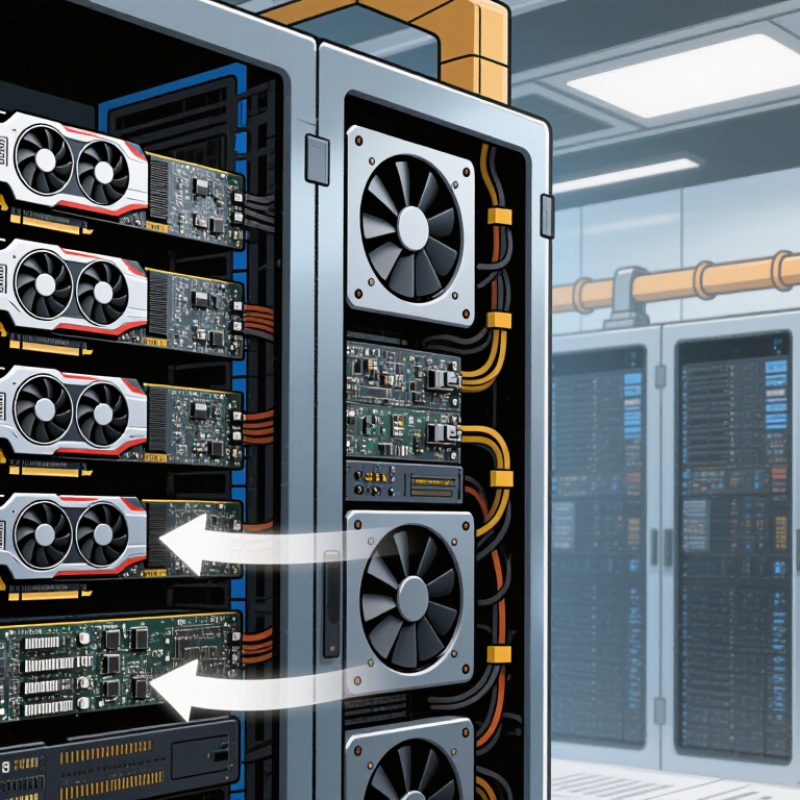
This guide examines builders through real-world criteria. We consider GPU compatibility, CPU balance, memory capacity, PCIe layout, and rack dimensions. We also examine thermal design, because a server operating in a crowded data center faces constant heat pressure. Details matter, such as airflow direction, fan noise, power connectors, and access for maintenance.

A capable builder should provide clear specifications, documented testing, and responsive engineering support. Useful evidence may include burn-in records, benchmark results, component brands, and warranty terms. Certifications and export documentation also deserve careful review. Experienced buyers should request a sample configuration before approving a larger deployment.

No shortlist is perfect. Some suppliers communicate well but offer limited customization. Others provide impressive hardware but respond slowly after delivery. This weakness should not be ignored. The best choice depends on workload, budget, deployment location, and service expectations. Training, inference, rendering, and scientific computing can require very different designs.

The following discussion compares practical strengths and possible risks among leading Chinese builders. It focuses on verifiable capabilities rather than promotional claims. Readers will gain a clearer framework for assessing performance, reliability, ownership costs, and technical trust. That approach supports a more confident decision, even when available information is incomplete.
What Is the Best Custom GPU Server Builder in China?

What a Custom GPU Server Builder in China Provides

What Is the Best Custom GPU Server Builder in China?

A capable custom GPU server builder in China provides more than assembled hardware. It translates workload requirements into a stable system design. For model training, that means selecting suitable GPUs, memory capacity, storage speed, and high-bandwidth networking. For inference, thermal efficiency and predictable latency often matter more than maximum accelerator count.

The builder should also provide rack planning, power calculations, firmware configuration, and burn-in testing. These details become practical concerns when a server produces constant heat beside other equipment. The IEA’s Electricity 2024 report estimates that data centers, artificial intelligence, and cryptocurrency consumed about 460 TWh globally in 2022. This demand could exceed 1,000 TWh by 2026. Efficient cooling is no longer optional. It affects operating cost and deployment reliability.

Reliable providers document test procedures and report actual results. Useful evidence includes GPU error logs, memory checks, temperature curves, and performance tests under sustained workloads. The Uptime Institute’s 2024 Global Data Center Survey continues to identify power availability and resilience as major operational concerns. A serious builder should therefore offer redundant power options, remote monitoring, spare-part planning, and responsive technical support. However, no configuration fits every project. I would question any supplier promising maximum performance without discussing electricity limits, room cooling, software compatibility, and maintenance access. A perfect design rarely exists. Careful trade-offs do.

How to Define GPU Server Requirements for Different Workloads

What Is the Best Custom GPU Server Builder in China?

The best custom GPU server builder is not defined by hardware alone. It should translate your workload into a stable, measurable system. Define whether you need model training, inference, scientific simulation, rendering, or virtual workstations. Training usually needs multiple GPUs, high memory capacity, fast GPU interconnects, and strong data pipelines. Inference may require lower latency, efficient cooling, and enough memory for the target models. Rendering workloads often prioritize GPU count, application compatibility, and reliable storage.

Measure the details. Record dataset size, model parameters, batch size, expected users, and daily operating hours. Check power limits and rack space before requesting a quotation. A practical configuration should include suitable CPUs, system memory, NVMe storage, network bandwidth, cooling design, and remote management. Ask the builder for validated benchmarks, burn-in records, component traceability, and clear warranty terms. A low purchase price can become expensive when cooling or maintenance is ignored. That lesson is easy to miss.

Tips: Start with a small pilot server. Test real workloads, not only synthetic scores. Monitor GPU temperature, memory use, power draw, and job completion time. Leave expansion space for future GPUs or storage. Keep a written requirement sheet, because vague expectations create costly revisions. Be willing to rethink the design. Your first estimate may be wrong. A dependable Chinese builder should explain trade-offs clearly, document testing procedures, and support long-term operation rather than simply selling the largest available configuration.

Which Criteria Identify the Best Chinese GPU Server Builder

What Is the Best Custom GPU Server Builder in China?

The best Chinese GPU server builder should prove engineering ability, not merely list powerful specifications. Ask for documented thermal tests, workload benchmarks, and failure-rate records. This evidence matters because GPU systems often operate near their power and cooling limits. The International Energy Agency’s Electricity 2024 report estimates that data-center electricity demand could exceed 1,000 TWh globally by 2026. Therefore, efficient airflow, power design, and heat monitoring should be basic selection criteria.

Experience is visible in practical details. Check whether the builder offers customized rack layouts, redundant power options, remote monitoring, and burn-in testing before shipment. Request component traceability and clear warranty procedures. Uptime Institute’s 2024 Global Data Center Survey reported that power-related failures remain a major outage cause. A reliable builder should explain how its servers handle voltage fluctuation, fan failure, and high ambient temperatures. Vague answers are warning signs.

Supply-chain control also deserves careful review. TrendForce has reported continuing growth in AI server demand, creating pressure on accelerator supply and delivery schedules. A professional builder should provide realistic lead times, alternative configurations, and written change-control policies. Cheap quotations can hide weak validation. That is often overlooked. I would also inspect service records from comparable deployments, not polished brochures. No checklist is perfect. Even a capable builder may miss a thermal issue after installation, so acceptance testing at the customer’s site remains essential.

How to Compare Customization, Performance, Support, and Pricing

What Is the Best Custom GPU Server Builder in China?

Choosing a custom GPU server builder requires more than comparing advertised GPU counts. Customization should match the workload, not merely increase the specification. Ask whether the builder can configure PCIe lanes, memory capacity, storage tiers, networking, and cooling together. A serious supplier should provide a thermal design, power estimate, and validation report. Request practical evidence, such as a stress test performed at sustained load. Short demonstrations can hide problems.

Performance depends on the complete system. Check GPU-to-GPU communication, CPU balance, memory bandwidth, and airflow under continuous operation. In one evaluation, a powerful configuration throttled because its fans could not remove heat from a dense chassis. The mistake was mine. I focused on peak benchmark numbers and ignored noise, room temperature, and rack power limits. Real testing should include your models, batch sizes, and expected operating hours.

Support can decide the actual cost. Look for clear response times, spare-part availability, remote diagnostics, firmware guidance, and an understandable warranty process. Pricing should show the server, GPUs, licenses, delivery, installation, and maintenance separately. A low quotation may exclude essential networking or cooling upgrades. Compare three-year ownership costs, not only the purchase invoice. Ask for references from similar deployments, but verify their details carefully. Claims deserve evidence.

What Is the Best Custom GPU Server Builder in China?

This chart presents a neutral procurement framework for comparing custom GPU server builders. Performance and customization typically receive the highest priority, while technical support and total pricing remain essential for long-term value.

How to Select and Deploy the Right GPU Server Solution

What Is the Best Custom GPU Server Builder in China?

Selecting a GPU server solution starts with workload evidence, not a glossy specification sheet. Training needs fast GPU interconnects, large memory, and predictable cooling. Inference may favor lower latency, compact density, and flexible partitioning. The Stanford AI Index 2024 reported a 280-fold fall in GPT-3.5 inference costs within one year. That shift makes utilization and software efficiency as important as raw hardware.

Ask the builder for measured results, not only theoretical performance. Request burn-in records, thermal readings, BIOS settings, and power data under sustained load. A practical pilot should test your models for at least seven days. Check network bandwidth, storage throughput, driver compatibility, and replacement-part availability in China. Small details matter. A loose cable can waste an expensive deployment.

Power planning also deserves attention. The International Energy Agency estimated global data-center electricity use at about 460 TWh in 2022. It expects demand could exceed 1,000 TWh by 2026. Therefore, review rack power, cooling capacity, noise, and emergency shutdown procedures before signing. A builder with clear documentation and local service may be safer than the cheapest quotation. I would still challenge every forecast. Performance figures often ignore idle power, failed jobs, and maintenance time. The right solution is the one that remains measurable after installation, not merely impressive during a sales demonstration.

FAQS

What does a custom GPU server builder provide beyond hardware assembly?

It converts workload needs into a complete system design. This includes GPUs, memory, storage, networking, rack layout, and power planning. Firmware setup and burn-in testing should also be included.

How should a builder design servers for model training?

Training systems usually need strong accelerators, large memory capacity, fast storage, and high-bandwidth networking. The builder should test sustained workloads, not only short performance bursts. Short tests can mislead.

What matters most when designing servers for inference?

Predictable latency, efficient cooling, and stable power may matter more than installing the maximum number of accelerators. A smaller system can sometimes perform better in a restricted room.

Which testing records should a reliable builder provide?

Request GPU error logs, memory checks, temperature curves, and workload benchmarks. Ask for results from sustained operation. A glossy specification sheet is not enough.

How can buyers evaluate thermal and power planning?

Ask for heat output, airflow direction, rack power calculations, and cooling assumptions. Check performance beside nearby equipment. Constant heat changes the real operating conditions.

What reliability features should a custom GPU server include?

Useful features include redundant power options, remote monitoring, spare-part planning, and failure alerts. The builder should explain responses to fan failure, voltage fluctuation, and high room temperatures.

How should buyers review supply and delivery risks?

Request realistic lead times, alternative configurations, component traceability, and written change-control procedures. Accelerator availability can change quickly. Cheap quotes may conceal delayed parts or weaker validation.

Is factory testing enough before deployment?

No. Customer-site acceptance testing remains important. Check temperatures, power draw, software compatibility, network behavior, and maintenance access after installation. A capable builder can still miss a thermal issue.

Conclusion

Choosing the best custom gpu server builder in China requires more than comparing hardware prices. A reliable builder should provide flexible system design, including GPU selection, CPU and memory configuration, storage, networking, cooling, power supply, rack integration, and operating system support. The right solution begins with a clear understanding of workload requirements, such as AI training, inference, scientific computing, virtualization, video processing, or high-performance data analysis. Each application may require a different balance of GPU capacity, memory bandwidth, scalability, and energy efficiency.

To identify the most suitable supplier, evaluate customization capabilities, component compatibility, benchmark performance, product stability, delivery schedules, warranty coverage, technical support, and total ownership cost. It is also important to confirm testing procedures, remote management features, upgrade options, and deployment assistance. By comparing these factors carefully, organizations can select a GPU server solution that matches current workloads while allowing future expansion. A structured evaluation and deployment plan helps reduce implementation risks and ensures dependable long-term performance.

Ethan

Ethan

Ethan is a seasoned marketing professional with a deep expertise in our company's innovative product line. With a passion for sharing knowledge and insights, he takes the lead in regularly updating our corporate blog, where he explores industry trends, product features, and effective marketing......