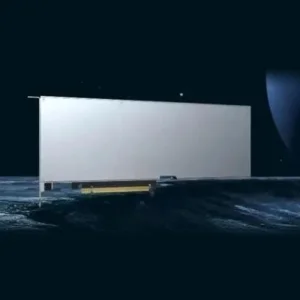
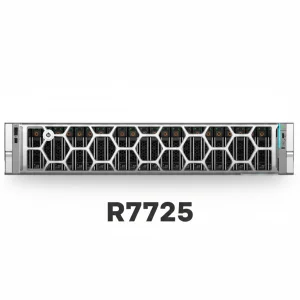
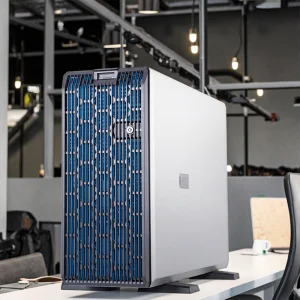
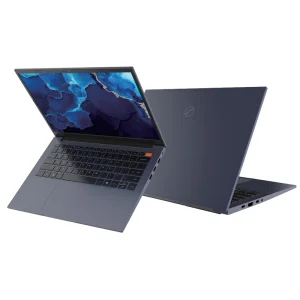
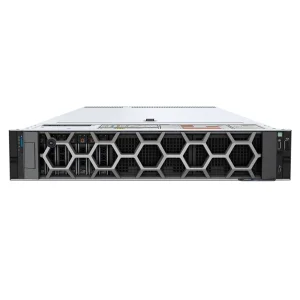
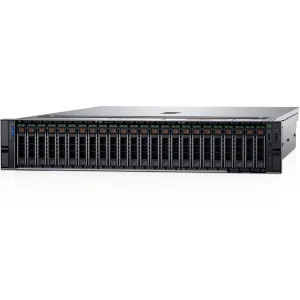
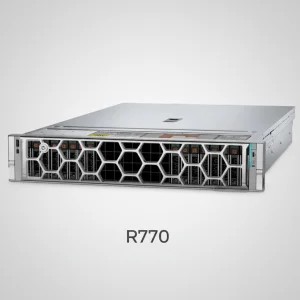
Real-time stereoscopic XR rendering pipelines, massive multiplayer interactive environments, and high-fidelity simulator graphics demand high-performance architectures. Explore our deployment solutions below:
Virtual Reality (VR) and Mixed Reality (MR) technologies have transitioned from niche gaming peripherals to critical operational assets in global commerce, simulation training, spatial CAD execution, and telemedicine. As an industry-leading CE-certified manufacturer, we construct the essential computational backbones and custom client configurations that translate high-complexity digital models into ultra-low-latency, zero-motion-sickness spatial experiences.
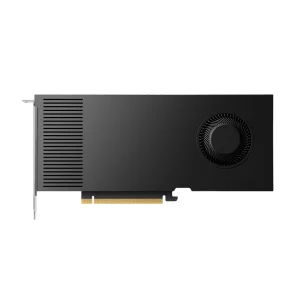
To deliver 90+ frames per second (FPS) per eye in spatial computing setups, raw compute rendering power is paramount. We focus on integrating high-end GPUs like the NVIDIA RTX 4000 Ada series and enterprise-grade servers to build the local rendering hubs, edge streaming arrays, and central data networks that sustain global VR deployments.
Convert large-scale mechanical CAD assemblies, architectural drafts, and high-fidelity digital twins instantly into collaborative VR environments with multi-user access.
Minimize local headset weight and thermal output by offloading processing to regional edge-rendering servers utilizing high-bandwidth cloud inference.
Compliance and physical safety are vital. Our hardware arrays maintain full European Conformity certification, guaranteeing electromagnetic isolation and thermal tolerances.
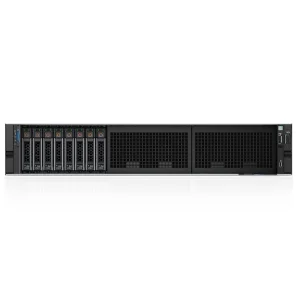
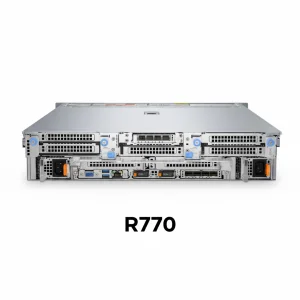
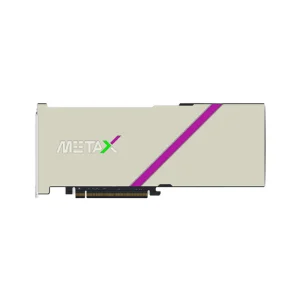
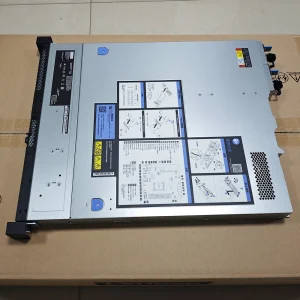
The industrial sector has progressed beyond simple virtual walk-throughs. Today's commercial environments demand live data bindings, real-time physics simulators, and photorealistic ray-traced materials. This relies on an integrated hardware stack—from high-density dual-socket servers managing complex simulation databases (such as the Dell PowerEdge R7725 or R770) to dedicated GPUs handling the heavy-duty visual computation (like the NVIDIA H-100 or domestic high-performance GPUs like Muxi Xisi N100).
We provide hardware that powers specialized local deployments across various critical sectors:
Operating within the world’s leading hardware ecosystem allows us to achieve unparalleled turn-around times, component matching precision, and quality control metrics. Based in China's key manufacturing corridor, our facility leverages localized sourcing chains to assemble, inspect, and certify advanced server units and rendering hardware.
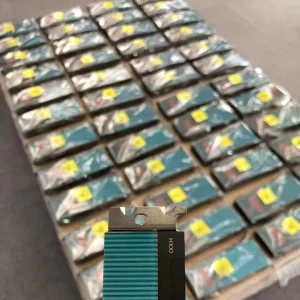
With over three years of dedicated export history to Eastern Europe, the Middle East, and Africa, we coordinate directly with engineering clients, wholesalers, and brand businesses. Every unit, whether a rackmount server hosting simulated virtual databases or an enterprise-grade GPU array, undergoes a thorough inspection cycle before dispatch. This systematic approach ensures raw material traceability, minimizing component failure rates to less than 0.1% globally.
Our specialized facility functions as a high-precision integration center and clean-room laboratory. Here, high-density computing components, multi-channel thermal cooling units, and server clusters are assembled, tested, and optimized for Virtual Reality rendering farms and edge network arrays.
The future of Virtual Reality rests on the convergence of advanced display tech, local edge-rendering, and AI-driven spatial generation. As computing requirements expand, our technology roadmap is designed to support the next wave of spatial infrastructure:
Deploying low-latency edge servers equipped with high-bandwidth graphic interfaces (800GB/s inference cards) to process local head tracking and hand kinematics, minimizing physical hardware load on headsets.
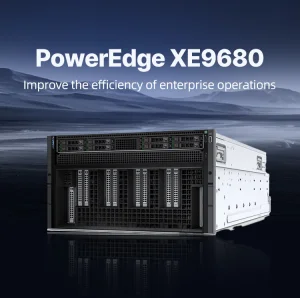
Integrating specialized AI training servers like the Dell XE9680 and H-100 systems to dynamically generate real-time 3D VR assets from text or voice commands, enabling fully responsive, evolving virtual worlds.
Expanding back-end server capacities to process multi-channel eye-tracking, foveated rendering systems, and neural data paths, demanding high-throughput data pipes and compute nodes.
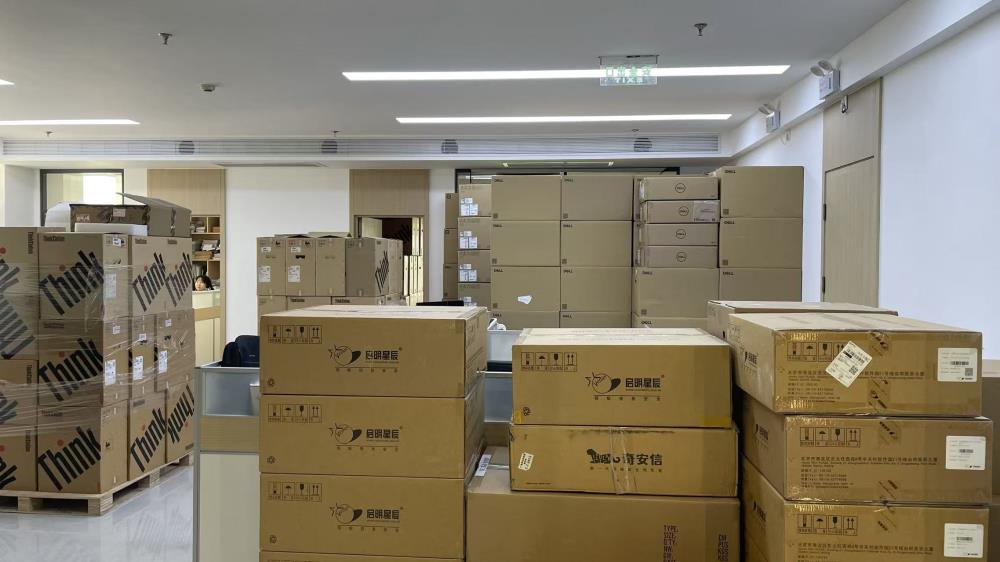
We operate under a transparent, quality-driven framework. Our specialized testing and assembly lab works alongside a network of 10 primary supply chain partners. This setup guarantees component availability, reliable delivery schedules, and rigorous compliance checks.




Explore technical answers regarding custom Virtual Reality hardware integration, server configurations, manufacturing compliance, and logistical arrangements.
CE certification indicates compliance with European Union health, safety, and environmental protection standards. For high-density computing platforms, it verifies that power distribution, electromagnetic emission levels, and heat dissipation meet safe thresholds. This protection is critical for enterprise, medical, and defense VR setups, protecting other network systems from signal disruption.
The NVIDIA RTX 4000 Ada (with 20GB VRAM) is built for professional 3D design pipelines. When integrated into VR networks, it supports real-time Ray Tracing, deep learning super sampling (DLSS), and hardware-accelerated video encoding. This allows complex CAD layouts or spatial digital twins to render seamlessly, preventing latency and rendering delay in VR headsets.
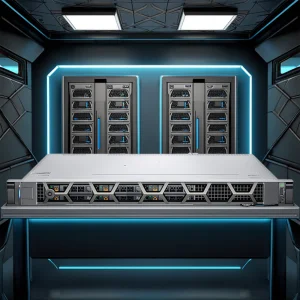
Rack servers function as the back-end computing nodes. They manage spatial coordination, player database storage, environmental physics, and asset loading. In Cloud XR edge networks, the servers render visual outputs and stream them as a compressed video format to the headset, enabling lightweight headsets to present highly detailed environments.
Our integration facility is ISO 9001 (Quality Management) and ISO 14001 (Environmental Management) certified. We inspect 100% of our production line. This process means every server, motherboard, graphic card, and cooling system runs through simulation workloads to verify performance stability under load before packing and shipping.
Yes, full raw material traceability is supported. We verify the sourcing lineage of crucial components, including specialized chipsets, capacitors, memory modules, and power supplies. This level of traceability helps corporate clients meet regional environmental, social, and governance (ESG) compliance requirements.
Browse our full range of enterprise servers, custom GPU rigs, and high-performance computing components configured for spatial simulation environments:
 Aiserver Manufacturer