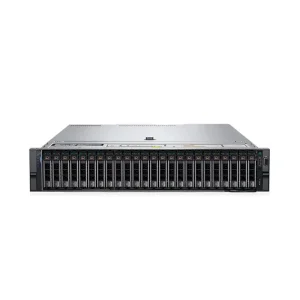
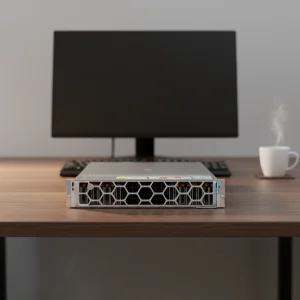
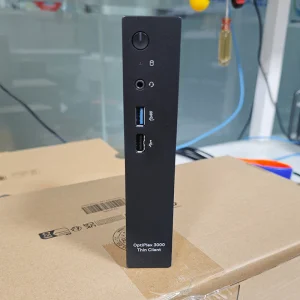
Featured components and system platforms serving as the backbone for modern distributed checkout grids, visual POS systems, and transaction databases.
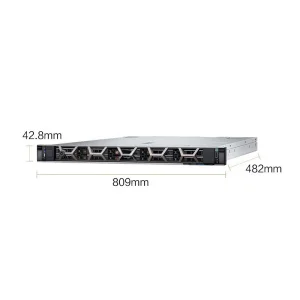
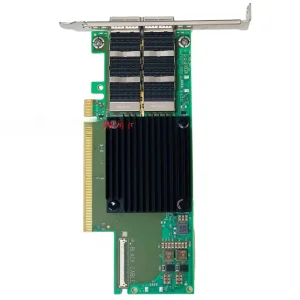
An authoritative breakdown on why contemporary POS infrastructure requires robust backend architecture, AI acceleration, and reliable enterprise partners.
In modern commerce, the phrase "Point of Sale (POS)" has moved far beyond the legacy concept of simple cash registers and isolated barcode scanners. Today, enterprise retail environments run on integrated local edge networks. These hybrid architectures run intelligent inventory databases, real-time customer behavior analytics, and low-latency transaction processing pipelines.
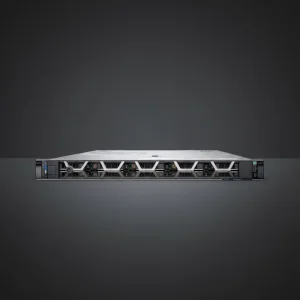
To keep brick-and-mortar locations functioning continuously, global brands install powerful, localized backend systems. High-reliability enterprise devices—such as the Dell PowerEdge R660 and specialized OptiPlex thin clients—serve as localized checkout nodes. They manage transaction volume, run real-time fraud checks, and update multi-tenant databases, keeping front-line registers online even when cloud connections drop.
Sourcing hardware from established Chinese distributors offers retail infrastructure buyers several distinct advantages:
Retail hardware is shifting toward deep-learning models and local AI inference engines. We highlight three core technologies steering this change:
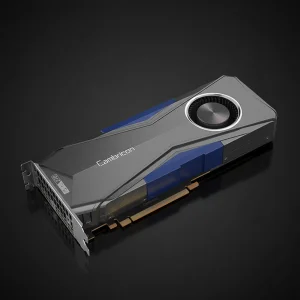
A. Visual AI and Frictionless Checkout: Modern self-checkout terminals use cameras and computer vision instead of traditional hand scanners. Accelerators like the Cambricon MLU270F4 AI Accelerator process multiple video feeds locally. This helps identify products quickly and prevents loss at the register.
B. Local Database Resiliency: High-volume retail depends on low-latency transactions. Flash storage systems like the Oceanstor Dorado 3000 V6 provide rapid access to local inventory data. This prevents line bottlenecks during peak hours.
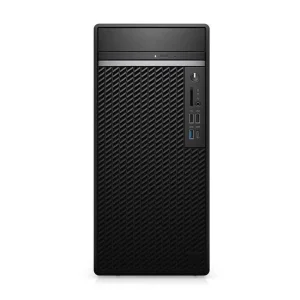
C. Miniaturized Enterprise Terminals: Thin clients, including the OptiPlex 3000 Thin Client, offer small-footprint solutions for retail counters. They save physical space while delivering the computing power needed to interface with backend database servers.
A transparent look at our operations, compliance frameworks, and export capacity.
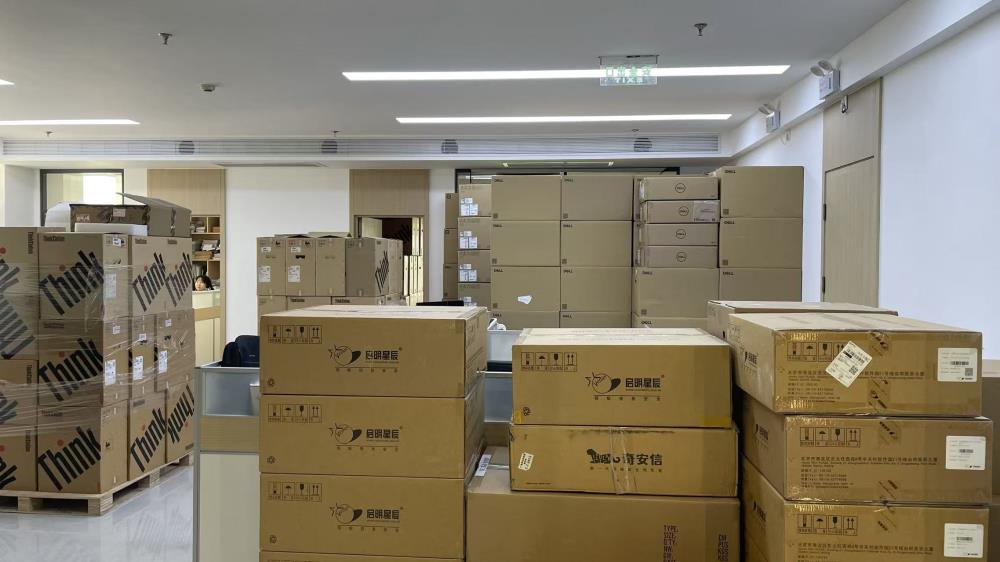
Operating from our 200m² facilities since 2023, our trade operations bridge international buyers with robust server and POS edge hardware. We employ a rigorous quality control framework where every single unit is fully inspected before shipment. With raw material traceability and dedicated QA/QC specialists, we prevent configuration errors and ensure hardware longevity.
Whether you are a retail brand business, an independent engineer, or a bulk wholesaler, our supply connections ensure you receive fully tested components configured to your region's requirements.

 ISO 14001
19824EJ1279R0S
ISO 14001
19824EJ1279R0S

 ISO 9001
19824QJ2897R0S
ISO 9001
19824QJ2897R0S
| Company Registration | 2023-04-10 |
| Floor Space | 200 ㎡ |
| Years Exporting | 3 Years |
| Main Markets | Eastern Europe (30%), Mid East (30%), Africa (20%) |
| QA/QC Inspectors | 1 Dedicated Inspector |
| R&D Strength | Graduate-level R&D engineering support |
| Inspection Methods | Complete 100% inspection on all products |
Combining front-end terminal hardware with backend database servers to create resilient, scalable retail environments.
Deploy space-saving, low-power terminal nodes directly to store checkout counters. Utilizing devices like the OptiPlex 3000 Thin Client and the highly durable OptiPlex XE4 Commercial platforms ensures consistent operation, simple hardware replacement, and central operating system administration.
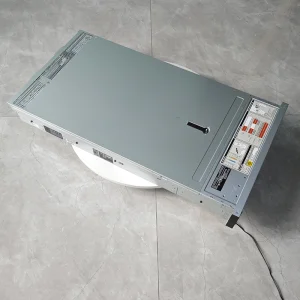
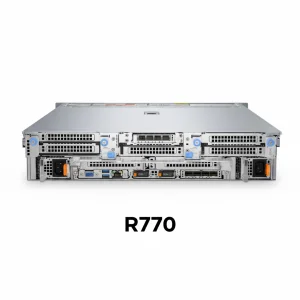
Local multi-lane grocery checkouts require local databases to manage transaction spikes. Using compact 1U systems like the Dell PowerEdge R660 or 2U options like the Dell PowerEdge R770 provides local store redundancy. They securely handle database synchronization, localized pricing tables, and staff log details.
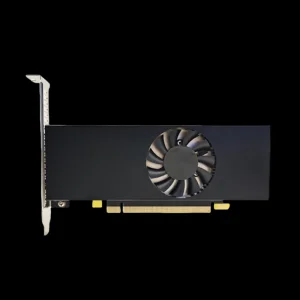
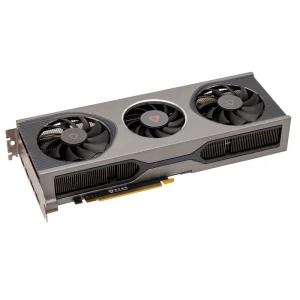
Adding dedicated GPUs like the RTX 3050 or MTT X300 enables POS lanes to run local computer vision models. These systems monitor checkout areas, verify scanned item shapes, and flag mis-scans instantly. This allows cashiers to address errors on-site, helping reduce inventory shrinkage.
Direct answers for procurement specialists and engineers setting up retail branch networks.
High-end components designed to power core processing databases, graphics execution, and real-time data analysis.
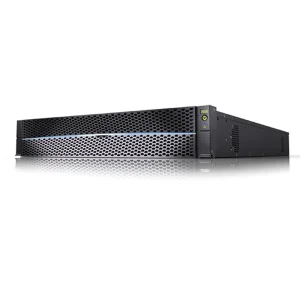
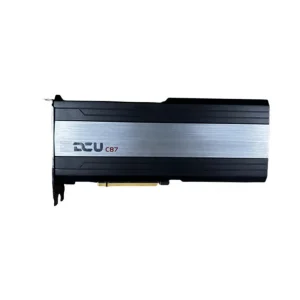
 Aiserver Manufacturer