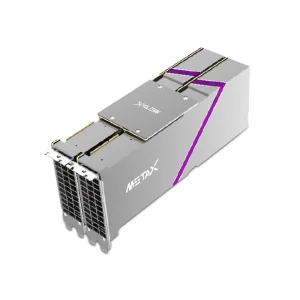
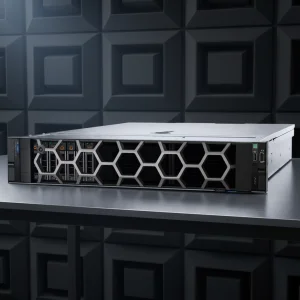
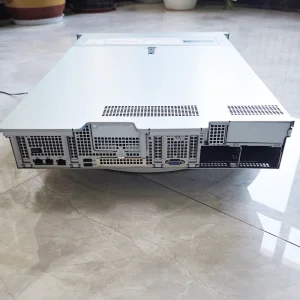
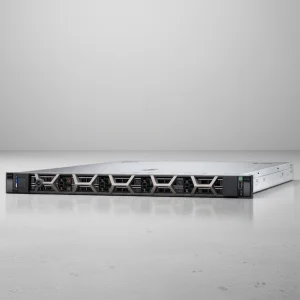
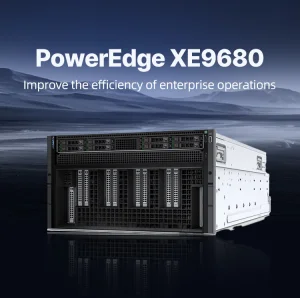
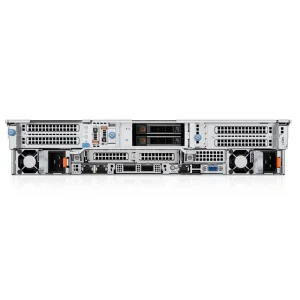
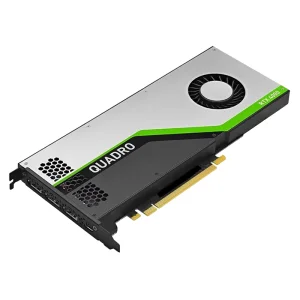
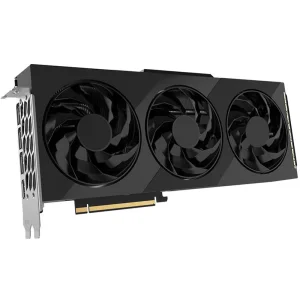
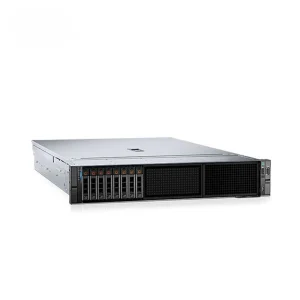
Explore our specialized catalog of server assemblies, high-capacity enterprise components, and high-performance processing hardware tailored for industrial clients.
In the contemporary digital landscape, data has surpassed traditional physical assets to become the primary currency of enterprise growth. Hyperscale cloud environments, high-frequency trading platforms, dense artificial intelligence nodes, and distributed industrial internet networks produce zettabytes of raw structured and unstructured data daily. Storing, querying, and securing this data requires far more than generic, off-the-shelf hard drives. It demands customized storage units optimized for specific server chassis configurations, workloads, thermal footprints, and read/write cycles.
As a leading custom OEM hard disk supplier, we recognize that raw capacity is merely one variable in a complex equation. Modern computing systems rely on custom storage architecture to minimize Latency Spikes, mitigate Rotational Vibration (RV), optimize heat dissipation, and maximize drive longevity. Standard consumer drives or mass-market enterprise drives often fail under the mechanical stresses of high-density 2U, 4U, or 6U server configurations containing up to 100 disk bays. When multiple high-performance hard disks spin simultaneously, internal harmonic resonance occurs. Without custom-engineered physical damping and firmware tuning, this resonance degrades storage throughput, leading to write errors, head-positioning delays, and early mechanical failure.
Furthermore, custom OEM storage addresses the critical issue of firmware personalization. Every hyper-scaler operates on custom-configured hypervisors and storage-managed file systems (such as Ceph, Lustre, or ZFS). Standard drive firmware may not correctly report S.M.A.R.T telemetry variables, or it might initiate aggressive background garbage collection at inopportune moments, blocking critical I/O threads. Custom OEM drive firmware allows us to program custom write-cache policies, power-saving states (APM), command queuing limits (NCQ), and specific read-retry thresholds. This ensures that the storage subsystems remain highly responsive and tightly integrated with the parent operating system, providing a massive advantage in total cost of ownership (TCO) and quality of service (QoS).
"True storage efficiency is achieved at the intersection of tailored physical mechanical designs and firmware optimization. Off-the-shelf components can no longer support the specialized demands of AI-era enterprise servers."
Mapping the transition from PMR to next-generation thermal-assisted recording systems and PCIe/SAS physical boundaries.
By integrating a tiny laser diode onto the recording head, HAMR heats the storage platter to make it temporarily receptive to magnetic charges at extremely small scales. This achieves aerial densities exceeding 2 Terabits per square inch, raising single-drive capacities to 30TB, 40TB, and beyond in the coming decade.
MAMR utilizes a spin-torque oscillator on the write head to generate a microwave field, lowering the coercivity of the platter media without requiring high heat. This provides a highly reliable manufacturing process with less thermal stress on components, ideally suited for enterprise continuous-write environments.
To prevent read/write bottlenecks in massive capacity drives, multi-actuator designs split the drive heads into two or more independently operating assemblies. This effectively doubles the IOPS performance and sequential throughput, matching the data delivery requirements of modern PCIe and SAS architectures.
| Storage Class | Primary Technology | Interface Protocol | Target Workload Type | Optimal Bay Count |
|---|---|---|---|---|
| High-Capacity Cold Storage | SMR / PMR + Helium | SATA III / SAS 12G | Archival, backup datasets, static media | 24 to 60+ Bays |
| Enterprise Tier-1 Storage | HAMR / MAMR / PMR | SAS 12G / SAS 24G | High-performance databases, VM pools | 12 to 24 Bays |
| Ultra-Low Latency Solid State | 3D TLC/QLC NAND | NVMe PCIe Gen4 / Gen5 | AI training, real-time analytics, indexing | 8 to 24 Bays |
Different industrial segments face distinct operational profiles, which is why customized storage design is critical to success. In the Cloud Services Provider (CSP) space, the primary metric is density per rack unit. High-density storage arrays require hard disks filled with helium gas rather than standard ambient air. Helium has only one-seventh the density of air, which significantly reduces the aerodynamic drag on the internal spinning platters. This allows the drive motors to draw up to 30% less power, lowering overall rack electricity costs and mitigating heat build-up. We integrate helium technology and customize internal motor settings to ensure long-term stability in dense multi-bay rack configurations.
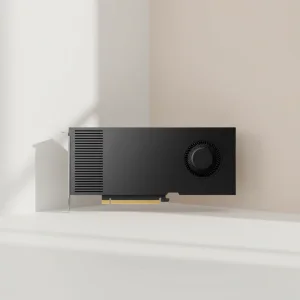
In the field of AI Training and Inference, storage is the foundation of high-performance pipelines. Massive AI datasets containing billions of parameters must be continuously read from local storage nodes and fed directly to graphics processing systems like the NVIDIA RTX 4000 Ada or the large-scale H-200NVL 141GB. An I/O bottleneck at the storage tier leaves expensive GPU arrays idling. Our OEM solutions build hybrid storage tiers where high-capacity mechanical drives act as the cold backend pool, integrated with NVMe PCIe Gen 4/5 SSD caches. This guarantees that training workloads enjoy sustained high-throughput read operations without interruption.
For Smart Cities and Edge IP Video Surveillance, the requirements shift towards sequential write endurance. Surveillance systems run continuous write cycles 24/7/365, writing multiple video streams simultaneously. Standard drives fail under these conditions due to write-head exhaustion and localized thermal degradation. Our customized surveillance hard drives incorporate firmware optimized with ATA Streaming Command set support. This prioritizes write speed and frame continuity over recovery mechanisms that might stall the drive, ensuring that not a single frame is dropped, even in high-throughput environments.
Finally, Financial Institutions and Government Bodies prioritize data security and absolute compliance. Storage drives in these sectors must feature hardware-level encryption (SED) and instantly trigger secure sanitization routines (Instant Secure Erase) to prevent physical data theft during disposal. We supply drives conforming to the TCG Enterprise security specifications, ensuring complete hardware-level cryptographic isolation, fully independent of the system CPU or host OS overhead.
Underpinned by modern quality-control infrastructure, traceable assembly pipelines, and strict environmental certifications.
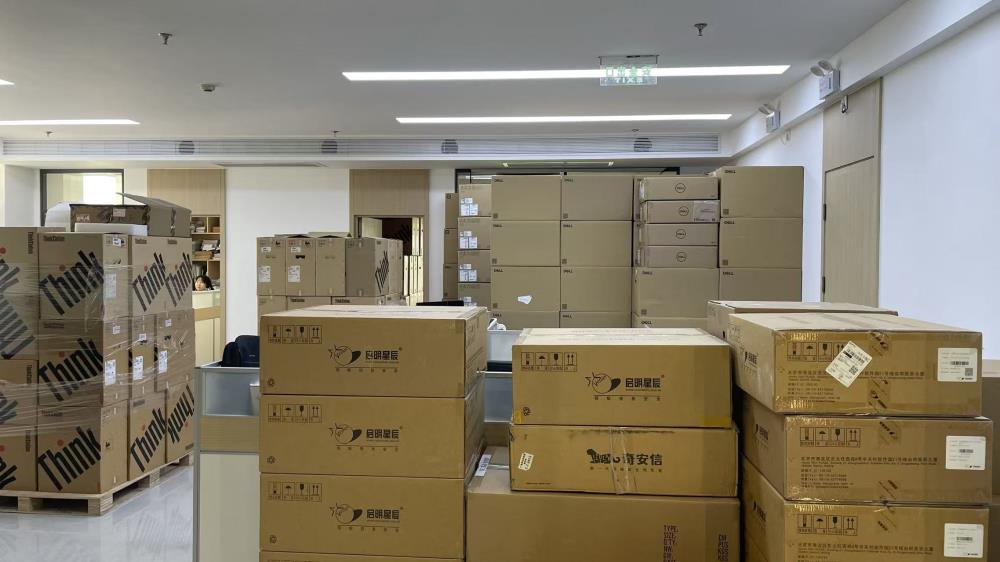
Established on April 10, 2023, our modern manufacturing and staging facility utilizes an advanced testing floor dedicated to storage validation, custom firmware flashing, and full server integration. Every custom hard disk that exits our facility undergoes a rigorous quality control check, moving away from simple sample testing to a comprehensive 100% inspection methodology. Our dedicated QA/QC inspector oversees the testing process, utilizing automated burn-in chambers, custom vibration tables, and high-frequency interface testers. This ensures that every hard disk, controller card, and server assembly performs reliably under pressure.
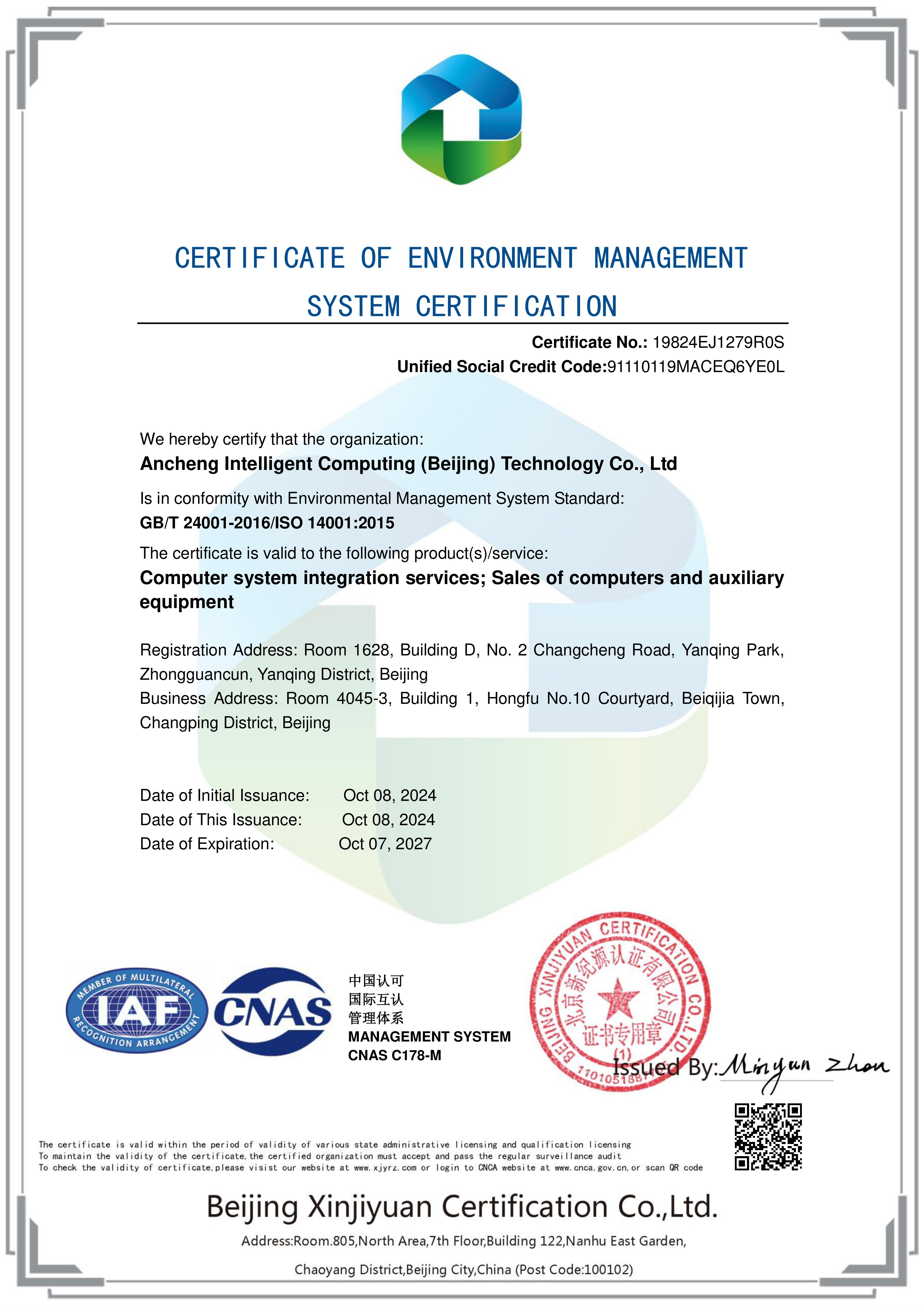
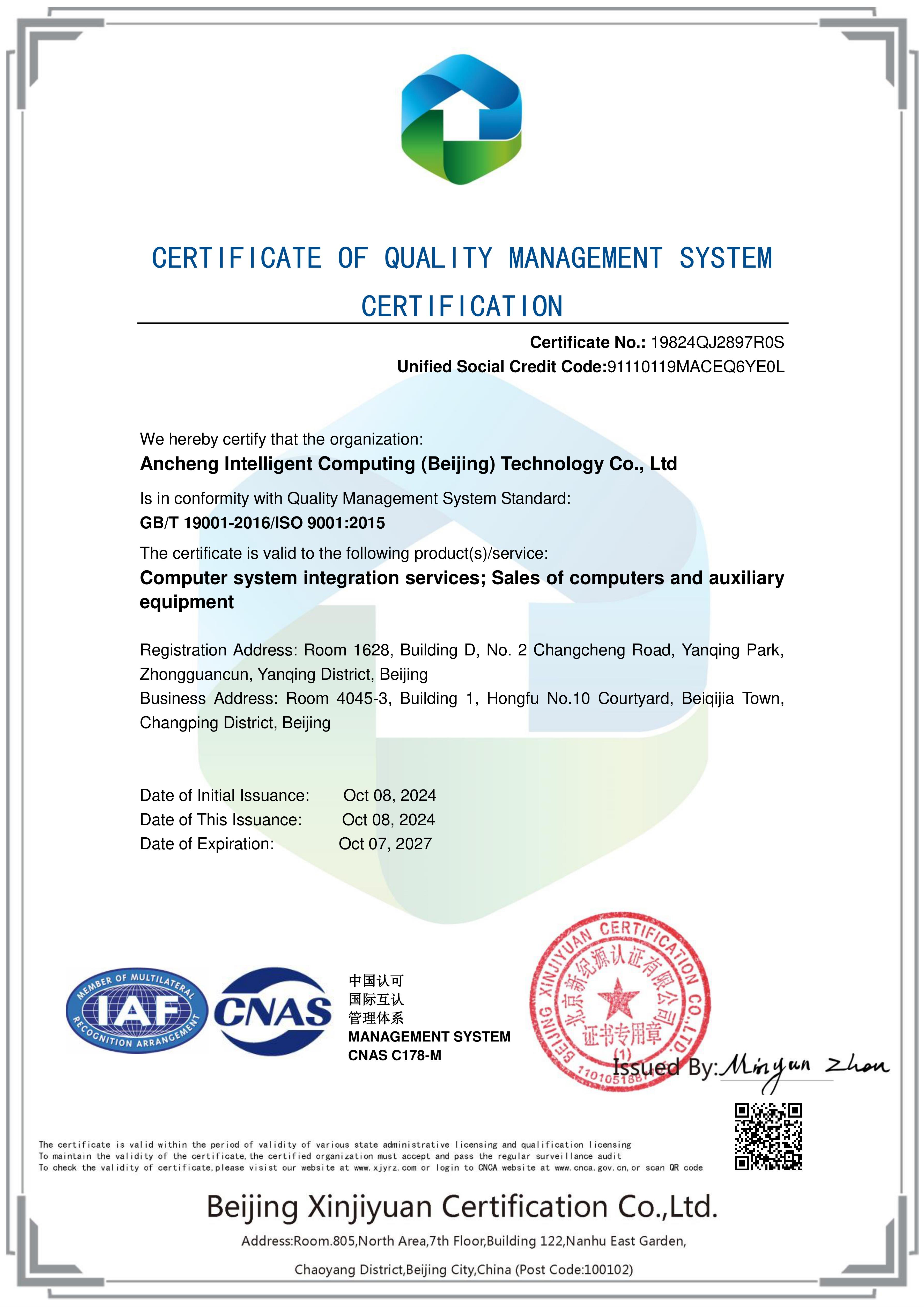
Our operations are structured under international standards, backed by official certifications: ISO 9001 (Quality Management System, Certificate No: 19824QJ2897R0S) and ISO 14001 (Environmental Management System, Certificate No: 19824EJ1279R0S). These certifications guide our manufacturing, waste disposal, and energy-management protocols, ensuring we maintain a clean and sustainable production line.

For global procurement managers, system integrators, and brand owners, purchasing hard disks involves balancing raw acquisition costs with overall system compatibility and longevity. The total cost of ownership (TCO) of enterprise storage goes beyond the initial price per terabyte. It includes long-term power consumption, cooling costs, and failure rates (Annualized Failure Rate - AFR). Procuring generic storage without customized thermal profiles or vibration resistance can lead to higher drive replacement rates, increasing maintenance costs and risking data redundancy failures.
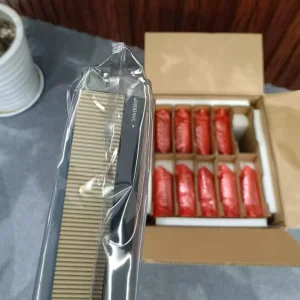
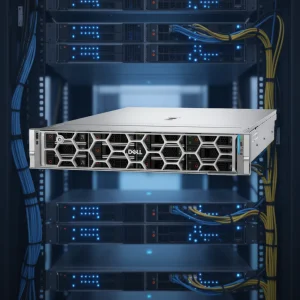
Our OEM services address this by offering customized packaging, custom branding, and pre-flashed asset-tagging systems. System builders can receive drives that are ready for immediate deployment in specialized machines, such as the Dell PowerEdge R760xs or high-density rack systems, without requiring manual firmware adjustments or configuration. This streamlines the deployment pipeline and reduces integration errors.
Additionally, we maintain a robust network of 10 primary supply chain partners, ensuring a steady flow of high-grade, traceably-sourced components even during market supply fluctuations. This level of supply chain integration allows us to offer consistent pricing structures and reliable delivery times to brand owners, wholesalers, and engineers worldwide. Rather than acting as a simple vendor, we function as a strategic manufacturing partner, aligning our production cycles with your product roadmaps to ensure a stable supply of storage components year-round.
"By structuring our supply chain to support dual-channel component sourcing, we maintain component availability even during global hardware allocation periods."
Deploying storage hardware globally requires strict adherence to international safety and environmental standards. Every drive and server chassis assembly we manufacture is fully compliant with CE, FCC, RoHS, and WEEE regulations, facilitating smooth customs clearance and regulatory approval in key markets across Eastern Europe, the Middle East, and Africa. We manage all compliance documentation, raw material declaration sheets, and certification logs, allowing our clients to focus on their core operations.
To support global deployments, our primary communication, documentation, and technical support services are provided in English. We supply localized user guides, mounting kits, and label packaging customized to regional standards. Additionally, our engineering support team is available to assist with integration challenges, firmware updates, and regulatory compliance queries, ensuring your deployment processes run smoothly.
Answers to common technical and logistical questions from server engineers, procurement officers, and system integrators.
Browse our broader catalog of high-density servers, network storage arrays, processors, and professional graphics cards.
 Aiserver Manufacturer