Explore our high-performance computational hardware, custom graphics boards, and rackmount enterprise servers tailored for custom OEM integrations.
Deep-dive analysis of custom storage integration, hardware lifecycle parity, and system compatibility within the modern data center landscape.
In the rapidly changing landscape of enterprise data management, relying on off-the-shelf storage systems often limits performance. Modern enterprise systems—whether powering large-scale artificial intelligence models, real-time data warehouses, or hybrid cloud environments—require highly customized infrastructure. This custom infrastructure must balance physical footprint, thermal limits, power distribution, and low-latency storage access. Our capabilities as a specialized Custom OEM HPE Storage Manufacturer and Factory address these challenges by providing specialized storage and server designs tailored for performance-critical environments.
We build storage solutions optimized for workloads that standard configurations cannot support. By designing systems with precise physical and logical layouts, we ensure high compatibility with Hewlett Packard Enterprise (HPE) storage ecosystem topologies. This includes full support for SAS/SATA/NVMe configurations, custom enclosure management processors, optimized BIOS settings, and specific hardware acceleration integrations. Our engineering processes are designed to integrate seamlessly into existing HPE storage networks, ensuring that high-throughput storage remains highly reliable and maintainable.
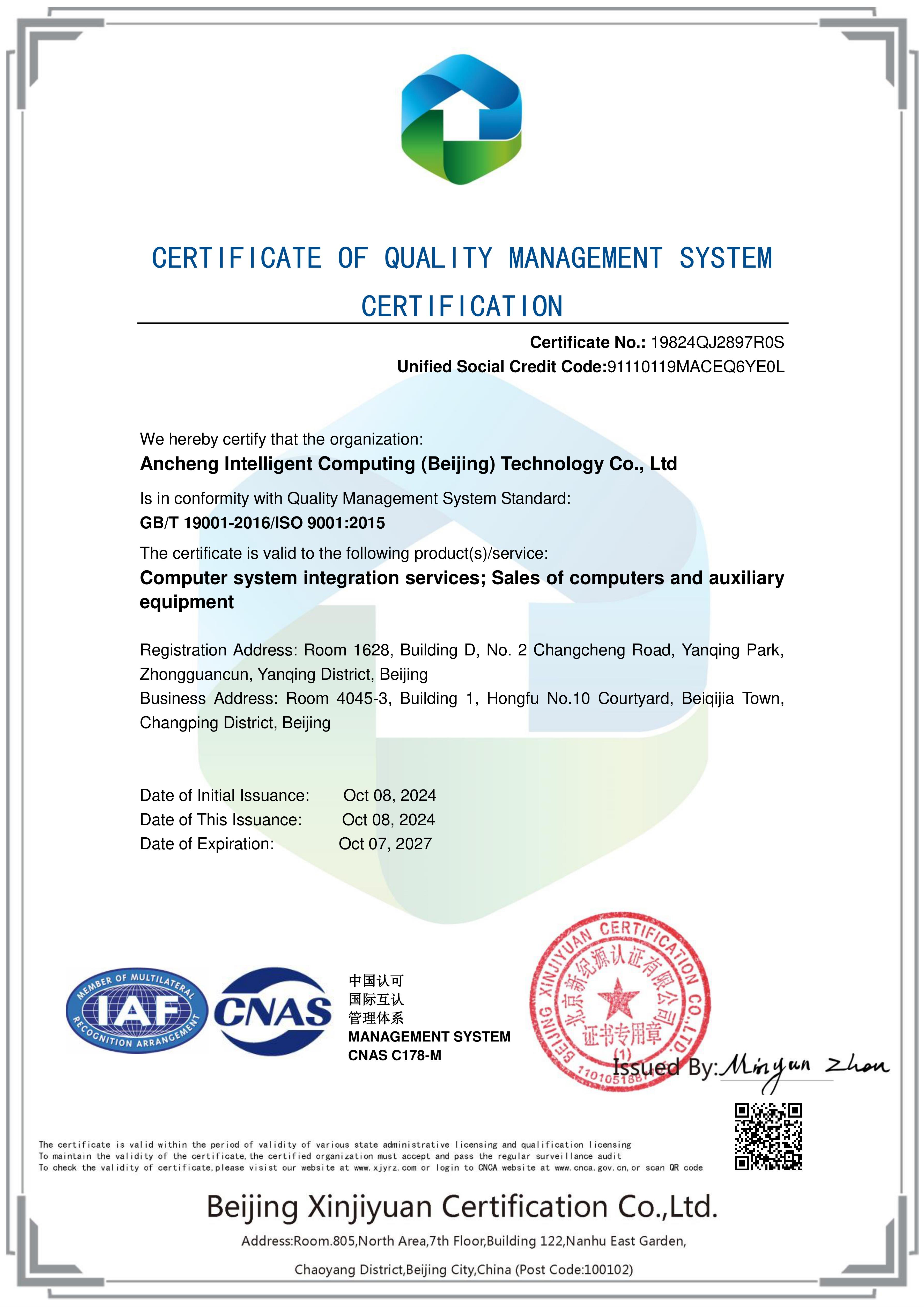
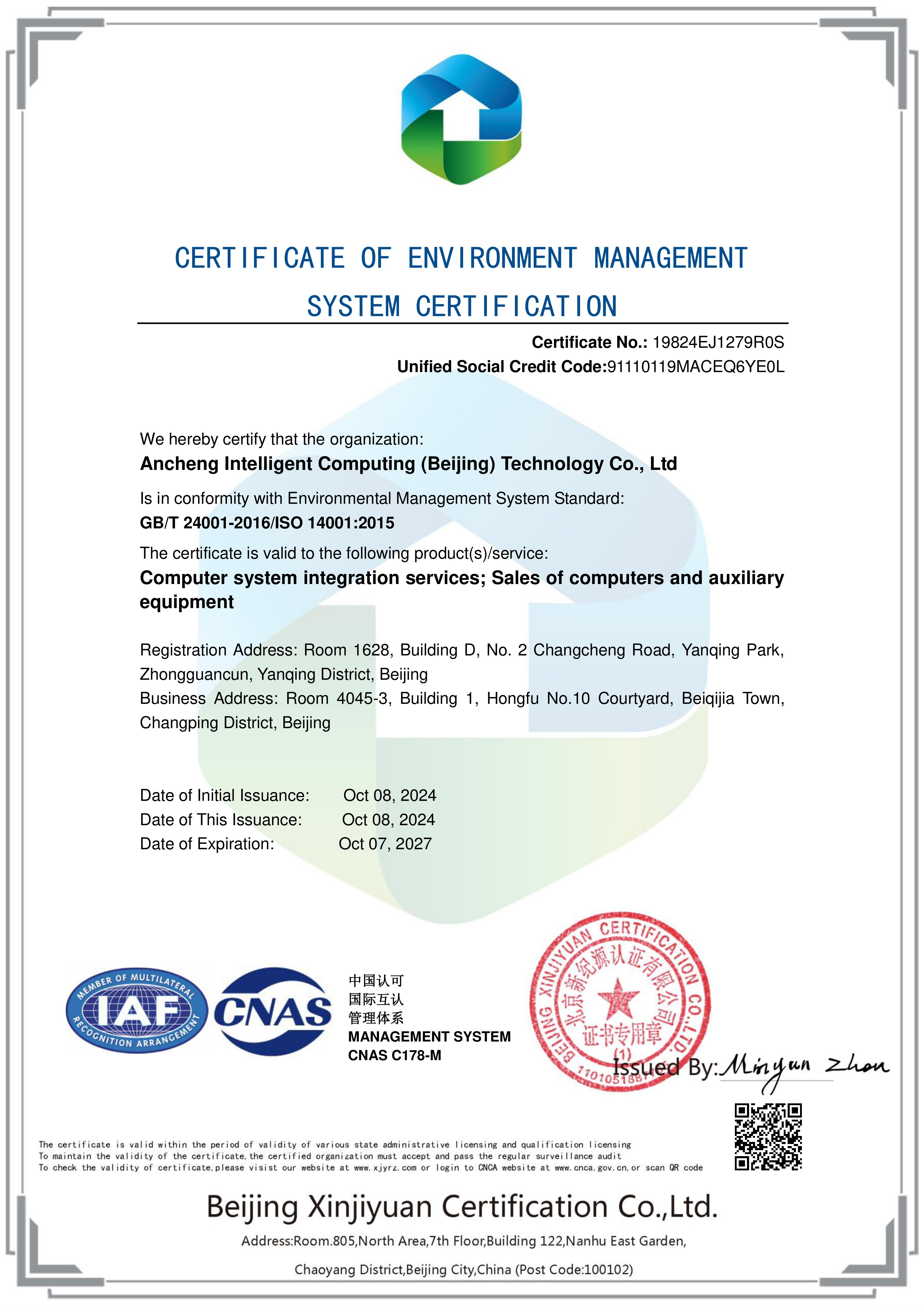
Reliability is critical for enterprise data storage. Through our ISO 9001 and ISO 14001 certified facilities, we maintain strict manufacturing practices. From component tracing to final burn-in testing, every controller, backplane, and riser card undergoes rigorous validation. Our engineering teams design custom server platforms, high-performance GPU enclosures, and hyper-converged infrastructure nodes that match the design and operational standards of Tier-1 enterprise manufacturers.
How organizations optimize capital expenditures, guarantee long-term system availability, and manage high-volume custom chassis production.
Global enterprise procurement teams face the difficult task of balancing hardware acquisition costs with long-term reliability and performance. In the storage domain, this challenge is magnified by rapid shifts in drive technology, evolving NVMe interfaces, and the rise of AI-driven data demands. Traditional procurement models often lock enterprises into closed systems with high upgrade pricing and limited options for specialized physical hardware.
Our OEM factory model resolves these issues by offering complete hardware customization. We supply systems configured for specific data center environments:
We configure custom motherboard layouts and PCIe riser designs to support precise combinations of network adapters, host bus adapters (HBAs), and hardware controllers.
Our chassis options include custom 2.5-inch (SFF) and 3.5-inch (LFF) drive counts, hybrid flash/HDD storage pools, and low-latency NVMe backplanes.
We match cooling system layouts and power supply configurations (such as AC/DC titanium-grade redundant power units) to specific operational environments.
By focusing on these specific design variables, procurement managers can match their hardware platforms to their software requirements. This approach avoids the cost of unused features and components, allowing enterprises to focus resources where they improve performance most.
Addressing the challenges of large-scale cloud operations, industrial IoT edge computing, and AI-driven storage systems.
Enterprise data requirements vary significantly across different industries. A standard rackmount system configured for general office virtualization is often poorly suited for high-temperature manufacturing sites or low-latency financial transaction platforms.
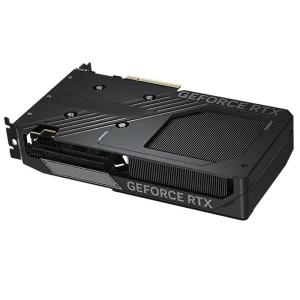
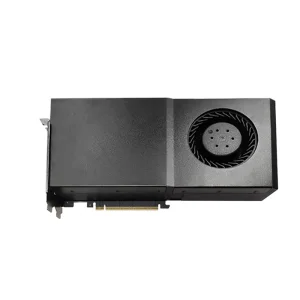
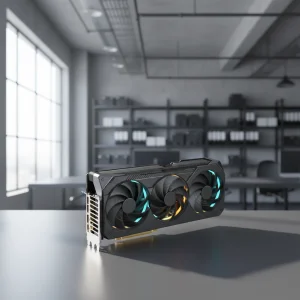
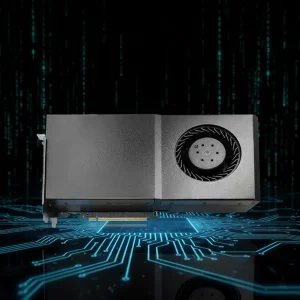
AI model training and real-time inference generate massive data streams. System configurations must provide fast data pathways from storage drives to GPU memory. Solutions like the H-100NVL 94GB PCIe GPU or RTX 5090 32GB Turbo require high-throughput system interfaces. Our custom designs utilize direct PCIe Gen 5 routing, minimizing latency and eliminating storage-to-GPU bottlenecks.
Smart city systems integrate surveillance feeds, traffic control systems, and emergency network communication. This requires localized storage that is both reliable and scalable. Our systems support HCI options like the EMC VxRail E660F software platform, enabling municipal developers to combine compute, storage, and networking into a single, high-density system footprint.
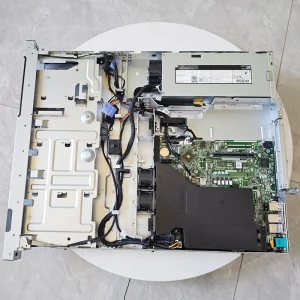
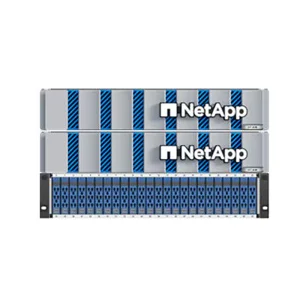
Financial transaction systems require high drive endurance and consistent write performance. For these demanding workloads, we assemble NVMe-optimized rackmount configurations based on platforms like the Dell PowerEdge R7525 and NetApp AFF A70. These setups deliver high input/output operations per second (IOPS) while maintaining data integrity through end-to-end CRC validation.
Next-generation hardware advancements: PCIe 6.0, CXL interconnects, and liquid-cooling solutions for dense compute arrays.
As computing platforms evolve, our engineering team continuously updates our product roadmap. These design updates ensure that our custom enclosures and backplanes remain compatible with upcoming system components, helping to protect your hardware investments.
Compute Express Link (CXL) is changing how systems share memory and storage resources. By establishing a shared memory pool between host CPUs and high-performance PCIe cards, CXL reduces latency and simplifies software integration. Our upcoming server chassis designs feature dedicated CXL switch chips. This allows external storage drives and system accelerators to share memory pools, optimizing performance for memory-intensive enterprise tasks.
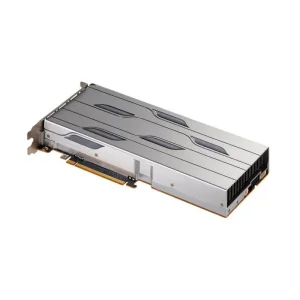
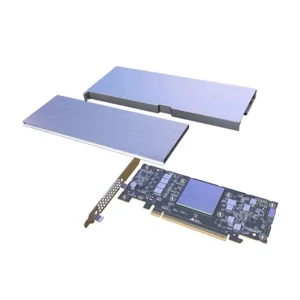
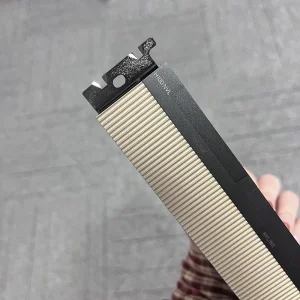
Modern processors and GPU accelerators generate significant heat. Standard air cooling is often insufficient for dense rack systems. To address this, we design hybrid cooling layouts, including specialized liquid-to-air loop configurations and custom passive cooling designs (such as our 250W Graphics Card Passive Cooling GPU). These designs ensure components run within their optimal temperature ranges, preventing thermal throttling and extending hardware life.
Operational transparency, manufacturing standards, and components verified for global distribution.
We manufacture storage and server systems to meet rigorous industrial standards. This commitment is reflected in our certifications and strict quality control processes. Every component in our systems—from motherboard traces to drive bay locks—is tracked and tested.
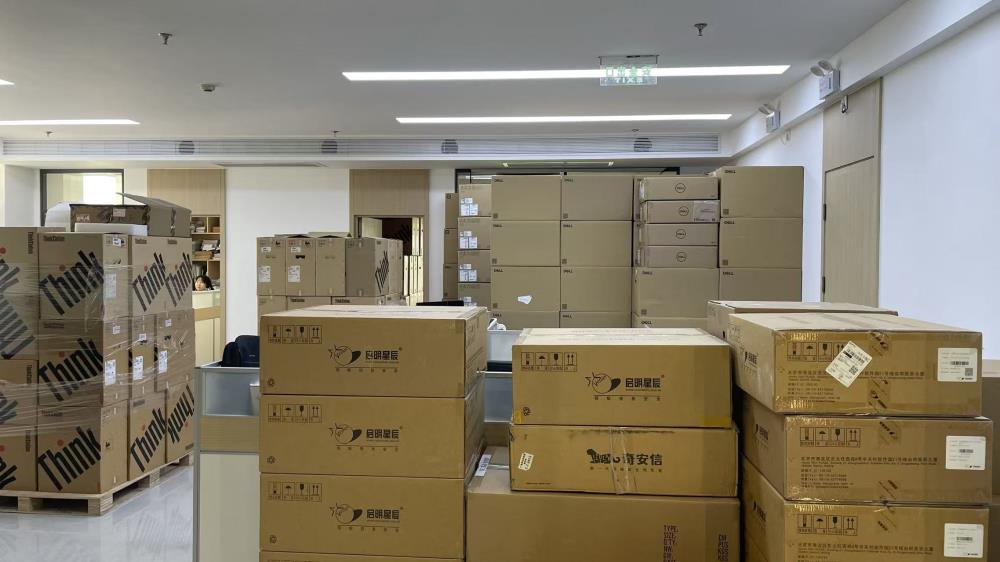
Our facility is configured for low-latency hardware assembly, system verification, and software testing. A clean-room assembly area minimizes static discharge risk, protecting sensitive server components during assembly.
| Established Date | 2023-04-10 |
| Facility Area | 200 m² (Assembly & Quality Inspection Hub) |
| Export Experience | 3 Years in Global IT distribution |
| Languages Supported | English (Engineering & Sales Support) |
| Testing Strategy | 100% Inspection & Burn-in Validation |
| Target Markets | Eastern Europe (30%), Middle East (30%), Africa (20%) |
Our quality management systems are certified to meet international environmental and operational standards.


Navigating environmental laws, data sovereignty rules, and regional import guidelines.
Enterprise data systems must comply with local regulations wherever they are deployed. Global storage networks often face regional import rules, environmental laws, and data security mandates.
Our factory coordinates with logistics partners to ensure all shipments comply with regional requirements. Whether shipping to Eastern Europe, the Middle East, or Africa, we verify that all hardware carries the necessary certifications for safe import and operation.
In terms of data security, our configurations allow custom hardware-level encryption and secure boot options. This helps enterprises meet local data storage requirements, ensuring sensitive records remain protected on verified hardware.
Common questions regarding hardware compatibility, design customization, and testing processes.
Accelerated system components, high-density processors, and all-flash network configurations for enterprise applications.

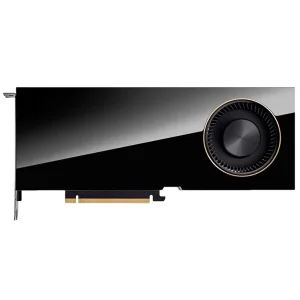
 Aiserver Manufacturer