Industrial Grade Servers, High-Throughput Switches, and Advanced Processing Systems for Scalable Colocation Deployments
Aligning Custom Hardware Integration with High-Density Multi-Tenant Architectures
In the current technological landscape, traditional off-the-shelf data center structures are no longer sufficient to meet modern performance requirements. As AI workloads, deep learning architectures, and high-frequency transactions expand exponentially, the global infrastructure supply chain must shift from static configurations to highly dynamic, tailormade engineering. This is where OEM/ODM Colocation Services act as a critical link. They provide the necessary bridge between custom silicon/hardware architecture and the structural environments of multi-tenant data center operators.
As a leading OEM/ODM Colocation Services Exporter, we customize physical computing hardware, high-density server rack layouts, network topologies, and thermal management units to match the exact dimensional and electrical standards of global hyperscale hosts. This level of customization allows enterprises to optimize their hardware performance while avoiding the high costs of building proprietary on-premise infrastructure. By customizing the hardware configurations directly at the source, we help companies reduce their Total Cost of Ownership (TCO) and accelerate their deployment speeds.
Global IT leaders face a range of challenges when deploying custom physical infrastructure in multi-tenant data centers. Common bottlenecks include mismatching server chassis depths, power distribution units (PDUs) that cannot handle transient GPU power spikes, and fiber optic cabling layouts that restrict airflow. Our design-and-export workflows resolve these issues before the hardware arrives at the loading dock. By using standard OCP (Open Compute Project) form factors alongside customized structural designs, we ensure that every system integrates cleanly into standard 19-inch or 21-inch cabinets. This approach prevents configuration delays, helps control costs, and ensures a smoother setup process.
Optimizing Server and Network Architecture Across Diversified Vertical Markets
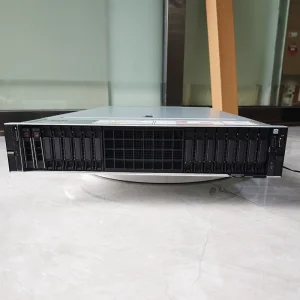
We build high-performance GPU systems designed for deep learning frameworks. Our server chassis are optimized for the thermal demands of multiple dense accelerators, providing direct airflow paths and accommodating high-wattage power distribution units.
For high-frequency trading and secure financial databases, we supply network switches and servers configured for ultra-low latency. Our hardware options support hardware-level encryption and customized network interface cards (NICs).
We offer smaller, ruggedized compute systems suited for space-constrained edge locations and regional telecom centers. These units feature dust filtration, broad temperature tolerances, and flexible power options (AC/DC).
Combining Automated Manufacturing with Strict Quality Control Standards
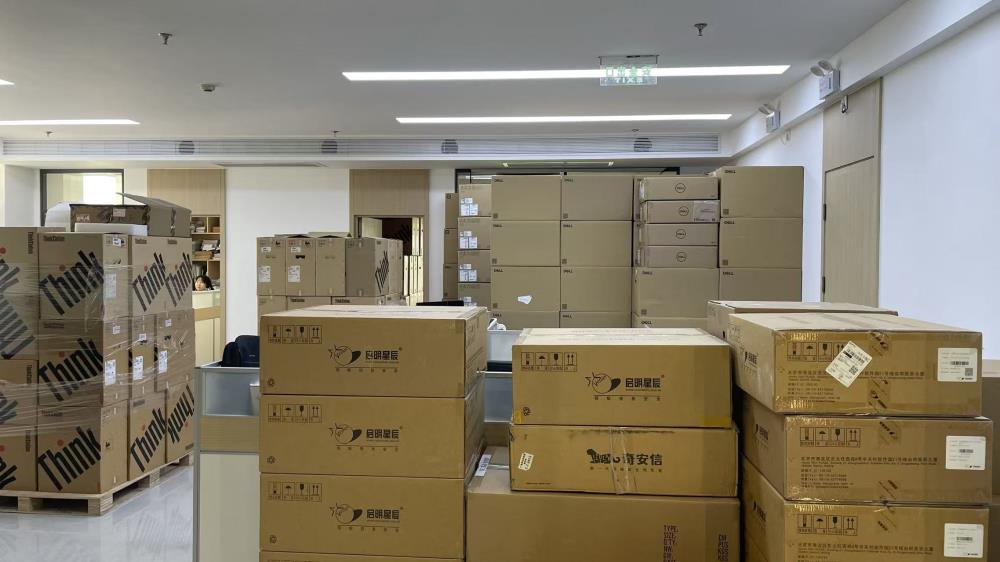
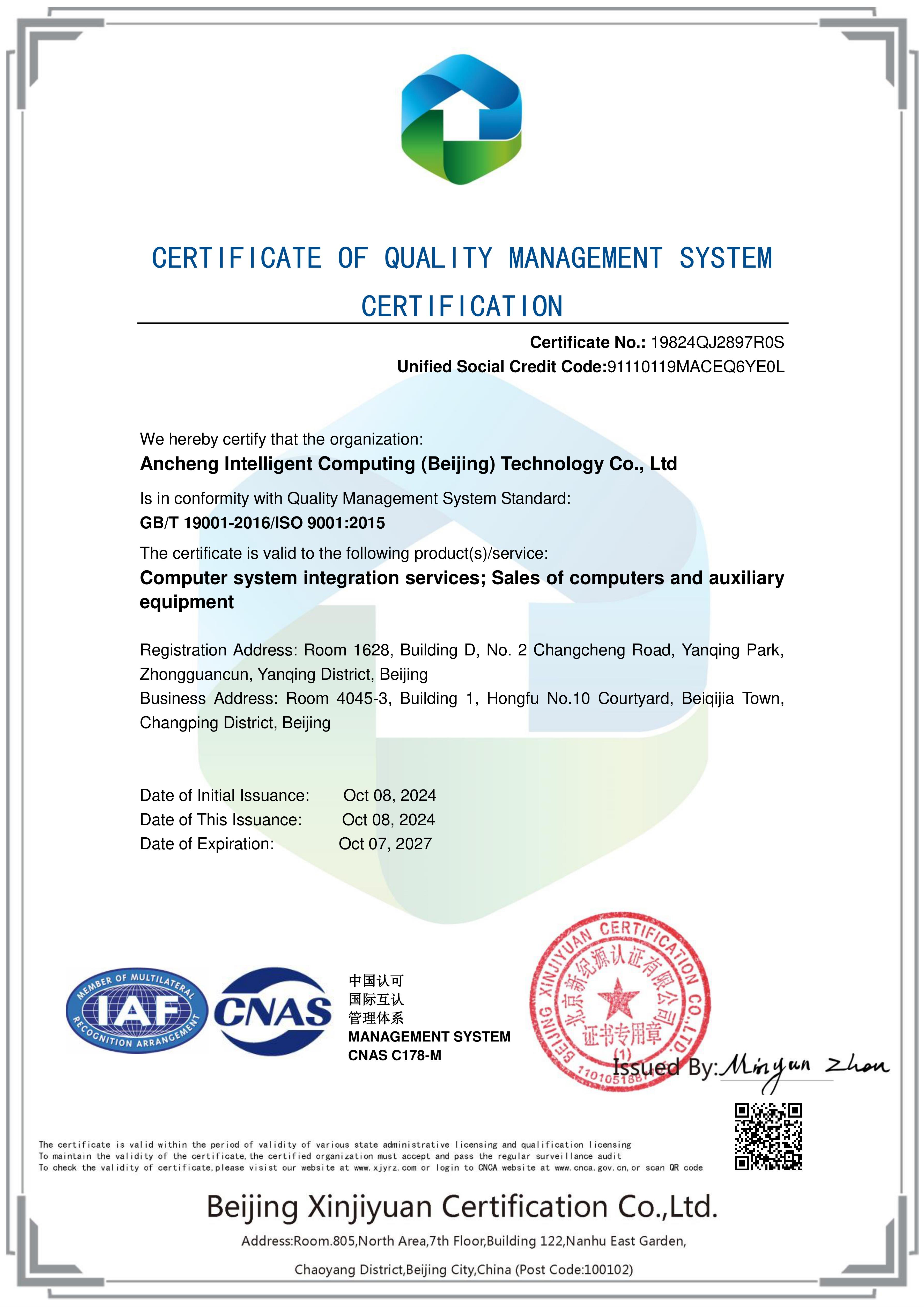
Our manufacturing and integration operations are built on a modern Factory 4.0 model, engineered to maintain consistency and quality at scale. Even within a specialized footprint, our processes utilize automated optical inspection (AOI), robotic component placement, and dynamic software-driven burn-in testing to ensure hardware reliability before shipment.
We focus on supply chain transparency, starting with raw material procurement. Every batch of copper, PCB substrate, memory chip, and capacitor is tracked from the component manufacturer through assembly and final testing. This traceability reduces component-level failures and gives our international partners the assurance that their custom servers meet all performance and reliability specifications.
Verified Credentials, Operational Capacities, and Compliance Audits


Pioneering Next-Generation Cooling, High Density Architectures, and Carbon-Neutral Colocation Hardware
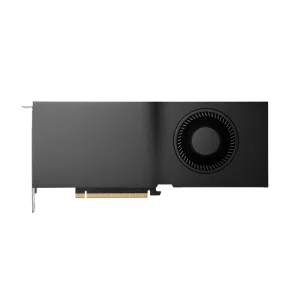
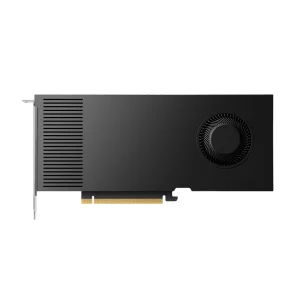
Modern high-density computing is pushing the limits of traditional air cooling methods. Racks that house high-end GPUs like the NVIDIA RTX 4500/4000 Ada and the Kunlunxin R200-8F XPU can exceed 30kW in power consumption, requiring new approaches to thermal management. Our technical roadmap focuses on integrating liquid-to-air and direct-to-chip (D2C) liquid cooling manifolds directly into our custom server designs. This design work helps colocation operators keep their Power Usage Effectiveness (PUE) below 1.15, even under heavy, continuous processing loads.
Over the next few years, our engineering team is focusing on several key areas:
Meeting International Standards for Global Deployment
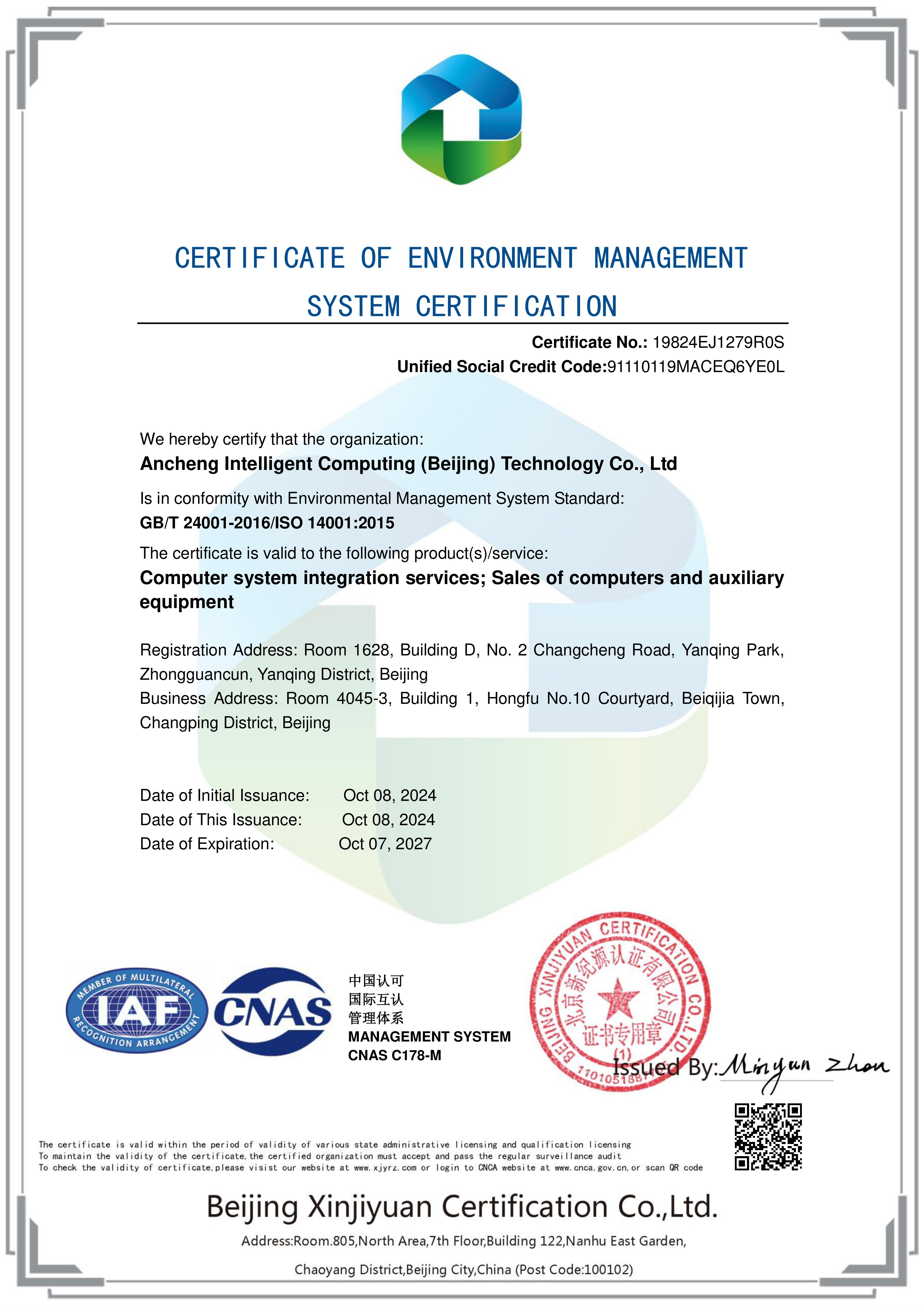
Exporting high-performance computing hardware globally requires strict adherence to regional standards and regulations. Different markets, from Eastern Europe to the Middle East and Africa, have distinct requirements for electromagnetic compatibility, safety testing, and environmental impact. We ensure our custom ODM hardware meets these expectations from the early design stages.
Our compliance framework covers several key standards:
Expert Answers to Help Inform Your Next Hardware Deployment
High-Density Computing Units, High-Efficiency Workstations, and Scale-Out Architecture Components
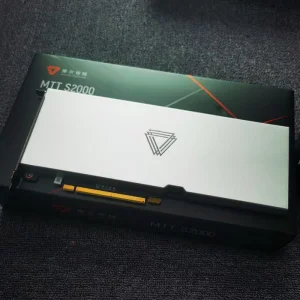
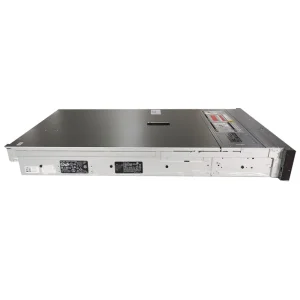
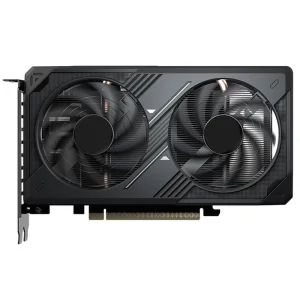
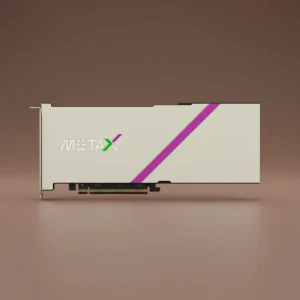
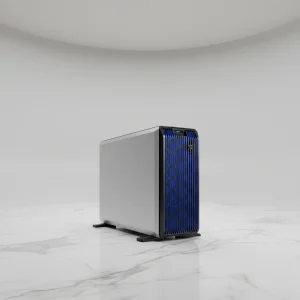
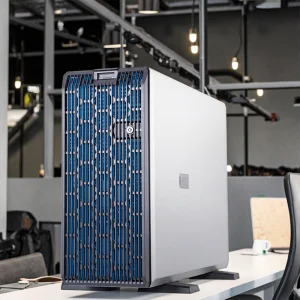
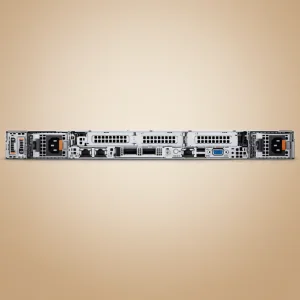
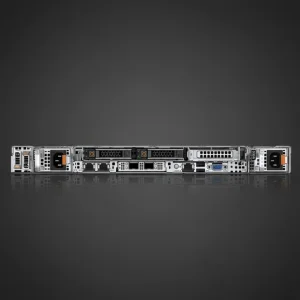
 Aiserver Manufacturer