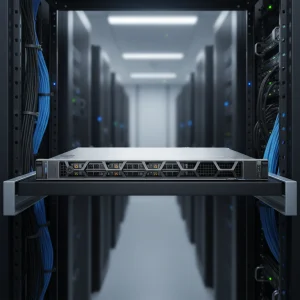
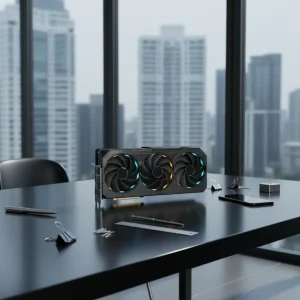
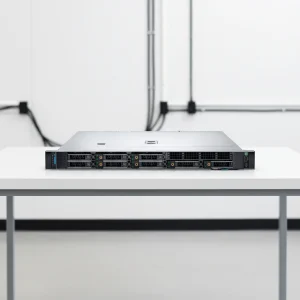
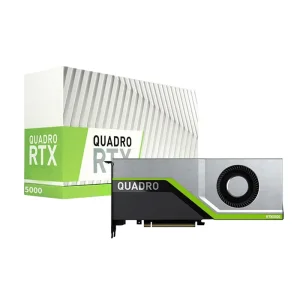
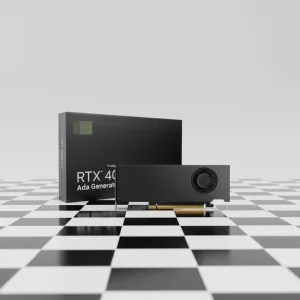
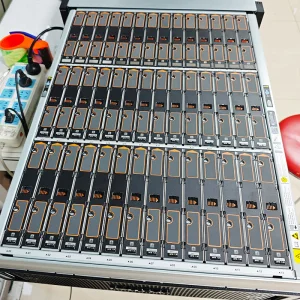
Enterprise-class workstation chassis, server racks, and bleeding-edge graphic boards for massive parallel computing environments.
In the current technological landscape, raw computing power stands as the primary currency of global development. As computational architectures shift from homogeneous processing units to complex, task-specific chiplets, the role of a trusted CPU manufacturer and exporter transitions from a mere component supplier to a critical strategic infrastructure partner. This whitepaper analyzes the paradigm shifts across enterprise server deployment, supply chain stabilization, and global industrial integration, providing system architects and procurement officers with the metrics necessary for modern computational expansion.
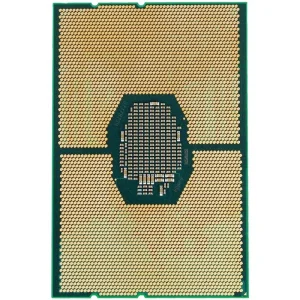
The global processing industry is experiencing a profound transition driven by the necessity for highly parallelized processing. As classical Moore’s Law scaling slows down, architectural optimization has turned towards chiplet design, advanced 3D packaging, and hardware-embedded AI instructions. Modern enterprise silicon, such as the Intel Xeon 6th Gen series (e.g., Xeon 6731P), integrates dedicated tensor accelerators directly on the die, reducing latency between general execution pipelines and neural network inference blocks. Simultaneously, the computational envelope has become a critical management vector, where a thermal design power (TDP) of 245W must produce optimized instructions-per-clock (IPC) ratios to validate the total cost of ownership (TCO) in hyper-scale datacenters.
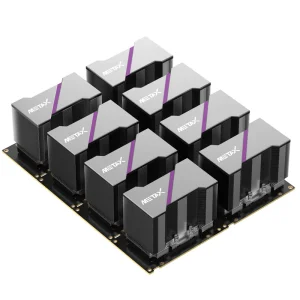
Furthermore, heterogenous computing—the synchronization between host CPUs and high-bandwidth accelerators like the NVIDIA RTX 5090D or localized silicon like the Muxi N260—defines how deep learning models are loaded, scheduled, and run. The host CPU acts as the central traffic controller, routing high-density operations through PCIe 5.0 lanes, managing high-throughput memory channels, and implementing virtualization boundaries that allow multiple isolated tenants to access GPU acceleration simultaneously without cross-talk vulnerabilities.
Moving away from monolithic dies, modern enterprise microprocessors utilize advanced silicon interconnects, reducing defect density costs and allowing hybrid-node mixing inside a single package.
With data center energy footprints scaling exponentially, CPU performance is no longer evaluated in isolation from its power envelope. Performance-per-watt optimization is now the leading metric.
Advanced CPU architectures deploy hardware-enforced isolation, such as confidential computing, SGX, and memory encryption, protecting code in execution from hypervisor-level intrusion.
Procuring enterprise silicon and system nodes requires a rigid verification framework. Chief Technology Officers and data center engineers evaluate prospective exporters on five primary parameters:
Combining years of global exporting capabilities with validated ISO management protocols to deliver high-availability processing hardware.
Operating inside one of the world's most dense technology clusters, our integrated manufacturing and testing facility deploys Factory 4.0 methodologies to assure component traceablity and precision engineering. Established in 2023, we combine localization advantages with strict compliance frameworks, bridging the gap between raw component manufacturers and enterprise systems integrators across the globe.
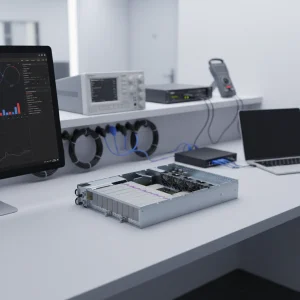
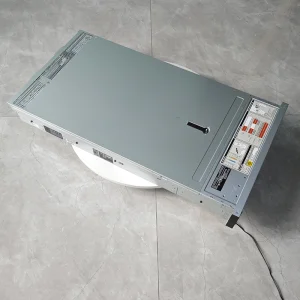
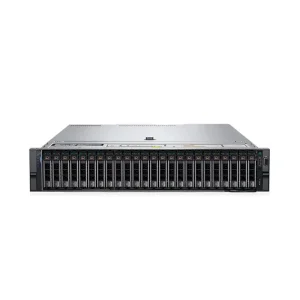
The core of China’s supply chain resilience lies in vertical integration. Our 200 ㎡ cleanroom facility manages rigorous configuration validation, bios-flashing, structural integrity checks, and high-temperature stress tests for high-tier nodes like the R750XS2U Network Server. Because our supply chain network links over 10 primary technology partners, we circumvent long component queues, assuring a stable, prompt delivery pipeline even in fluctuating market conditions.
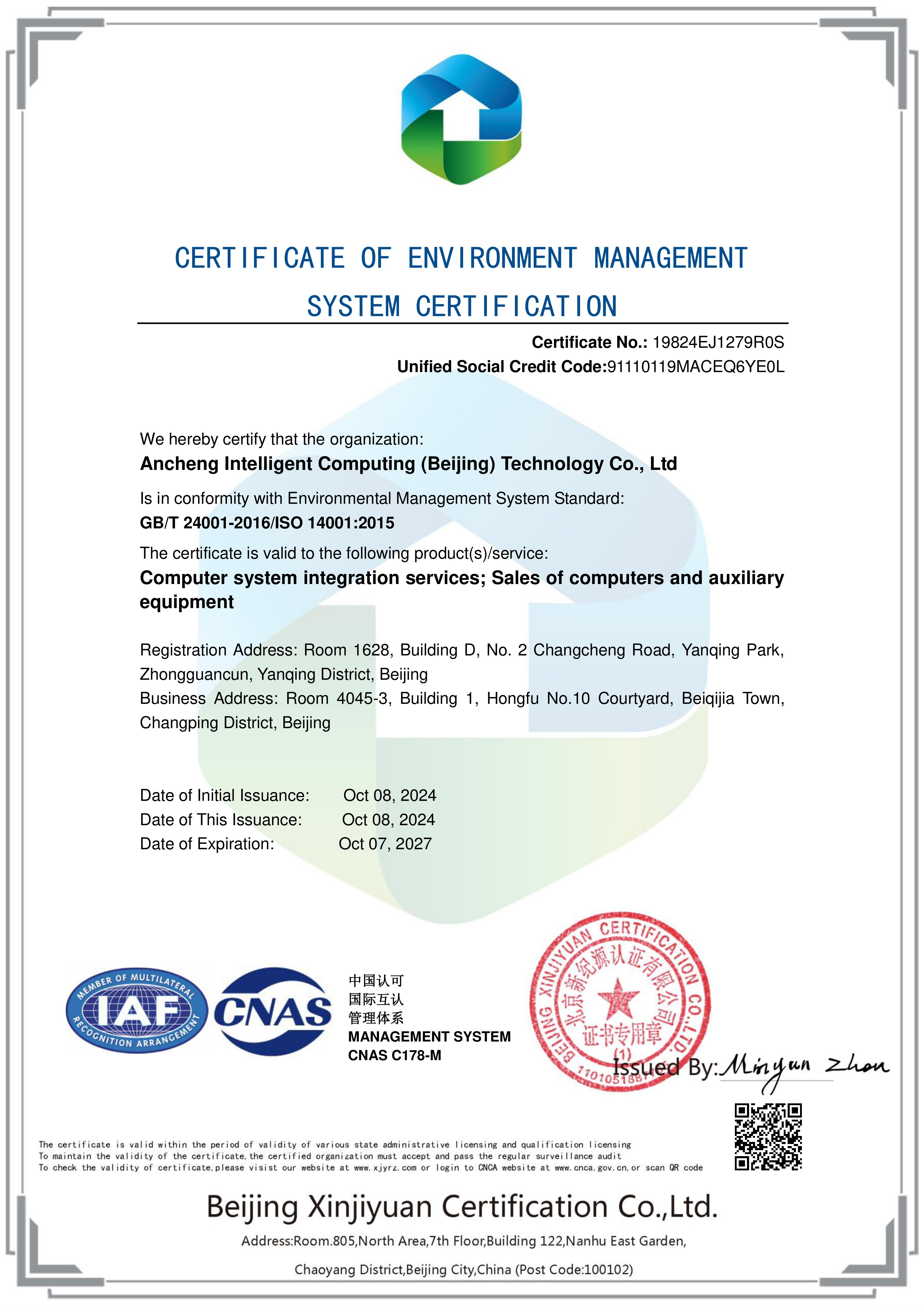
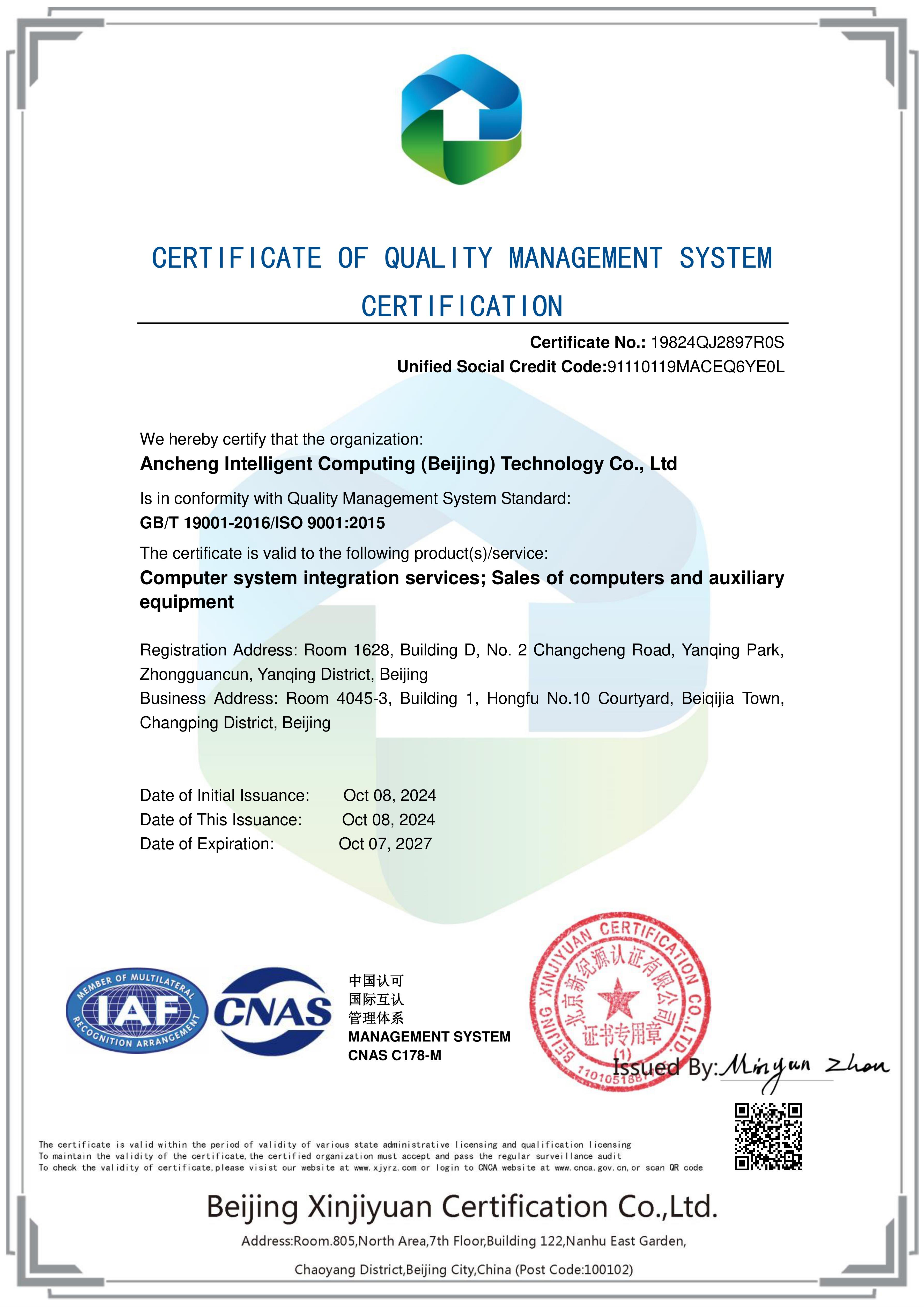
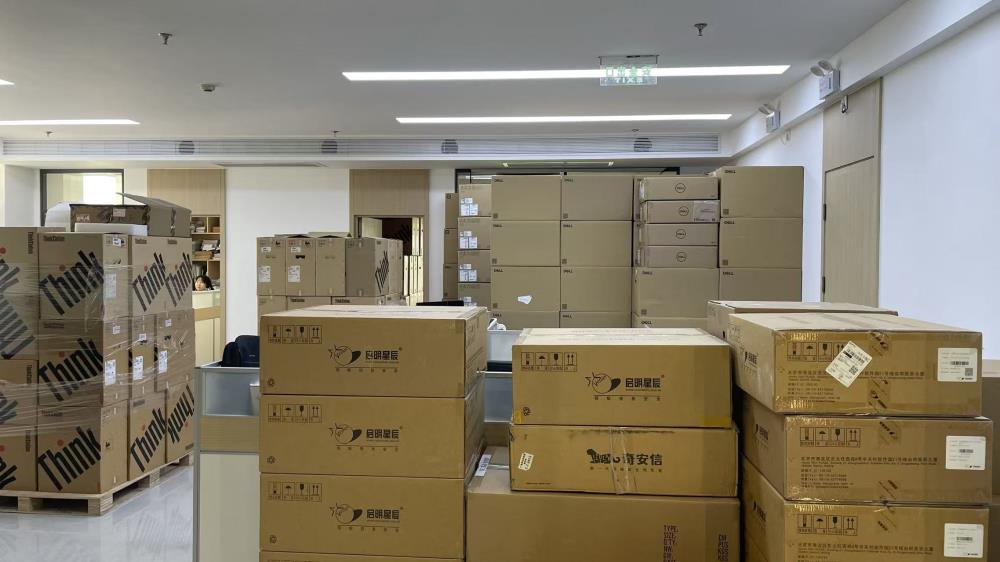
Verifiable metadata regarding our production capability, inspection guidelines, and international trade dynamics.
| Assessment Vector | Operational Value / Metrics | Strategic Importance for System Integrators |
|---|---|---|
| Company registration date | 2023-04-10 | Fully registered, modern operations complying with contemporary tax, environmental, and trade laws. |
| Floor space (㎡) | 200 | Optimized laboratory space dedicated to hardware configurations, stressing, and quality checks. |
| Accepted languages | English | Eliminates translation friction during customized enterprise order validations and drafting specifications. |
| Years exporting / in industry | 3 / 3 | Demonstrated experience navigating cross-border logistics, customs clearings, and component safety standards. |
| Quality control inspection method | Inspection of all products (100% QA pass) | Guarantees zero-dead-on-arrival (DOA) rates for complex GPU-accelerated server units shipped internationally. |
| Product traceability of raw materials | Yes | Secures supply chains, proving authenticity of all silicon dies, resistors, and PCB assemblies. |
| QA/QC Inspectors / R&D Engineers | 1 Inspector / 1 Graduate Engineer | Direct oversight on custom systems architecture, BIOS adjustments, and hardware debugging. |
| Main trade markets | Eastern Europe (30%), Mid East (30%), Africa (20%) | High familiarity with regional voltage variances, importing laws, and localized logistics partners. |
| Main client types | Brand business, Retailer, Engineer, Wholesaler, Manufacturer | Versatile contract structures matching global multi-tier wholesale and custom engineering requests. |
How specific enterprise systems translate physical specs into real-world business advantages across diverse digital verticals.
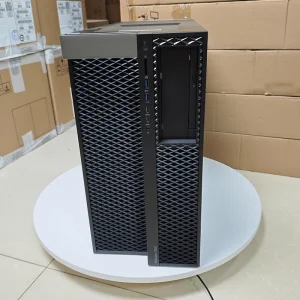
By pairing dual Intel Xeon 6248R processors within the Precision T7920 chassis, deep learning models undergo training locally. Adding customized accelerators, such as the Muxi N260, optimizes parallel tensor calculations, accelerating the deployment of localized chatbots and pattern recognition engines.
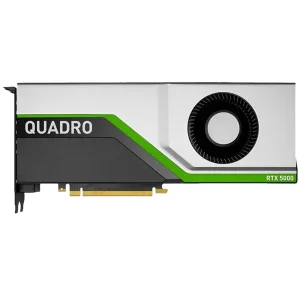
Render pipelines demanding ray-traced accuracy utilize the NVIDIA RTX 5000. When rendering heavy vector assets, the high VRAM bandwidth guarantees frame consistency, cutting down project finalization wait times from days to hours for leading architectural firms.
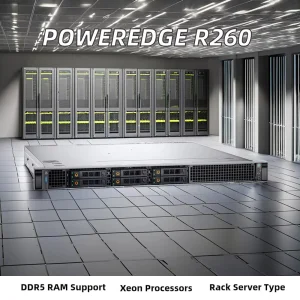
Deploying the Dell PowerEdge R260 or R360 in retail or local industrial nodes enables rapid local database operations. The integrated E-2400 processors execute localized computations, reducing upstream bandwidth needs to main corporate clouds.
Advanced hardware setups and performance components designed to build robust data centers.
 Aiserver Manufacturer