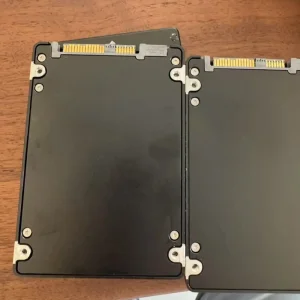
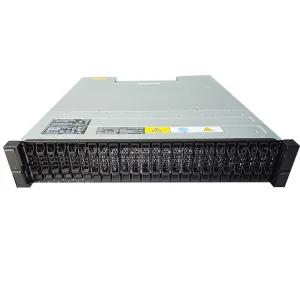
Pre-inspected high-capacity hardware optimized for immediate deployment in Kenyan financial, telecommunication, and governmental data centers.

As the digital economy matures across Sub-Saharan Africa, the East African tech hub—frequently referred to as the "Silicon Savannah"—is undergoing a rapid technological evolution. At the heart of this transition is Kenya, which has positioned itself as the regional leader in telecommunications, fintech, smart agricultural logistics, and public sector modernization. The rapid transition from legacy on-premises systems to advanced hybrid cloud environments demands highly robust, scalable, and secure hardware infrastructure. The integration of HPE ProLiant servers, high-density storage arrays, and enterprise-grade GPU architectures has become critical for maintaining low latency, minimizing downtime, and securing transaction channels.
Historically, enterprises in Kenya relied on fragmented supply chains for their technology stack. This resulted in delayed deployment schedules, limited hardware customization, and complex warranty navigation. As a leading specialized supplier, we bridge this gap by delivering pre-configured, rigorously tested enterprise solutions directly to Nairobi, Mombasa, and the broader East African footprint. With compliance structures mapped out under ISO 9001 and ISO 14001, we guarantee that all hardware meets strict performance benchmarks before shipping, providing Kenyan enterprises with the reliability required to sustain modern digital services.
The Kenyan digital ecosystem is defined by high transaction velocity and massive mobile data penetration. Services built around mobile money, micro-lending, and mobile-first banking applications process millions of transactions per second. This transaction-heavy landscape demands hardware that offers extreme Input/Output Operations Per Second (IOPS) and enterprise-grade resilience. System outages in this environment translate directly to lost revenue and reduced public trust.
Furthermore, the ongoing development of the Konza Technopolis smart city project and the rollout of national e-government services have catalyzed the demand for robust data center infrastructure. The local hosting of public data—spurred by the Kenya Data Protection Act of 2019—requires municipal, state, and enterprise organizations to transition to secure, local data architectures. By leveraging customized HPE rack and tower solutions alongside reliable disk storage networks, public and private sectors can maintain full data sovereignty without sacrificing speed or performance.
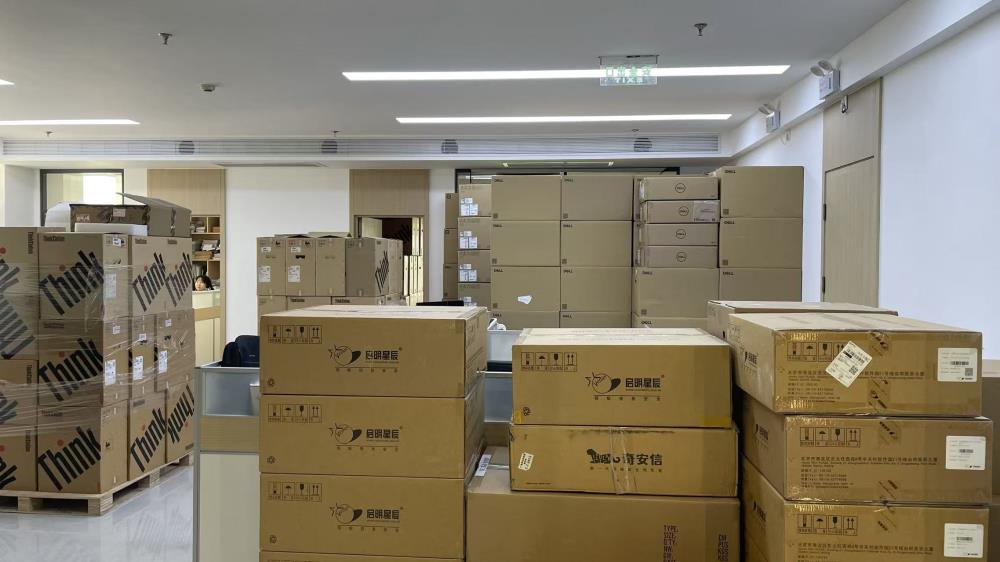
QA Product Inspection
Global Export Experience
Tier-1 Supply Partners
Dedicated African Market Share
Enterprise platforms designed for computational heavy lifting, graphic design rendering, and mission-critical database virtualization.
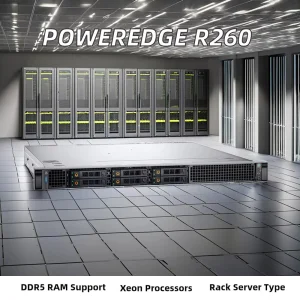
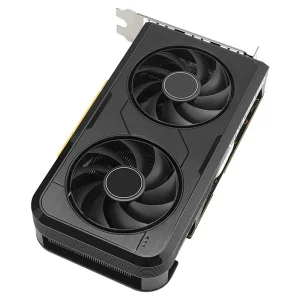
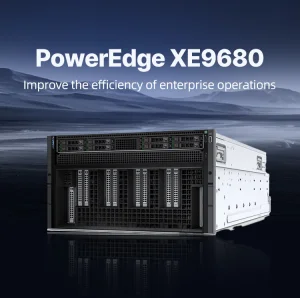
At a global scale, the computing industry is experiencing a profound shift driven by the emergence of Generative Artificial Intelligence (GenAI), Large Language Models (LLMs), and hyper-scale virtualization. Traditional CPU-centric servers are being replaced or augmented by heterogeneous systems that integrate high-performance GPUs (such as the NVIDIA H200 and Tesla architectures) and high-speed network interfaces. These configurations enable real-time inference, predictive analytics, and scalable virtualization clusters.
Furthermore, server thermal management and energy efficiency are no longer secondary metrics. As data centers scale, power consumption costs have surged. Leading manufacturers have responded with advanced power management policies, titanium-rated power supplies, and liquid-cooling compatibility. By implementing servers that carry strict certifications such as ISO 14001, organizations can lower their global carbon footprint while reducing their total cost of ownership (TCO) through minimized cooling overhead.
Deploying enterprise computing hardware in Kenya requires a clear understanding of the environmental and operational challenges within the region. Voltage fluctuations, ambient temperatures, and dust in non-urban edge centers demand robust hardware designs. HPE’s design philosophy, incorporating redundant power configurations, hot-swappable fans, and remote manageability via iLO (Integrated Lights-Out), makes it highly suited for the local landscape. Key localized deployment scenarios include:
Processing millions of daily financial transactions requires systems with low latency and secure transaction lines. High-core-count processors combined with fast SAS SSD arrays provide the data throughput needed for complex database queries and fraud detection systems.
With public services moving to digital-first models, state departments require centralized computing environments that offer robust isolation. High-density rack configurations enable virtualization setups that run multiple state applications on unified hardware.
Smart agriculture startups utilize IoT data sensors to monitor soil quality, crop conditions, and logistical networks. Processing this geo-spatial data requires high-throughput compute servers to generate predictive crop yields and optimize distribution paths.
Operating with transparent quality control systems, international certifications, and a globally established supply network.
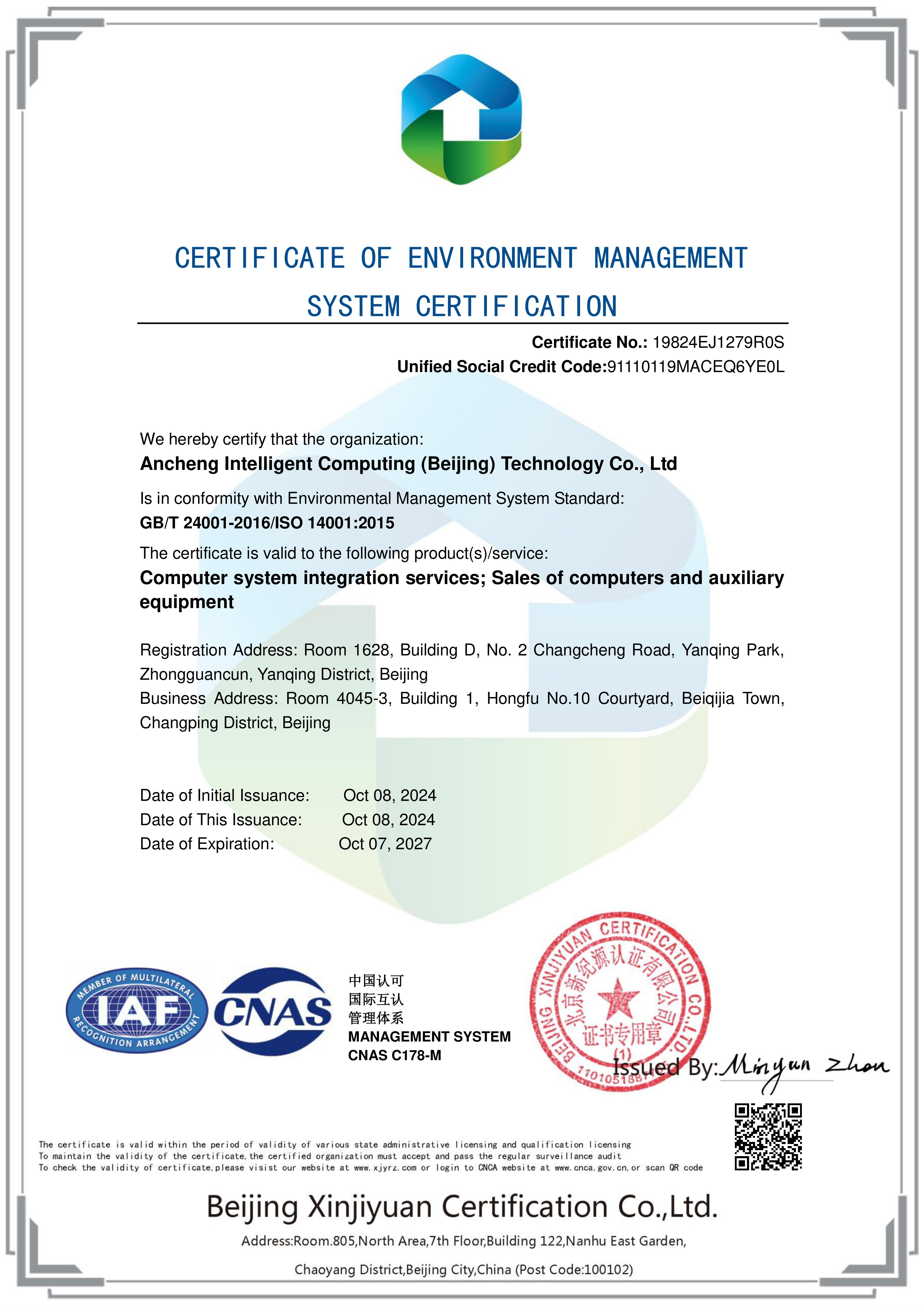

Registration No: 19824EJ1279R0S
Environmental Management Standard


Registration No: 19824QJ2897R0S
Quality Management System Standard
Selecting computing hardware requires careful consideration of long-term technology roadmaps. Purchasing servers nearing the end of their lifecycle leads to rapid obsolescence, driver support challenges, and rising maintenance costs. Modern configurations feature scalable architectures, supporting multi-channel DDR5 ECC RAM and PCIe Gen 5 expansion protocols. This ensures they can adapt as AI models and database demands expand.
For organizations looking to deploy hybrid-cloud strategies, the server hardware must integrate cleanly with cloud orchestration tools (such as OpenStack, Kubernetes, or VMware vSphere). HPE’s Gen10 and Gen11 architectures provide key integration modules, allowing administrators to manage assets from a unified interface. This enables seamless containerized workloads, distributed microservices, and storage provisioning across multiple local sites.
Our technical consultative approach matches specific application requirements with optimal hardware setups. Whether provisioning an enterprise-grade database cluster or a GPU node for machine learning, we customize memory, storage, and networking layers to eliminate performance bottlenecks.
Addressing common technical and logistical inquiries for IT directors and procurement managers in East Africa.
Browse our selection of rack servers, tower configurations, storage arrays, and high-performance processing hardware.
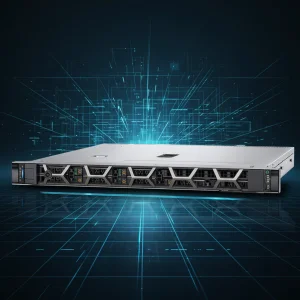

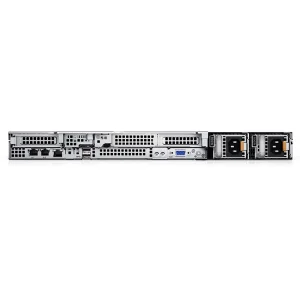

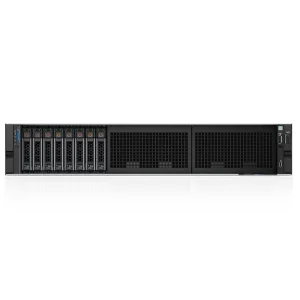
 Aiserver Manufacturer