📊
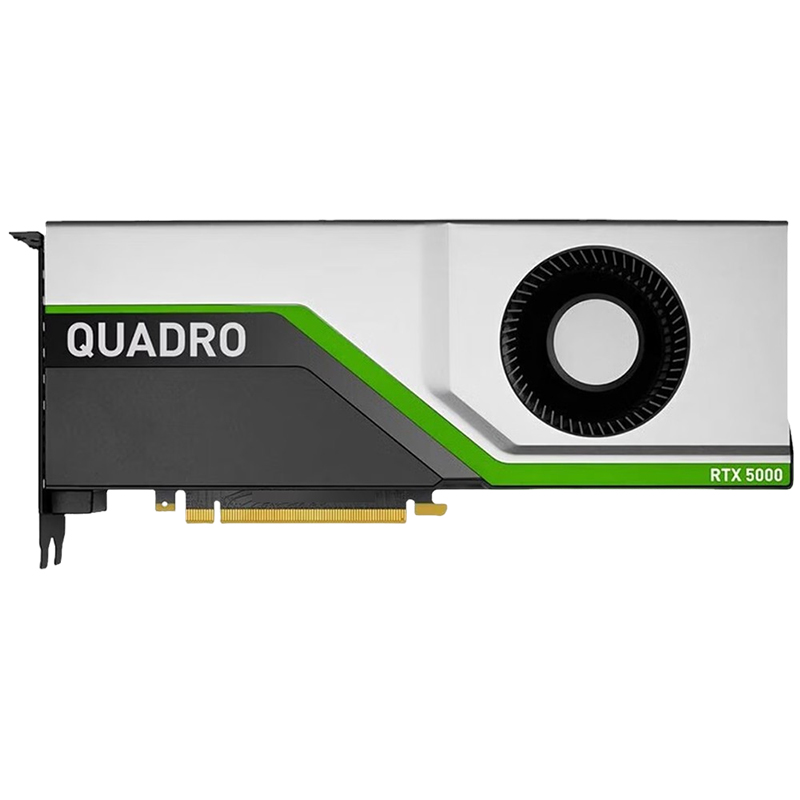
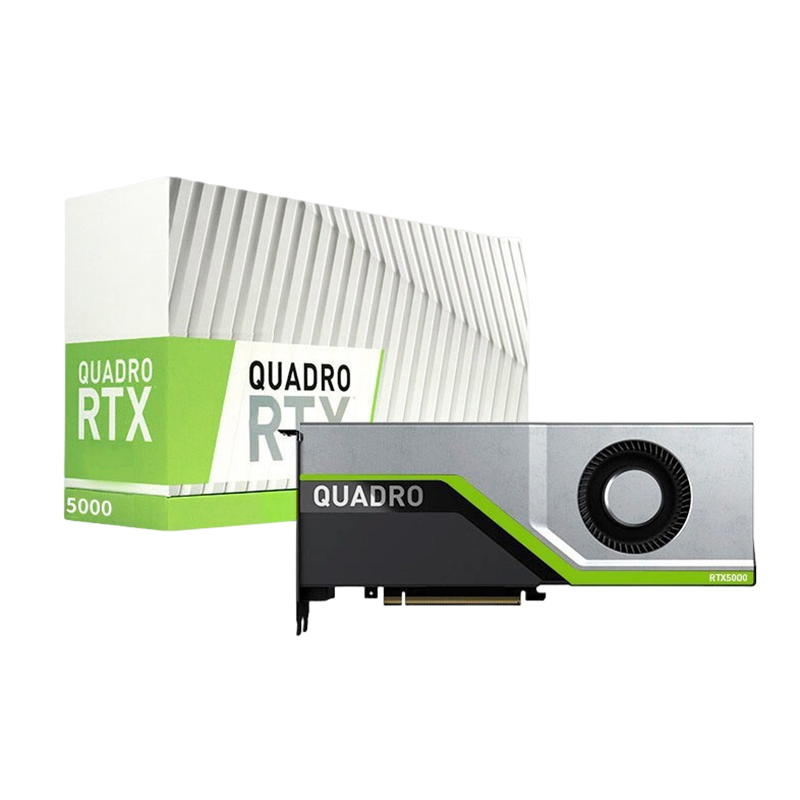
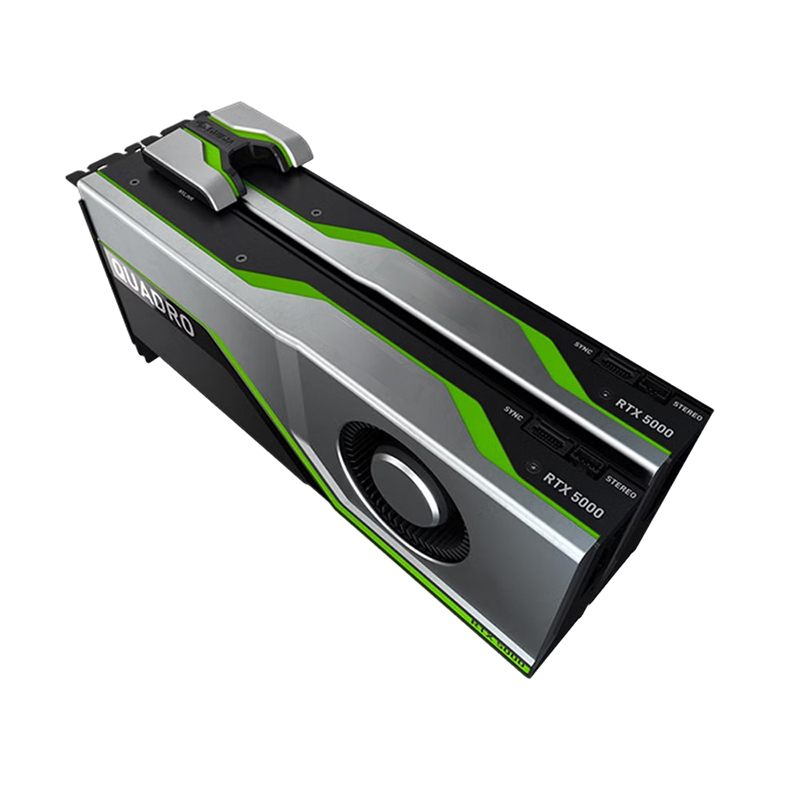
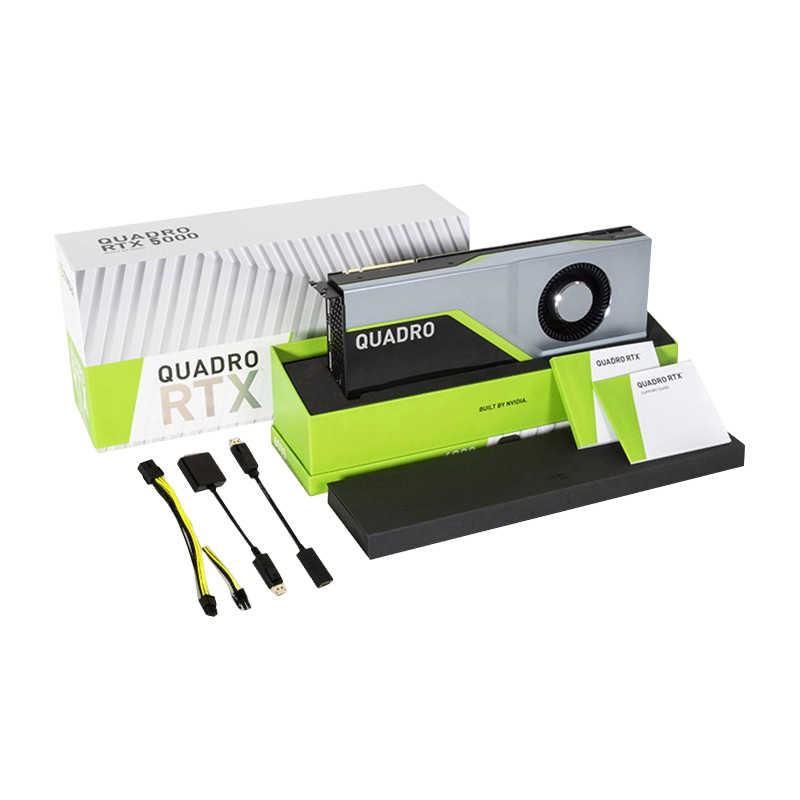
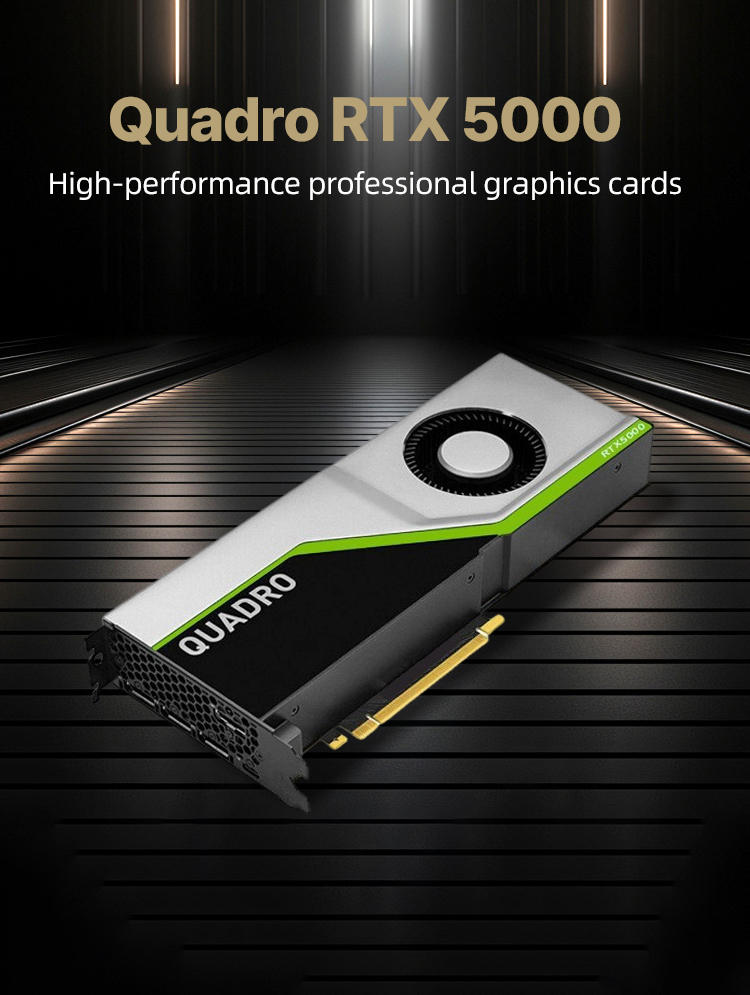
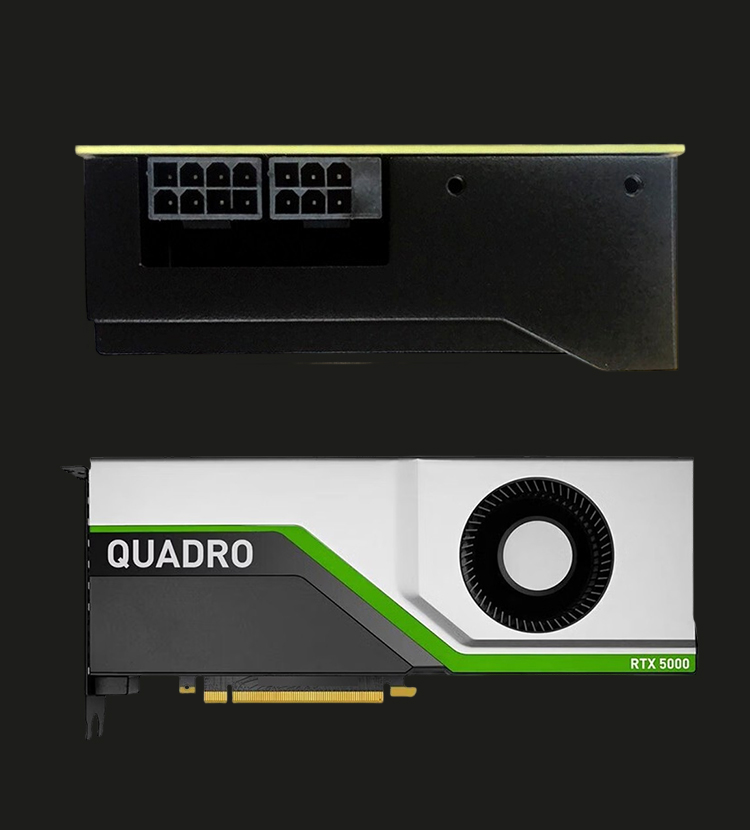
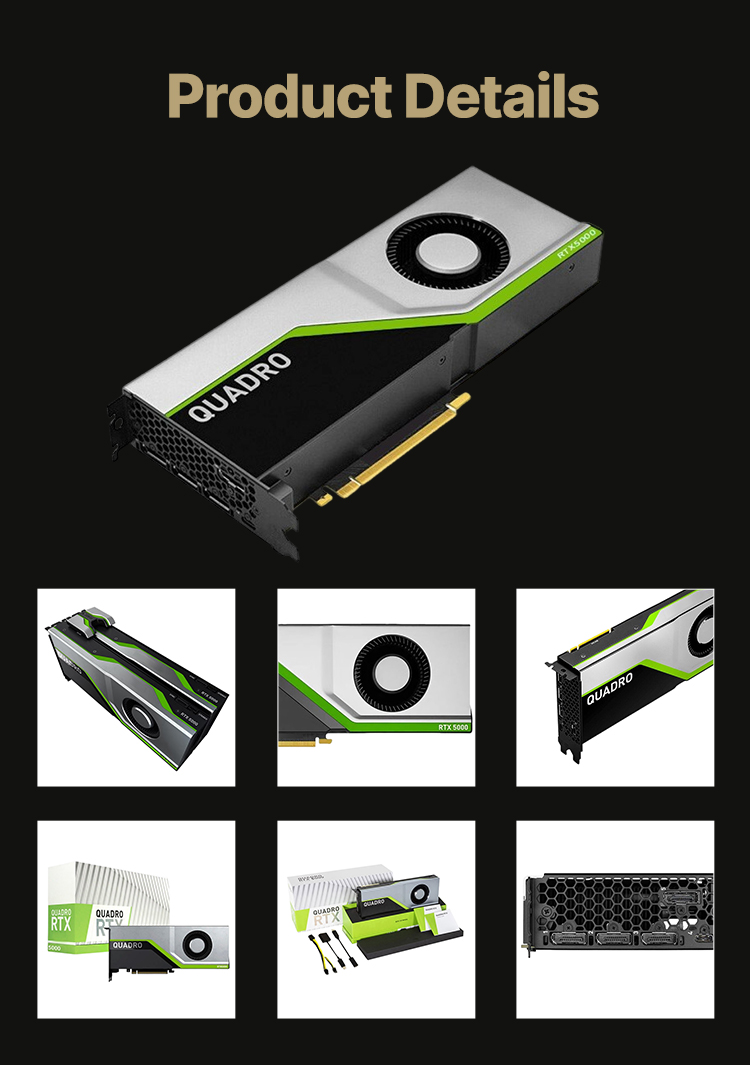
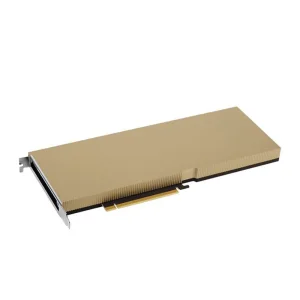
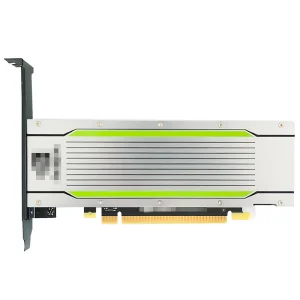
Professional Performance: High-end professional graphics card based on the Turing architecture, designed for intensive computational tasks and real-time ray tracing.
| Specification |
Details |
| GPU Model |
Quadro RTX 5000 (TU104-875-A1) |
| Process |
12 nm FinFET |
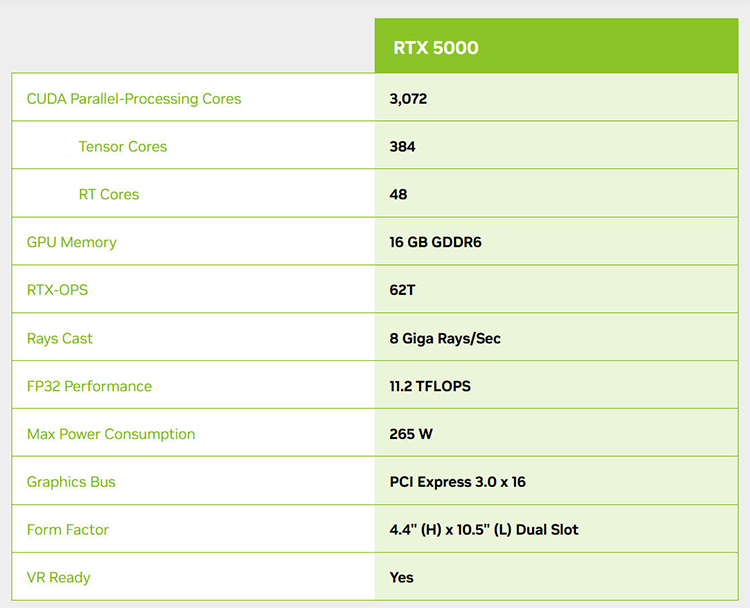
| CUDA Cores |
3072 |
| RT Cores |
48 |
| Tensor Cores |
384 |
| Base Clock |
1620 MHz |
| Boost Clock |
1815 MHz |
| Memory Size |
16 GB GDDR6 |
| Memory Bus |
256-bit |
| Memory Frequency |
1750 MHz (14000 MHz effective) |
| Memory Bandwidth |
448 GB/s |
| TDP |
230 W (Total Board Power: 265 W) |
| Bus Interface |
PCIe 3.0 x16 |
| Thermal Solution |
Active (Dual-slot blower) |
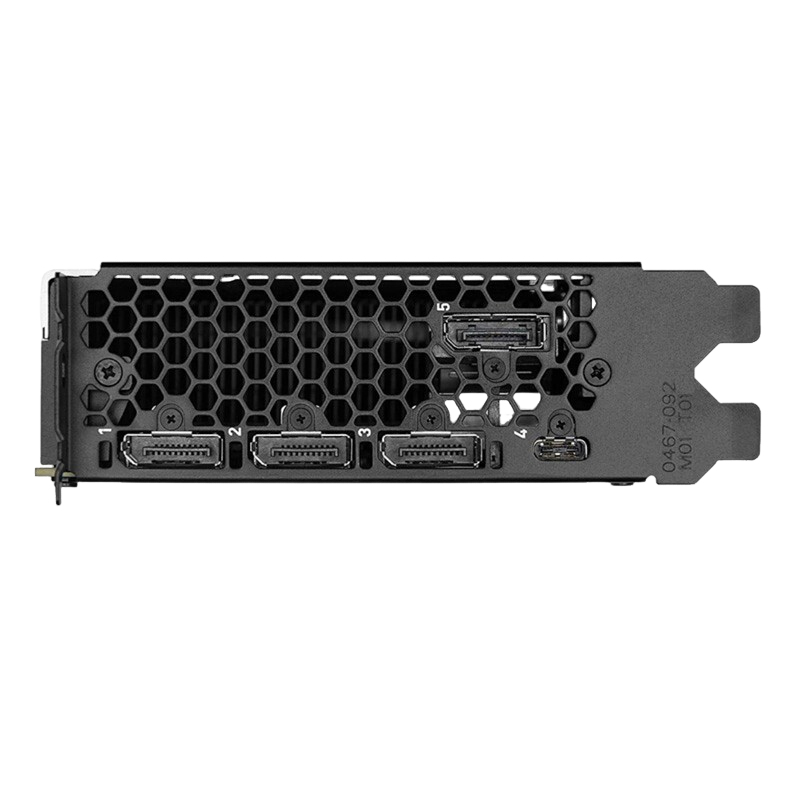
| Display Connectors |
4×DisplayPort 1.4, 1×USB-C (VirtualLink) |
| Max Simultaneous Displays |
4 |
| Power Connector |
6-pin + 8-pin |
Frequently Asked Questions
🔹 What are the primary applications for the Quadro RTX 5000?
The Quadro RTX 5000 is designed for professional workloads including real-time ray tracing, AI-augmented workflows, advanced 3D rendering, and VR content creation.
🔹 Does this card support multi-display setups?
Yes, it features 4x DisplayPort 1.4 connectors and can support up to 4 simultaneous displays at high resolutions.
🔹 What type of power supply connection is required?
The card requires a combination of one 6-pin and one 8-pin auxiliary power connector to meet its 230W-265W power requirements.
🔹 Can this GPU be used in standard server environments?
Yes, with its dual-slot blower thermal solution and standard PCIe 3.0 x16 interface, it is compatible with most professional workstations and server chassis.
🔹 What is the benefit of the 16GB GDDR6 memory?
The 16GB high-speed memory allows for handling larger datasets, more complex 3D models, and higher resolution textures compared to standard consumer cards.
🔹 Is real-time ray tracing hardware-accelerated?
Yes, the RTX 5000 features 48 dedicated RT Cores designed specifically to accelerate ray tracing calculations for cinematic-quality graphics.
 Aiserver Manufacturer