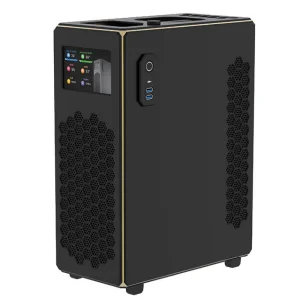
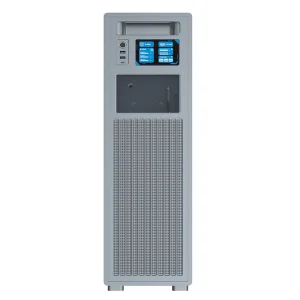
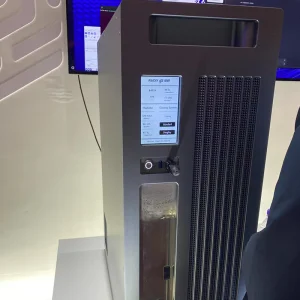
Aiserver Manufacturer
1 / 5

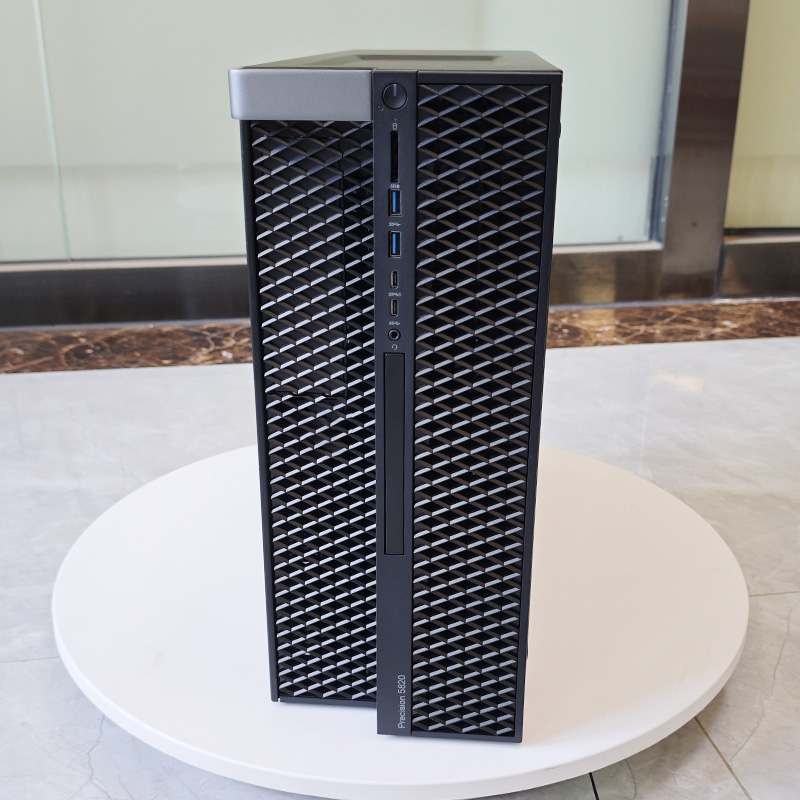
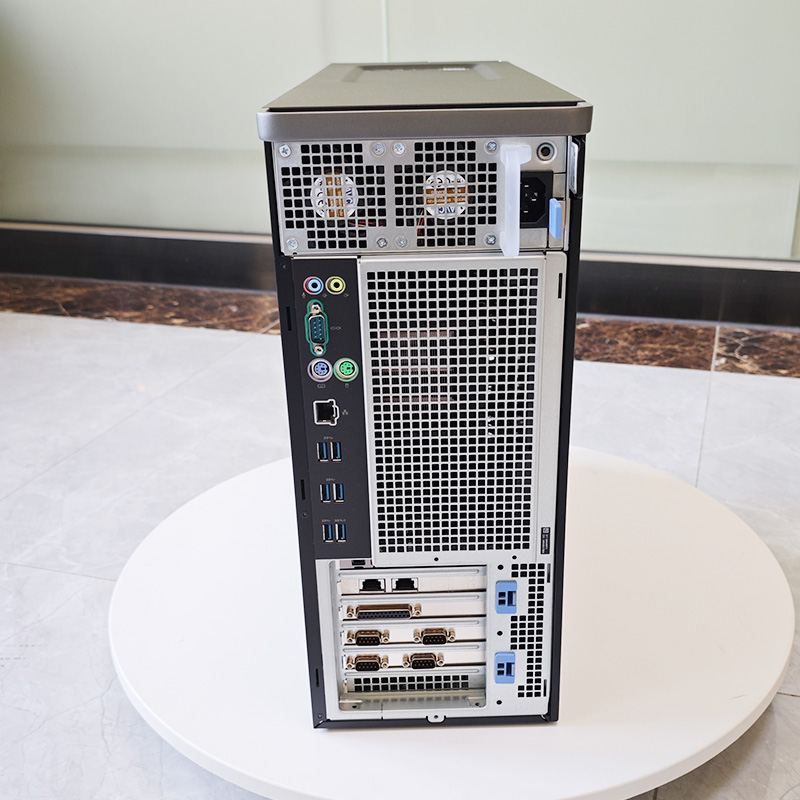
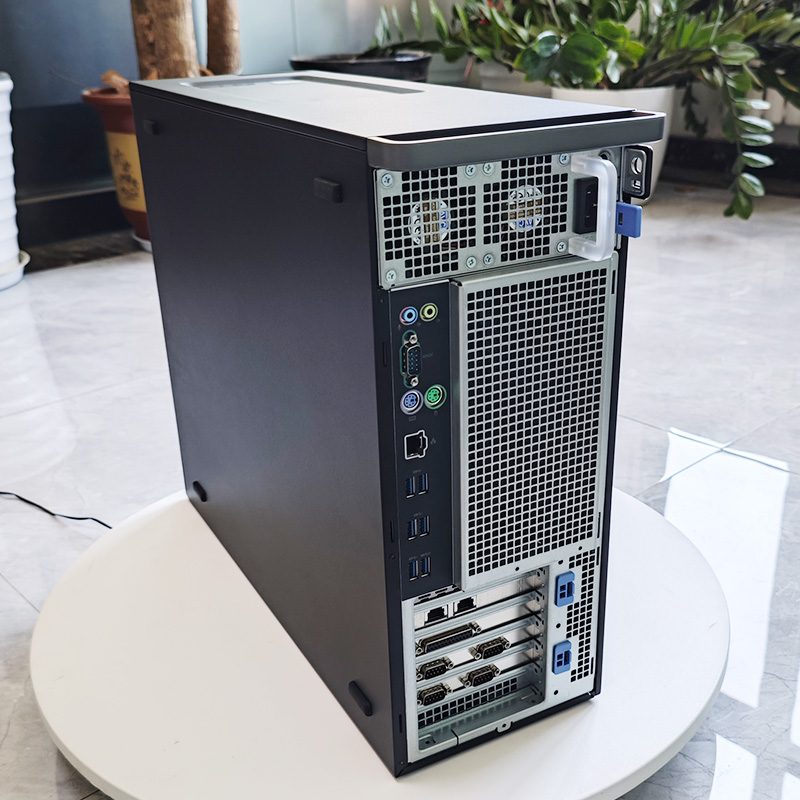
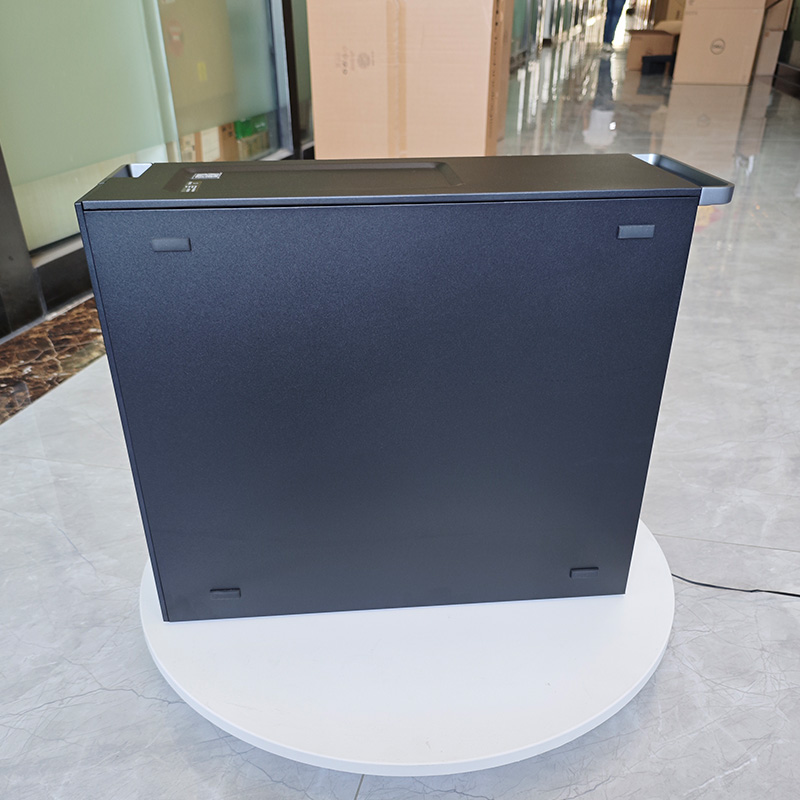
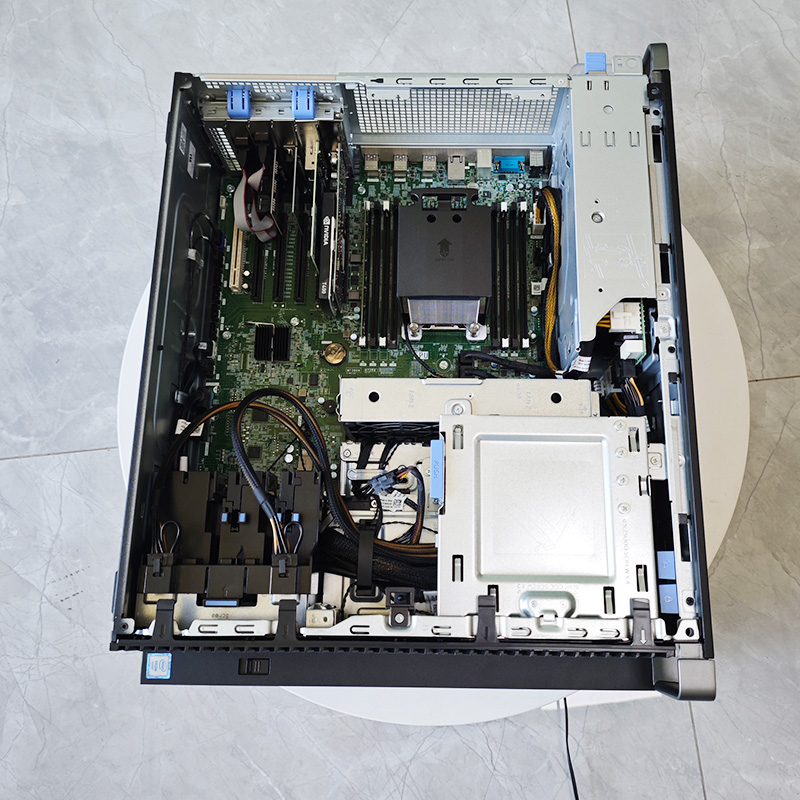
| Processor | Available with Intel® Xeon® Processor W-series CPUs (Skylake-W) or Core X-series, each processor supports up to 18 cores, Intel Advanced Vector Scaling Technology, Intel Trusted Execution Technology, Intel AES New Instructions, optimized Intel Turbo Boost Technology, and optional Intel vPro™ technology. |
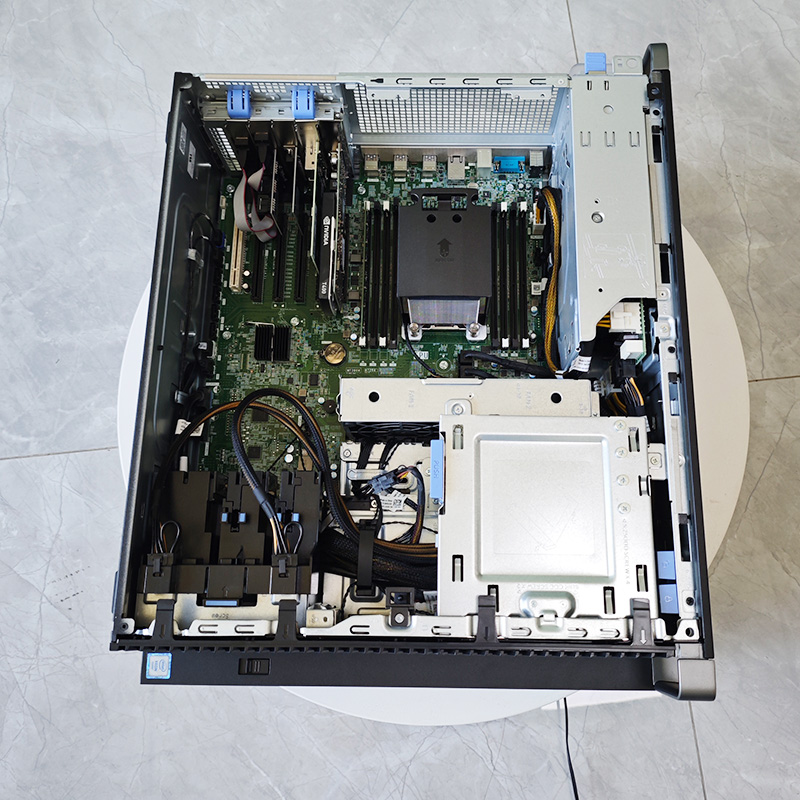
| Motherboard Specifications | The motherboard features a FCLGA2066 CPU socket R4 that supports Intel Xeon W-series processors such as the Cascade Lake W-2200 series as well as Core I9-series processors, and features 8 DDR4 DIMM memory slots for excellent performance and scalability. |
| Memory Specifications | It has 8 DIMM slots and supports quad-channel DDR4 memory with up to 512 GB 2666MHz DDR4 ECC memory, up to 256 GB 2933MHz DDR4 (RDIMM) ECC memory, and 256 GB 2666MHz DDR4 (UDIMM) non-ECC memory. |
| Storage Specifications |
Drive Support: The front-mountable FlexBay supports up to 4 x 2.5"/3.5" SATA HDD/SSD, as well as up to 6 x 2.5" HDDs and 5 x 3.5" HDDs with 5.25" bays. SAS hard drives are also supported, but additional SAS controller cards need to be installed. SSDs: Up to 2 front-removable (hot-swappable) M.2 NVMe PCIe SSDs are supported in FlexBay on PCIe-enabled chassis with integrated Intel controllers. In addition, 1 SuperSpeed Drive Quad Channel x16 expansion card supports up to 4 M.2 NVMe PCIe SSDs. |
| Video / Audio | Supports 2 PCI Express® x16 Gen 3 graphics cards with up to 600W power and up to 2 x 300W double-wide graphics cards, with a choice of professional graphics cards such as the latest AMD Radeon™ Pro™ and NVIDIA Quadro® such as the high-end Radeon™ Pro WX 9100 and NVIDIA Quadro P6000, and the mid-range Radeon™ Pro WX 5100, NVIDIA Quadro P2000, and more. |
| Software System | Pre-installed operating system Windows 10/11 Pro/Home. |
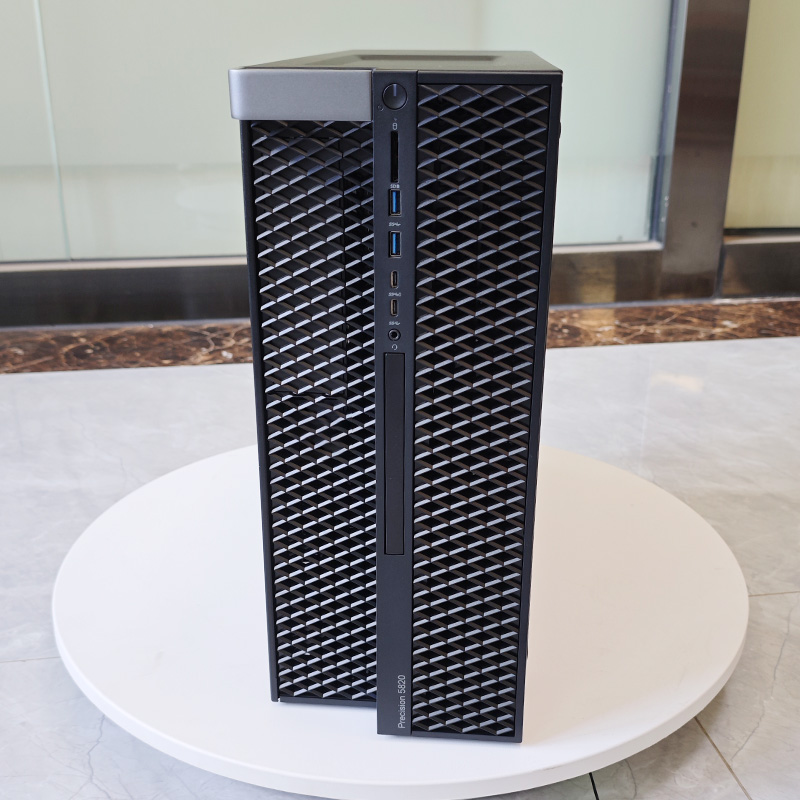
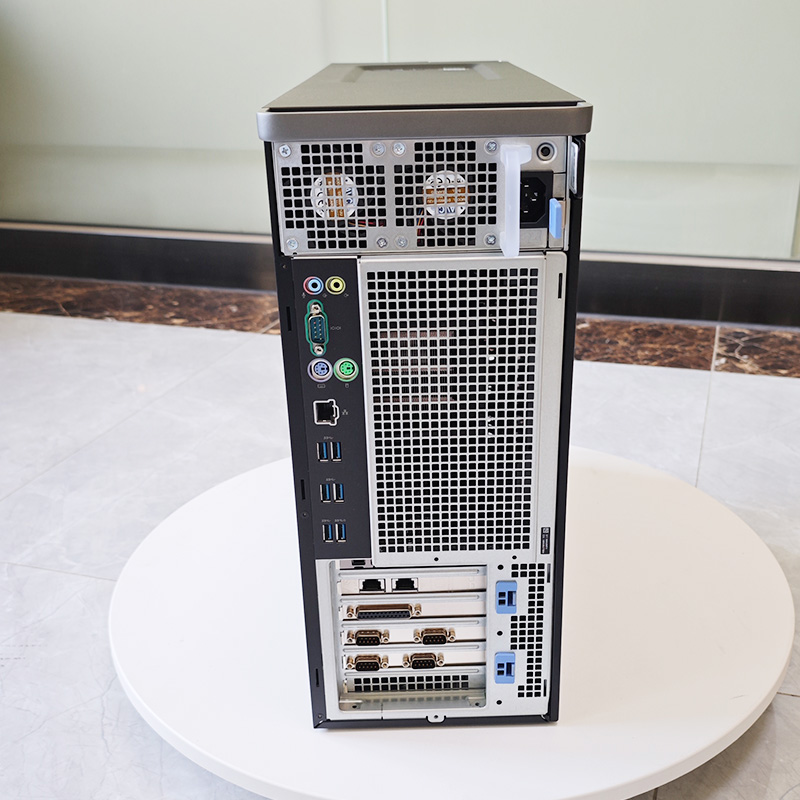
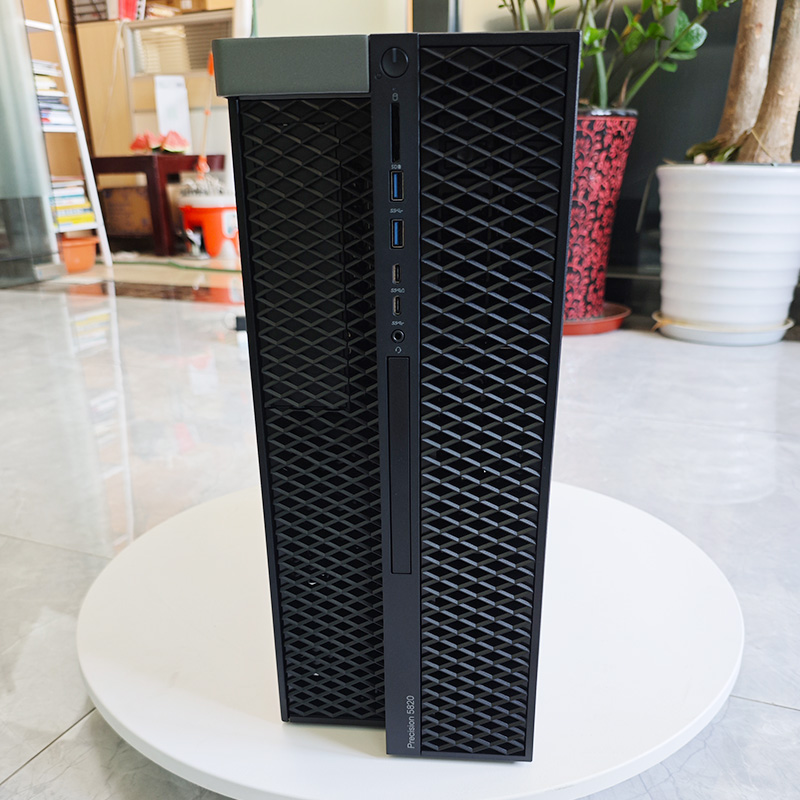
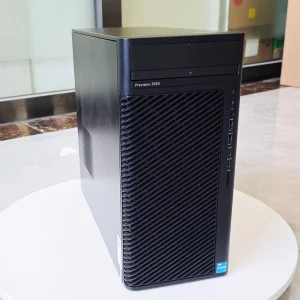
The Precision T5820 workstation is typically designed as a single-user workstation for professional users for high-performance computing, graphics processing, and more.
While it can support some level of multitasking on hardware resources, it doesn't specify a fixed "maximum number of users." In a LAN environment, multiple users can theoretically access the resources on the workstation through network sharing and other means, but this is limited by various factors such as network bandwidth, workstation performance, and concurrent operations of simultaneous access.
If it refers to users who log in and use workstations locally at the same time, generally speaking, based on their operating system and design positioning, it is mainly for a single user to work efficiently, and logging in multiple users at the same time and performing complex operations may lead to system performance degradation.
In a virtualized environment, by creating multiple virtual machines, multiple "virtual users" can be supported according to the hardware resources and the configuration of the virtual machines, but the specific number needs to be evaluated and adjusted according to the actual hardware configuration and application needs.