
Deploying compliant, resilient, and next-generation storage architectures to overcome modern data scale complexities.
In the current epoch of hyper-digitization, enterprise storage is no longer merely a repository for binary files; it has evolved into the central nervous system of modern data-driven architectures. Organizations globally are processing unprecedented petabyte-scale datasets generated by AI algorithms, high-frequency transactional applications, distributed microservices, and intensive edge-computing structures. To transform this raw data into strategic assets, enterprises require high-performance, fault-tolerant infrastructure.
As a leading CE certified exporter and collaborative factory partner for next-generation Huawei storage systems, we address the critical pain points of latency bottlenecks, compliance mandates, and high total cost of ownership (TCO). Our integrated solutions bridges top-tier hardware architectures (such as high-density NVMe solid-state arrays, dual-socket Intel Xeon servers, and AMD EPYC scalable systems) with the robust regulatory certifications needed to export safely into global markets.
"Compliance is the foundation, but high performance is the driver. By providing CE-certified storage ecosystems, we guarantee that global enterprises achieve peak efficiency without risking compliance bottlenecks."
Whether your enterprise deployment is located in Eastern Europe, the Middle East, or Africa, aligning system security, environmental integrity, and electromagnetic compliance is crucial. A single uncertified component in your data center loop can void insurance structures, disrupt supply chains, and trigger regulatory penalties.
Exploring the convergence of OceanStor architecture, NVMe over Fabrics (NVMe-oF), and AI-native management paradigms.
Leveraging Huawei's proprietary controller-disk collaboration algorithms. It synchronizes SSD controller logic with system CPU cores to optimize write patterns, reduce write amplification, and achieve predictable sub-millisecond latencies under dense multi-tenant I/O workloads.
Our multi-controller architectural design safeguards storage system reliability. Built with an internal active-active system mesh, it tolerates the simultaneous failure of multiple controllers (up to 7 out of 8 in high-end arrays) without causing offline interruptions or data loss.
By deploying DME (Data Management Engine), the storage network predicts disk wear and performance degradation up to 14 days in advance. Proactive health management automates operations to prevent failures before they occur.
Huawei’s roadmap focuses on deep-tier integration, shifting toward hyper-converged infrastructures where storage, processing power, and neural network engines operate in a unified chassis. The rising demands of large language models (LLMs) and advanced AI workloads (like the DeepSeek deployments) require unified architecture that coordinates primary flash storage with secondary cold-storage layers.
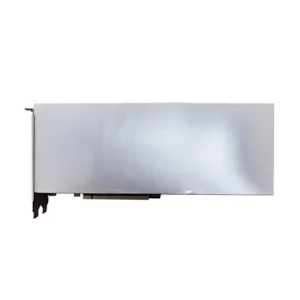
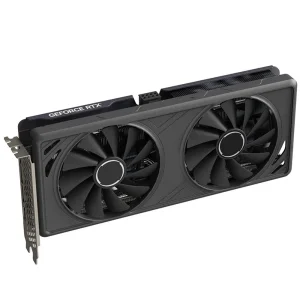
Our factory tracks these developments to ensure that custom server builds (equipped with dual-socket processors and HBM2e memory graphics cards) integrate smoothly with Huawei high-capacity SAN or NAS systems. The target is unified, latency-controlled access across all endpoints.
Our manufacturing facility operates under Industry 4.0 principles, where automated production lines communicate in real-time with our quality control and components management databases. In a global hardware market marked by supply chain disruptions, we guarantee structural delivery advantages. By integrating local raw material sourcing, automated testing environments, and strict compliance oversight, we reduce standard manufacturing lead times by up to 30%.
Unlike typical trading offices, our production floor runs a closed-loop quality program. From component arrival to structural packaging, every step is logged and traceable.
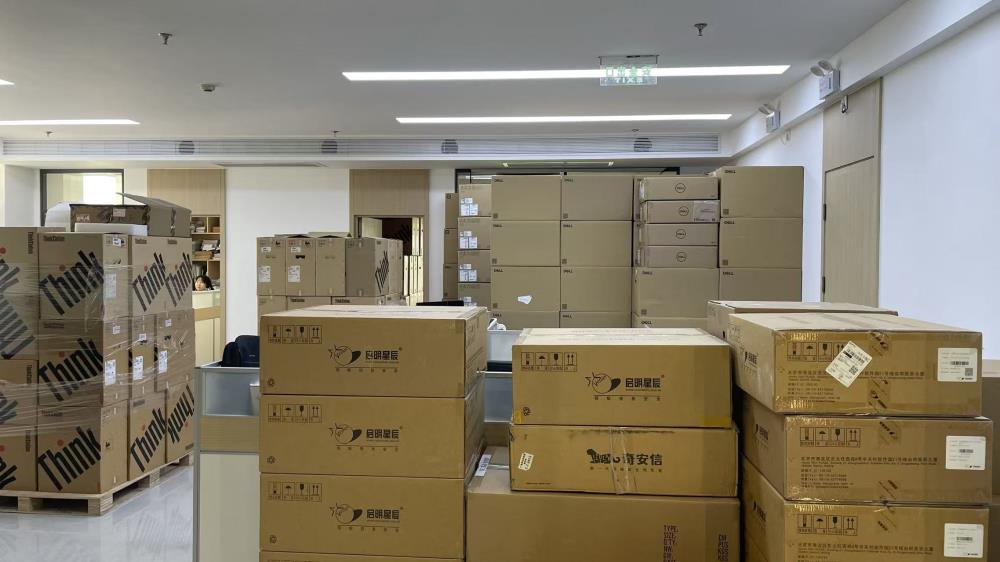
Quantifiable proof of our operations, quality assurance, and global market reach.
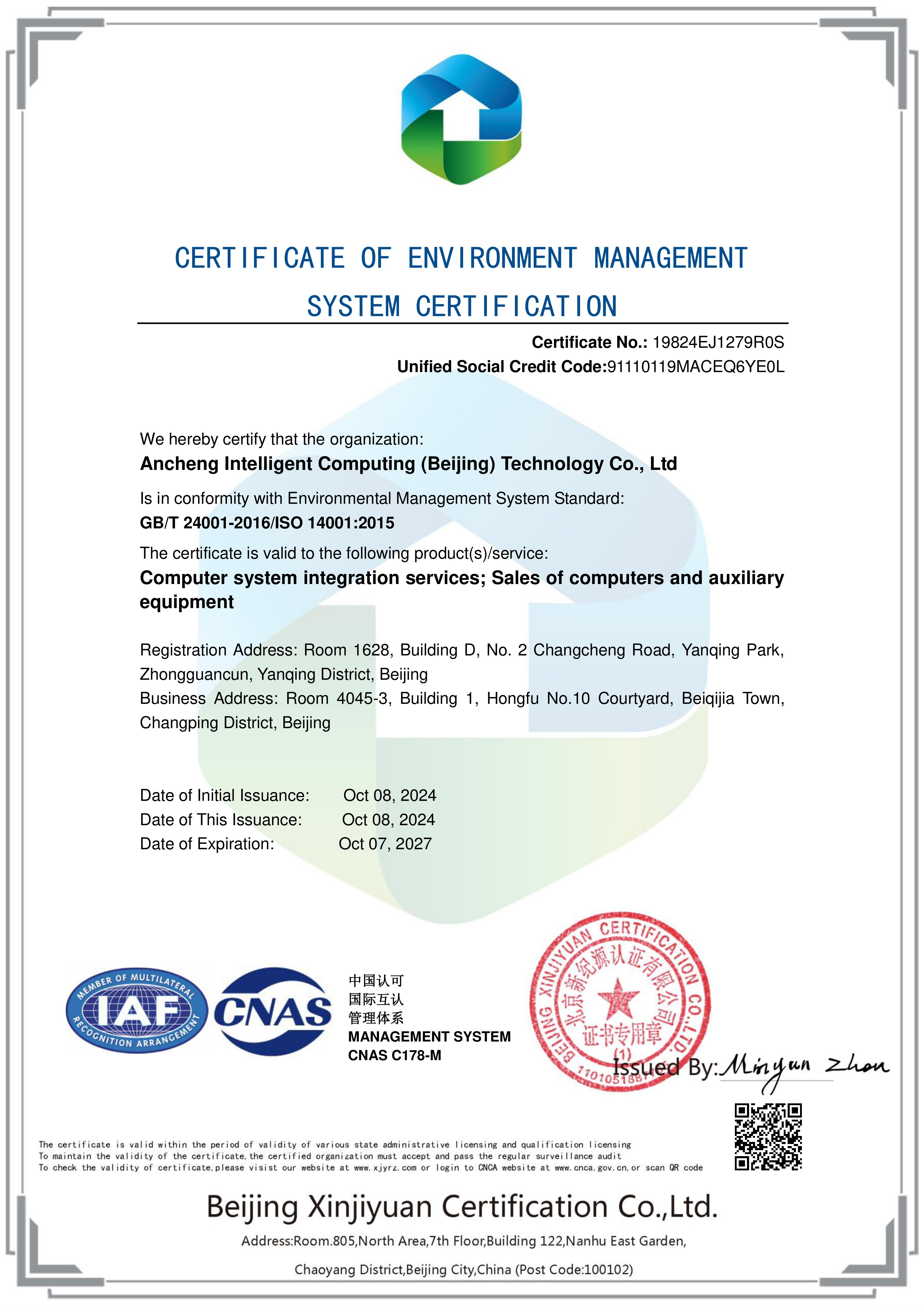
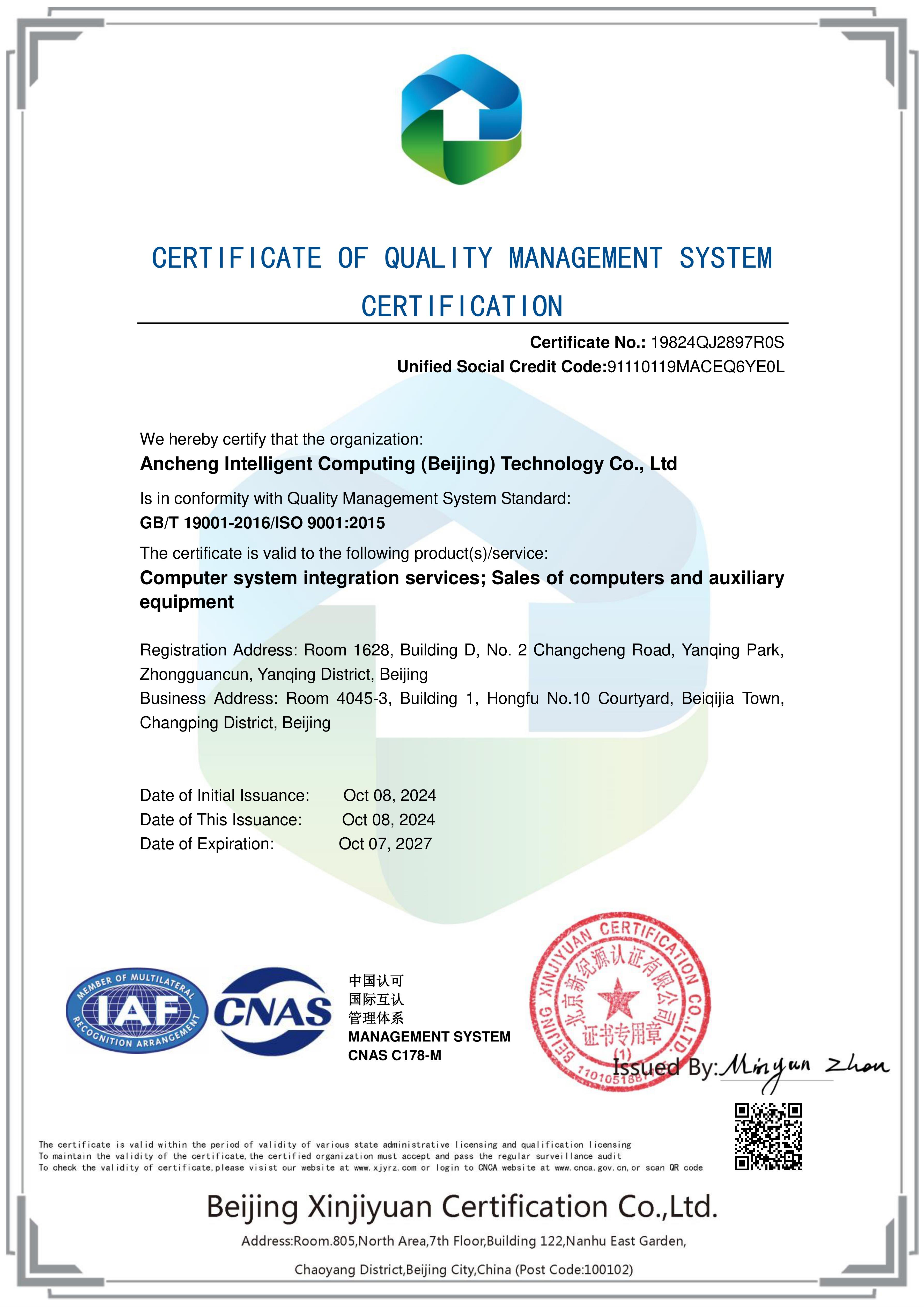
Our processes are aligned with global environmental and quality management guidelines, backed by verified certifications:

How unified configurations optimize mission-critical applications across various sectors.
| Sector / Vertical | Critical Challenge | Recommended Architecture Solution | Primary Technical Objective |
|---|---|---|---|
| Finance & Banking | Sub-millisecond processing for high-volume transactions. Zero tolerance for data loss. | Huawei Dorado NVMe All-Flash integrated with Dual-Socket Intel Xeon 2U Rack Servers. | Real-time ACID compliance, continuous data backup, and minimized request latency. |
| Healthcare PACS | Unstructured storage needs for massive volumetric medical imaging datasets. | Distributed Hybrid NAS storage arrays coupled with high-capacity 3.5-inch SAS/SATA drives. | Cost-effective archiving alongside rapid medical record retrieval for clinical diagnostics. |
| AI & Deep Learning | Sustaining massive data throughput to feed deep learning model pipelines. | HBM2e bandwidth-optimized accelerator graphics cards configured with high-performance storage. | Eliminate pipeline bottlenecks during intensive AI model training and inferencing loops. |
| Smart City & IoT | Aggregating raw telemetry streams from millions of distributed sensor nodes. | Edge micro-compute nodes coupled with expandable storage setups. | Efficient edge data filtering to minimize wide-area network bandwidth consumption. |
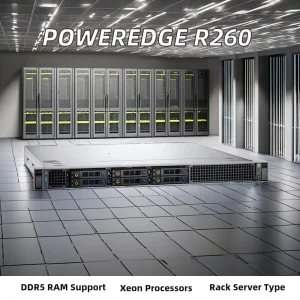
Deploying standard server platforms in isolation often leads to suboptimal data flow. When high-performance compute nodes, like Intel Xeon Silver or AMD EPYC platforms, lack high-throughput storage channels, CPUs spend idle cycles waiting for data. Integrating CE-certified Huawei storage arrays resolves this processing lag, allowing organizations to maximize their infrastructure investment.
Procuring IT hardware on a global scale presents several regulatory hurdles. Navigating the import requirements of different regions requires strict compliance. For deployments across the European Economic Area (EEA), the CE (Conformité Européenne) mark is a mandatory passport. It indicates that the equipment complies with essential safety, health, and environmental standards.
Our export processes are designed to address these requirements. Every unit shipped from our facility is accompanied by full technical documentation, covering:
With 30% of our systems destined for Eastern Europe, 30% for the Middle East, and 20% for Africa, we have developed localized logistic channels to streamline customs procedures. We work alongside global shipping networks to simplify clearance processes and avoid delays.
Furthermore, our systems are supported by structured hardware warranties, including 3-year warranty options on standard enterprise configurations. This coverage protects your investment and provides dependable operational support.
Answers to technical and compliance questions regarding our global storage and server shipments.
The CE marking ensures that hardware meets the required European safety, health, and environmental standards. It is mandatory for customs clearance in EEA countries. Without a verified CE declaration, equipment can face customs delays, confiscation, or compliance penalties.
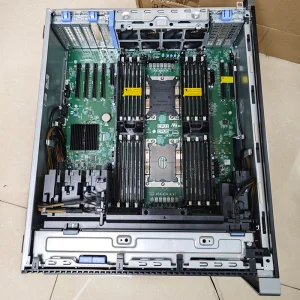
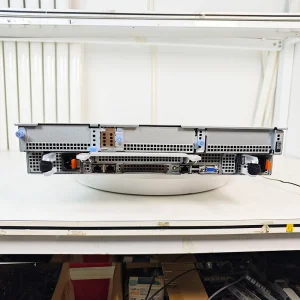
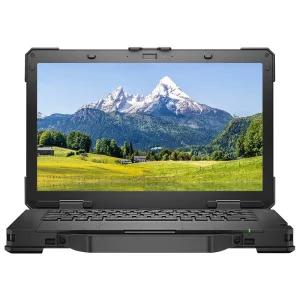
Yes. Our high-performance servers, including the Dell PowerEdge R760 virtualization hosts and T7920 workstations, can be configured with high-bandwidth GPUs and HBM2e memory cards. This hardware setup is optimized for local AI deployments, including fine-tuning and running inference on large language models.
Our facility operates under verified ISO 9001:2015 (Quality Management System, Cert No. 19824QJ2897R0S) and ISO 14001:2015 (Environmental Management System, Cert No. 19824EJ1279R0S) standards. Every system goes through 100% pre-shipment inspections to verify hardware stability.
FlashLink® coordinates the storage controller’s CPU with the SSD controller’s local processor. By aligning data layout with memory page sizes, it reduces write amplification, maintains consistent read speeds, and helps the system achieve sub-millisecond latency under heavy database workloads.
Our export distribution is centered on Eastern Europe (30%), the Middle East (30%), and Africa (20%). We partner with established logistics networks to ensure reliable transport, custom documentation support, and secure packaging for all international shipments.
Yes. We offer configuration flexibility, allowing buyers to select specific processors (such as Intel Xeon or AMD EPYC), memory modules (DDR4/DDR5), solid-state drives, and network interfaces to meet their specific database requirements.
 Aiserver Manufacturer