Explore our foundational rack solutions, compute nodes, and dynamic coprocessor modules configured for ultra-deep data workloads.
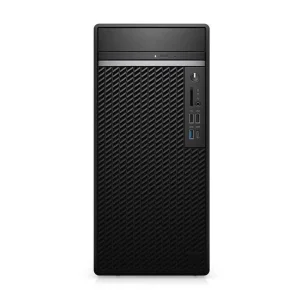

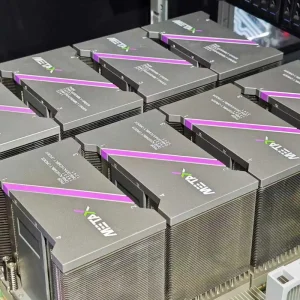
In the modern era of industrial intelligence, data analytics is no longer constrained to relational database lookups or post-hoc reporting. The paradigm has shifted decisively toward High-Performance Data Analytics (HPDA), where massive real-time telemetry, sensor arrays, global transactions, and unstructured deep learning databases must be parsed, computed, and acted upon instantaneously. The silicon underpinning this shift requires tailored systems: enterprise servers engineered for raw capacity, thermal stability, and maximum parallel compute capability.
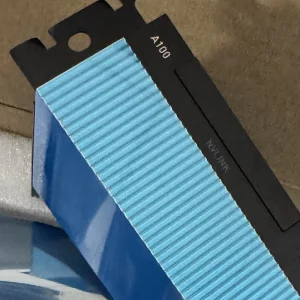
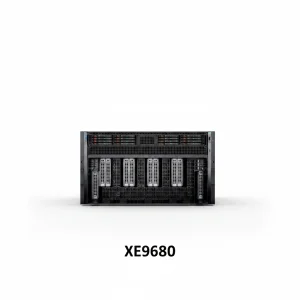
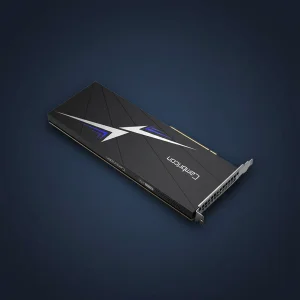
Standard off-the-shelf system configurations often fall short when processing multi-precision workloads or executing high-fidelity neural network models. By leveraging specialized OEM/ODM hardware design, global enterprises can customize everything from BIOS microcode tables and memory pathing to custom hardware acceleration pipelines (employing cutting-edge hardware, such as the A-100 80GB Custom Edition and Cambricon MLU370-X4 graphics arrays).
Standard servers suffer from I/O bottlenecks. In a data analytics context, data must traverse high-bandwidth lanes to preventing data starvation at the execution cores. Custom OEM integration guarantees the mapping of PCIe Gen 4/5 lanes directly to dual-socket Intel Xeon or AMD EPYC platforms to achieve predictable, zero-throttling latency metrics under maximum load.
Breaking down the technical execution of enterprise data systems to maximize IOPS and compute density.
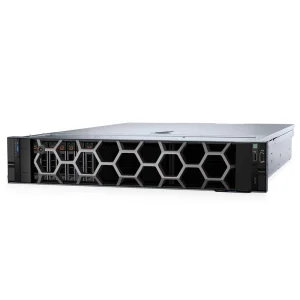
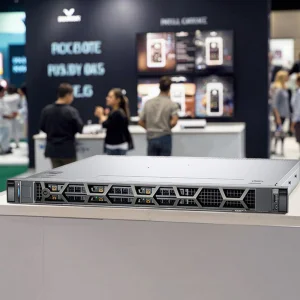
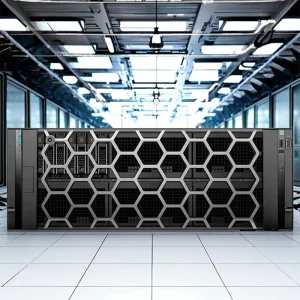
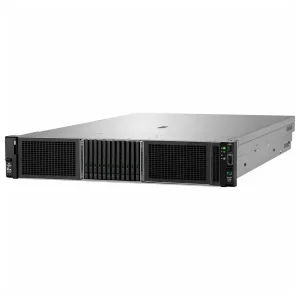
Modern server footprints like the 1U Dell PowerEdge R260 and 2U Dell PowerEdge R7725 / R760 prioritize optimal chassis aerodynamics and energy efficiency. By customizing the layout for high-density compute environments, systems can maximize rack unit efficiency (U-space) while sustaining thermal workloads up to 350W TDP per socket.
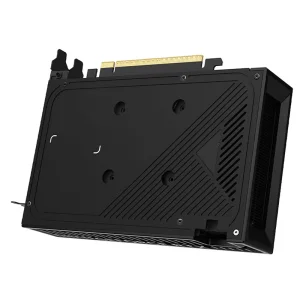
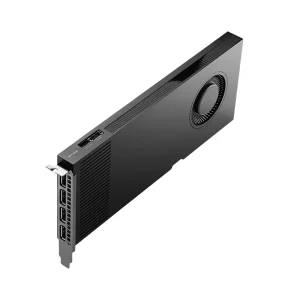
Utilizing dedicated multi-precision cards (such as the NVIDIA RTX 4000 Ada or high-throughput cloud GPUs) enables real-time tensor computations. The tight integration of GPU and CPU via low-latency interconnects drastically accelerates complex workloads like spatial tracking, financial forecasting, and deep-learning training cycles.
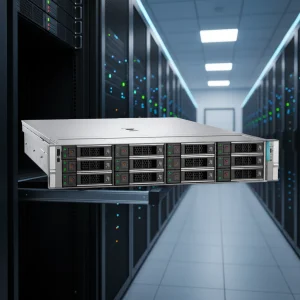
Leveraging storage servers like the Dell R570 2U High Capacity Storage guarantees that high-speed NVMe caches work in unison with enterprise SAS/SATA cold arrays. Custom OEM pipelines establish intelligent storage tiers, reducing read-write cycles and extending physical drive lifespan (MTBF).
A trusted technical supplier with strict compliance, validation protocols, and specialized R&D expertise.
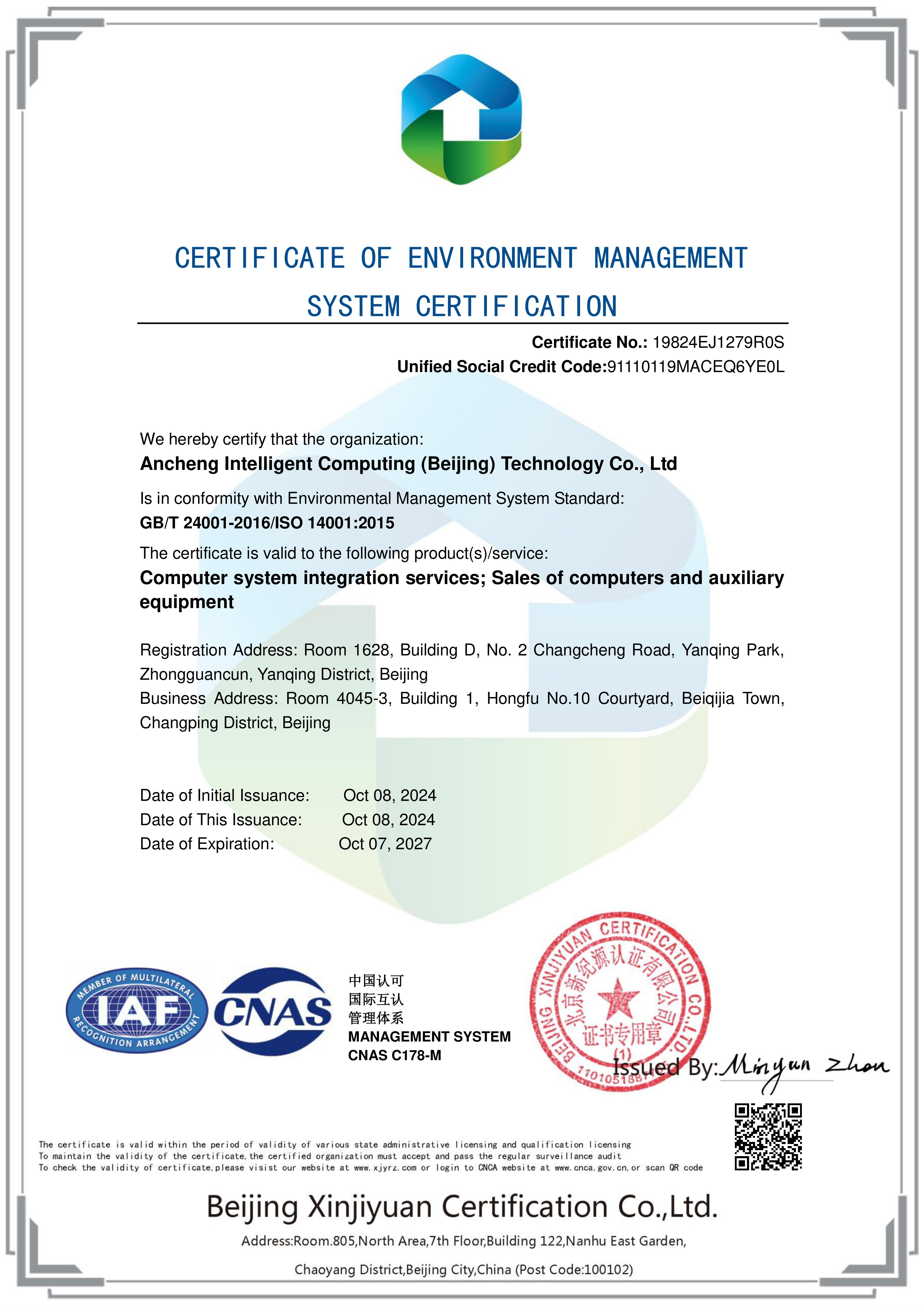
 ISO 14001
Reg: 19824EJ1279R0S
ISO 14001
Reg: 19824EJ1279R0S
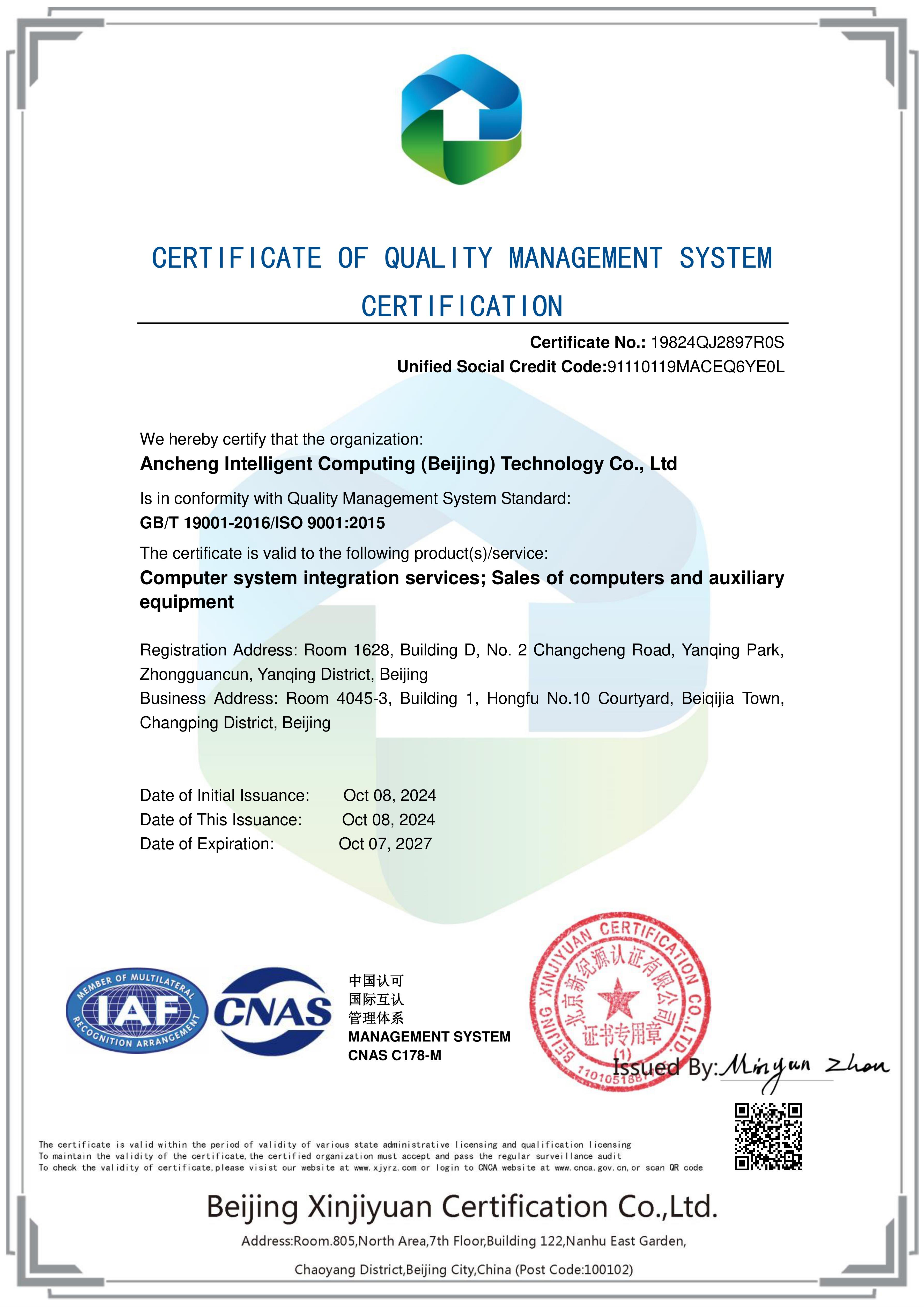
 ISO 9001
Reg: 19824QJ2897R0S
ISO 9001
Reg: 19824QJ2897R0S
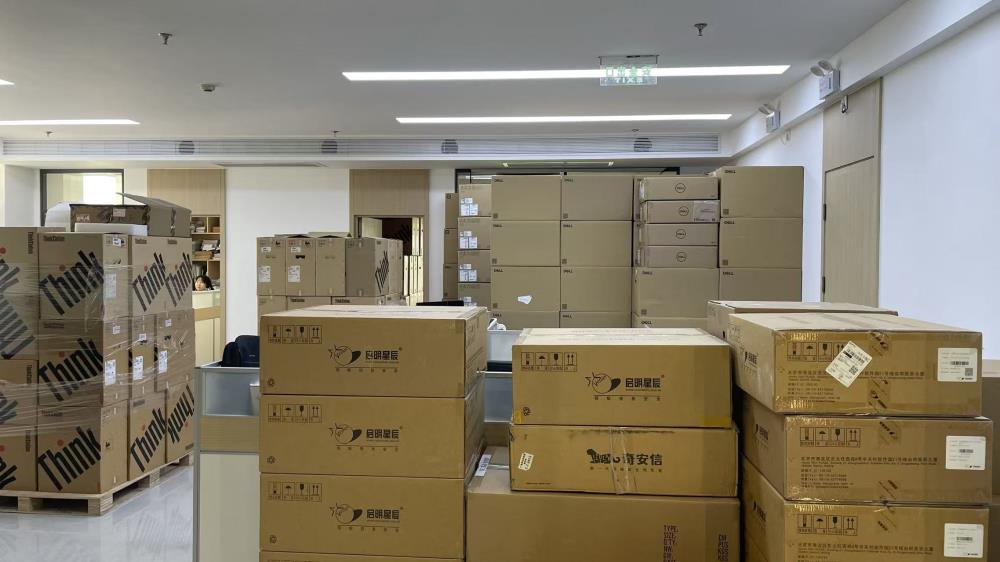
Our production lines operate under strict quality management frameworks. By ensuring 100% inspection of outgoing products—including severe burn-in tests under high processing thermal loads—we secure system reliability for missions where server downtime is not an option.
Deploying data analytics servers globally requires meticulous adherence to local market regulations, regional data protection codes, and environmental restrictions. In Eastern Europe, compliance demands strict conformity with CE directives and restriction of hazardous substances. In the Middle East, enterprise builds must account for harsh ambient temperatures, necessitating superior system cooling design and dust-resistant chassis options.
Additionally, in markets like Africa, energy grid inconsistencies demand robust, fault-tolerant power supplies (redundant 80 Plus Titanium hot-plug power supplies) and built-in remote management capabilities (such as IPMI 2.0 or iDRAC integrations) to allow remote debugging without physical infrastructure access.
The next generation of high-performance analytics will be powered by Compute Express Link (CXL) technologies and optical interconnects. By implementing shared memory spaces between clusters of CPUs and hardware accelerators, server architectures will largely eliminate traditional latency bottlenecks.
We are positioning our OEM engineering team to integrate DDR5 memory systems and PCIe Gen 6 structures directly into our customizable server nodes. This proactive research ensures our clients can rapidly deploy next-gen workloads, safeguarding their hardware investments against sudden changes in artificial intelligence models and massive database architectures.
Expert answers addressing infrastructure planning, customization options, and global deployment protocols.
Examine our enterprise-grade deep learning hardware, high-compute workgroups, and edge industrial platforms.
 Aiserver Manufacturer