OEM/ODM Firmware Manufacturer & Suppliers

Secure, enterprise-grade low-level hardware virtualization, specialized OpenBMC customization, and resilient Root-of-Trust engineering for hyper-scalable global infrastructures.

Featured Enterprise Solutions & Hardware Configurations

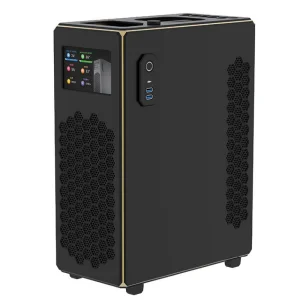
Fully Liquid Cooled ACYT Tower Workstation
Fully Liquid Cooled ACYT Tower Workstation-i9-14900K 128GB DDR5 4T NVMe RTX4090 24G*2 in Stock
View Product Specifications
New PowerStore 5000T Full Flash Storage Array
New PowerStore 5000T Full Flash Storage Array with NVMe SSD and 10GE Network-in Stock
View Product Specifications
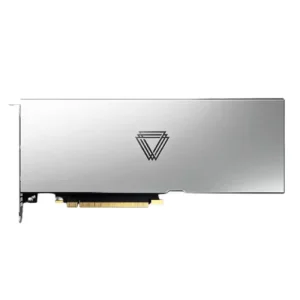
Brand New In-stock GPU AI Computing Inference
Brand New In-stock GPU AI Computing Inference Large Models Training GDDR6 Fan Moore Threads MTT S2000 32G Desktop PCIe Gen4.0
View Product Specifications
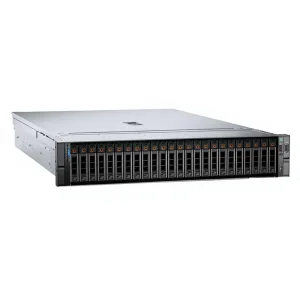
High Performance Dell PowerEdge R760 Rack Server
High Performance Dell PowerEdge R760 Rack Server 2U Intel Xeon Silver DDR5 RAM PCIe 5.0 Datacenter Infrastructure
View Product Specifications
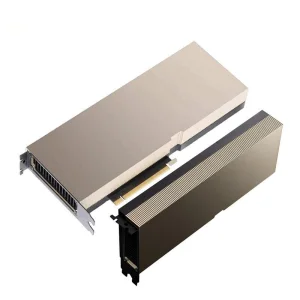
New Spot Tesla L40 48GB GPU
New Spot Tesla L40 48GB GPU Deep Learning Computing Edge Computing AI Server Graphics Card
View Product Specifications
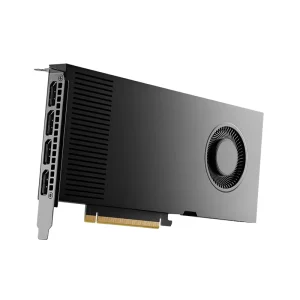
NVIDIA Industrial Standard RTX 4000
NVIDIA Industrial Standard RTX 4000 Ada 20GB Long Lifespan GPU Motion Graphic Creation Graphics Card Wholesale
View Product Specifications
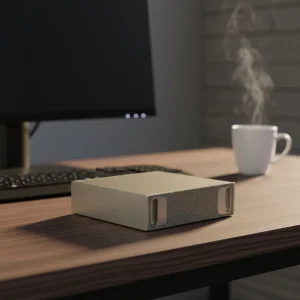
Manufacturer's Price DGX GB10
Manufacturer's Price DGX GB10 128G 4TB High-speed Cache High-performance Solid-state Drive Artificial Intelligence Host
View Product Specifications
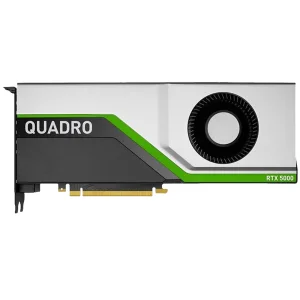
NVIDIA Professional RTX 5000
NVIDIA Professional RTX 5000 Graphics Card with Efficient Cooling for Design AI Computing
View Product Specifications

The Global Business and Industrial Status of Modern Firmware

In the contemporary landscape of high-performance computing (HPC) and hyper-scale data centers, firmware is no longer conceptualized simply as static boot code stored in a persistent chip. Instead, it serves as the fundamental translation layer that bridges complex silicon logic with modern cloud OS virtualization architectures. Globally, the industrial importance of customized OEM/ODM firmware has surged, primarily driven by the transition toward zero-trust security parameters, cloud-native deployments, and heterogeneous artificial intelligence architectures.

At the silicon level, enterprise servers and workstations rely on dynamic interface systems to configure PCIe lane distributions, enforce thermal management algorithms, and coordinate Hardware Root of Trust (HRoT) validation mechanisms. Modern firmware environments, including Unified Extensible Firmware Interface (UEFI), LinuxBoot, and open-source Baseboard Management Controller (OpenBMC) architectures, are key elements of modern operations. They optimize platform startup sequences, lower Boot Time Overhead (BTO), and deliver real-time system metrics to centralized management platforms.

3+
Years Exporting
100%
Inspection Rate
ISO
9001 & 14001
10+
Supply Chain Partners

From a commercial perspective, hyperscalers and enterprise organizations are moving away from proprietary, monolithic BIOS layouts. The focus has shifted toward customizable, open-standard implementations that allow cloud systems engineers to strip unnecessary modules, reducing vulnerabilities. Our role as an OEM/ODM developer is to provide the custom modifications needed to achieve high boot speeds, platform security, and seamless API integration for automated server deployments.
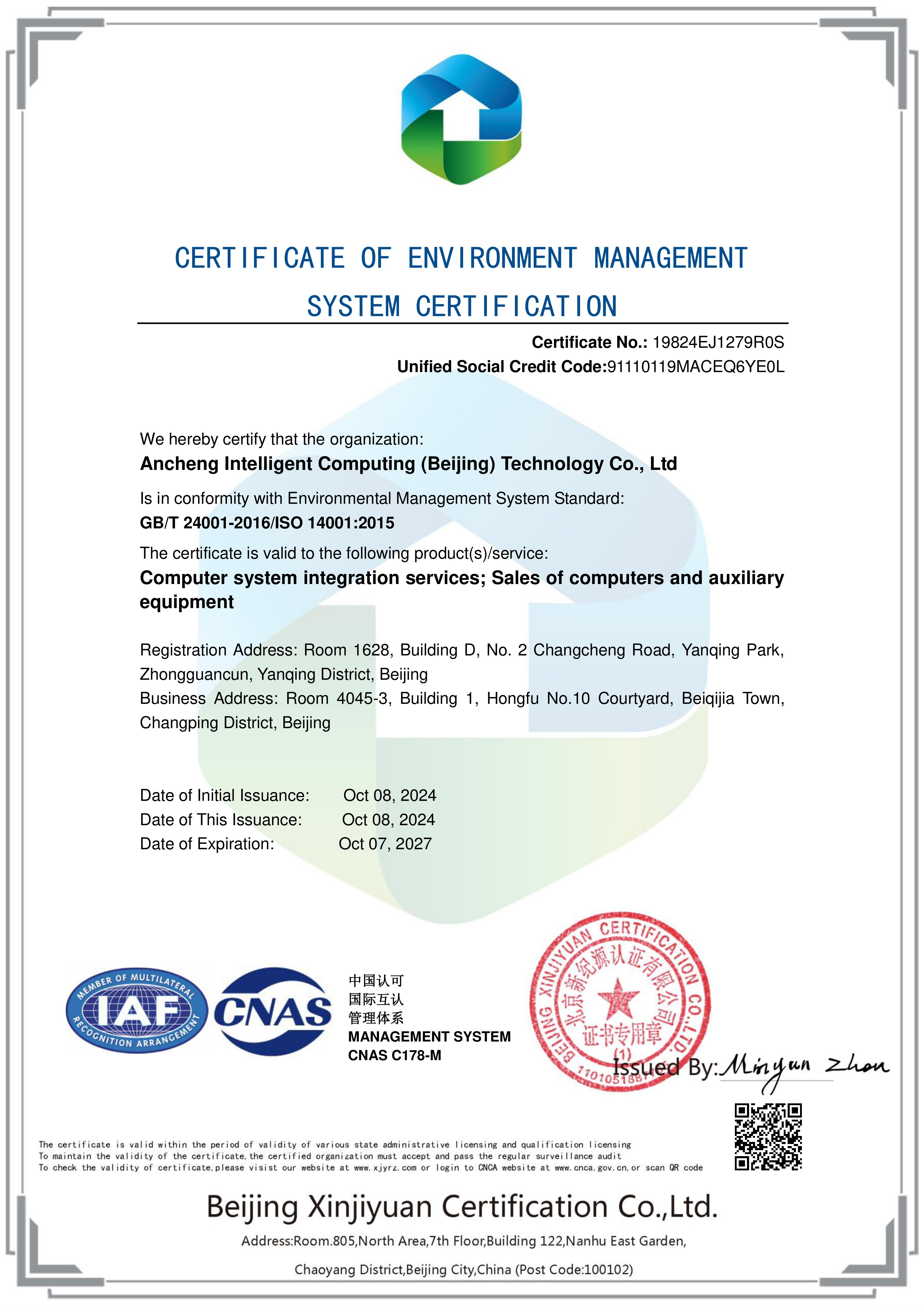
Verified Organization Profile & Compliance Data

Technical & Operational Overview

ISO Logo ISO 14001
ISO Logo ISO 9001 Certified
Establishment & Footprint
Registration Date 2023-04-10
Facility Floor Space 200 ㎡
Accepted Language English
Quality & R&D Control
Raw Material Traceability Yes, Full Traceability Support
Product Inspection 100% Inspection of All Units
QA/QC Inspectors 1 Dedicated Lead Inspector
R&D Team Configuration 1 Graduate Level Research Engineer
Geographic & Market Reach
Eastern Europe 30% Market Share
Middle East 30% Market Share
Africa 20% Market Share
Target Client Profiles
Enterprise Focus Brand Owners, Engineers, Wholesalers, OEMs
Supply Chain Network 10 Industry-Level Suppliers
Years in Industry 3 Years

China Factory Efficiency & System Integration Advantage

The concentration of electronic design, assembly, and testing pipelines in China creates a highly efficient manufacturing hub. In the computing sector, this proximity supports rapid firmware development and integration. For instance, configuring low-level UEFI protocols to coordinate with hardware components like the NVIDIA RTX 6000 Ada or high-capacity PowerStore storage arrays requires close integration between hardware and software engineering teams.

Our facility leverages this local integration to optimize product design and validation cycles. Rather than sending firmware packages back and forth across continents, our local engineers collaborate directly with chip designers and hardware manufacturers. This direct feedback loop enables rapid testing of motherboard designs, custom silicon revisions, and peripheral options. By running real-time debugging directly on active assembly lines, we can resolve early-stage integration challenges, such as PCIe Gen 5.0 signal integrity issues or memory controller timing errors, in a fraction of the time required by remote teams.
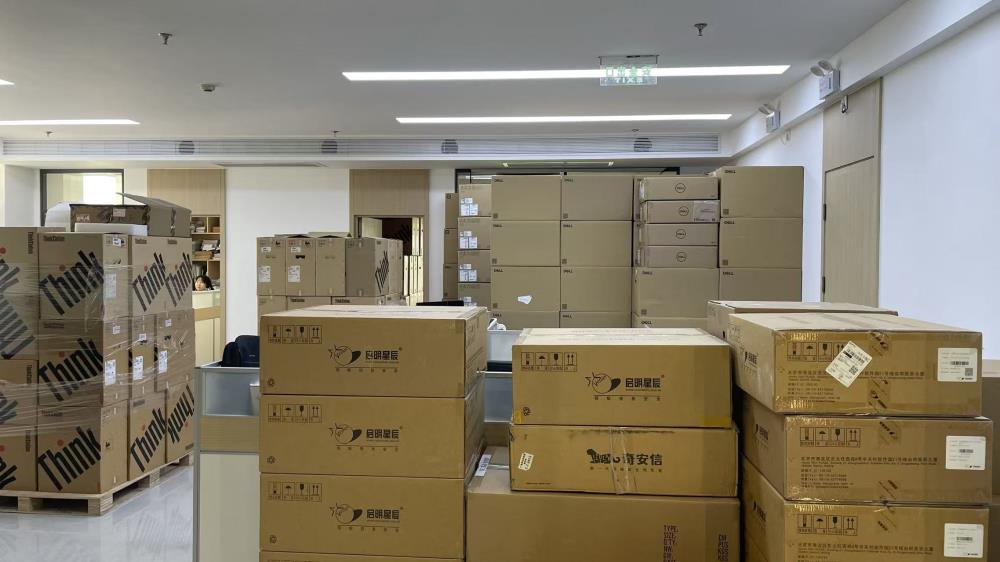
AI Server Manufacturing & High-End Processing Unit Line

Additionally, we maintain a comprehensive traceability pipeline that starts at the component sourcing phase. In compliance with ISO 9001 and ISO 14001 standards, each passive component, flash controller, and integrated circuit is serialized and tracked. This ensures that the baseboard management firmware can match each hardware component to its verified batch history. Consequently, our 100% inspection process checks not only for physical assembly quality but also verifies that the correct, unaltered firmware binary is securely flashed onto the storage ICs before dispatch.

Custom OEM/ODM Firmware Applications

AI Inference Clusters

Optimizing firmware thermal throttling limits and memory allocation tables to prevent performance drops during training runs on GPU-dense configurations like the Tesla L40 or Moore Threads systems.

Liquid-Cooled Workstations

Configuring customized firmware registers that monitor pump flow rates and fan curves dynamically, enabling reliable operation under high workloads on platforms using Intel Core i9-14900K and dual RTX 4090 configurations.

All-Flash Storage Arrays

Fine-tuning NVMe storage firmware for low-latency writes, managing drive rebuild protocols, and establishing hot-plug features for high-speed cache nodes without causing system errors.

In addition to these system-level use cases, customized firmware configurations are valuable in highly regulated sectors. In financial services, where data path speed is a key metric, we configure customized PCI Express bridge topologies within the motherboard BIOS to reduce message transit times. In industrial edge computing installations, our team deploys custom boot configurations that allow nodes to boot reliably even under volatile power conditions. This configuration bypasses non-essential boot checks to keep local systems operating continuously.

Key Developments Shaping the Global Firmware Market

1. The Transition to Open-Source and Unified Code Bases

The custom firmware market is moving steadily toward open-source platforms, with OpenBMC leading this shift. Historically, enterprise server manufacturers used proprietary baseboard management controller code, which limited customization options and made customers dependent on specific vendors. Today, enterprises request OpenBMC configurations due to their transparency, modular design, and simplified security auditing. As an OEM/ODM provider, we integrate OpenBMC into server motherboards to give system administrators direct control over hardware monitoring, fan speed algorithms, and security settings.

2. Zero-Trust Hardware Protocols

As security challenges move closer to the hardware layer, standard software defenses are no longer sufficient. Modern firmware designs must support active runtime verification, secure boot paths, and cryptographic key storage. Implementations like Intel's Platform Firmware Resilience (PFR) use an external Root of Trust chip (such as an FPGA or Secure MCU) to monitor the system bus. This design detects if the main SPI flash memory has been altered, automatically restoring a verified backup image if necessary. This protection is critical for servers deployed in edge locations where physical security is limited.

3. Supply Chain Verification

Global procurement teams now require detailed verification for all system levels, including hardware, firmware, and component sourcing. Modern procurement processes demand clear documentation for each firmware component to prevent supply chain tampering. As a result, firmware suppliers must offer detailed manifests that track everything from early-stage code commits to the final binary compilation. Our quality control processes incorporate this tracking, ensuring that every server, workstation, and storage node is delivered with a verified, secure boot path.
Frequently Asked Questions

What is the difference between OEM and ODM firmware customization options?
OEM (Original Equipment Manufacturer) customization involves applying minor modifications, custom branding, specific default settings, and designated keys to our existing baseline firmware (such as our standard UEFI or OpenBMC builds). ODM (Original Design Manufacturer) customization involves co-developing bespoke low-level firmware for new hardware designs. This includes configuring specific memory settings, designing custom PCIe lane distributions, and setting up unique GPIO functions to support custom motherboards and proprietary interface cards.
How does custom firmware ensure security on GPU servers and workstations?
Custom firmware provides security by implementing a secure boot environment that verifies cryptographically signed firmware binaries before execution. Using a secure chip built directly into the motherboard, the system blocks unsigned or modified code. This protects the boot cycle from low-level threats like rootkits or bootkits, ensuring that GPU accelerators, custom SSD controllers, and high-performance network cards only run authorized code from the start of the system boot sequence.
Can you provide custom OpenBMC implementations for remote management?
Yes, we write and compile custom OpenBMC distributions tailored for our hardware range. This includes configuring Redfish API endpoints, setting up custom web management interfaces, and defining specific monitoring rules for critical system parameters (such as fan speeds, voltages, and thermal states). This open structure allows clients to manage server nodes remotely within their existing datacenter platforms, avoiding vendor lock-in.
How does your factory handle quality control during the firmware installation phase?
Our quality control process uses automated flashing systems that write verified firmware binaries directly onto motherboard chips. Once flashed, the system runs a verification cycle to match the checksum of the installed code against our master release. Afterward, the hardware undergoes functional testing where automated scripts check the interface connections, ports, and hardware sensors. This ensures that every shipped device functions as expected.
What documentation and compliance certifications do you supply with your hardware?
All shipments include complete material documentation, CE/FCC compliance records, and ISO 9001/ISO 14001 certificates. For customized firmware configurations, we also provide build documentation containing cryptographic keys, verified code details, and deployment logs. This information helps your security team verify the hardware configuration at delivery.

High-Performance Compute & Datacenter Components

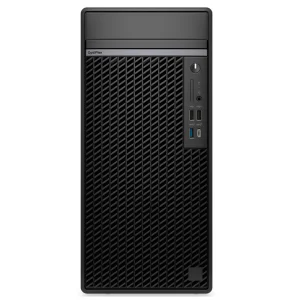
OptiPlex Tower Plus - Premium Customization
OptiPlex Tower Plus - Premium Customization Model: 7020 Plus I9-14900K 8G 512GSSD
View Product Specifications
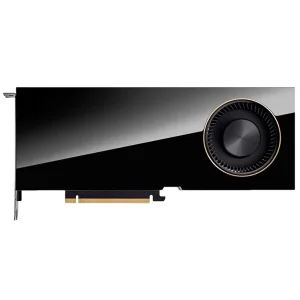
High Performance NVIDIA RTX 6000 Ada
High Performance NVIDIA RTX 6000 Ada Generation 48GB GDDR6 Professional Graphics Card with ECC for Workstation and Server
View Product Specifications
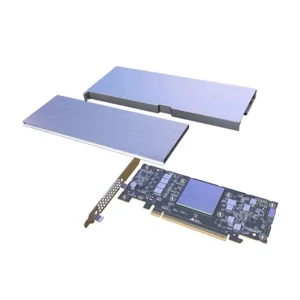
Nanometer Process Enterprise-level Graphics Card
Nanometer Process Enterprise-level Graphics Card Compatible Development Framework 64GB Video Memory Deep Learning Graphics Card
View Product Specifications
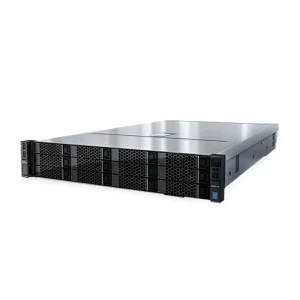
Super Fusion 2288HV5 Rack Server
Super Fusion 2288HV5 Rack-mounted Server Web Application Host with 1 Silver 4208 CPU, 32GB Memory, and 3*4TB Storage.
View Product Specifications
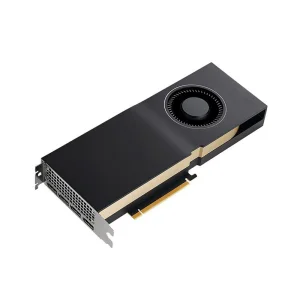
New in Stock Professional Rendering Modeling Graphics
New in Stock Professional Rendering Modeling Graphics RTXA5000 24GB Professional-grade GPU Graphics
View Product Specifications
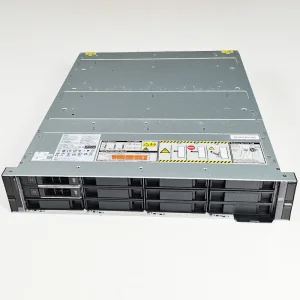
New PowerVault MD2412 JBOD DAS Storage
New PowerVault MD2412 JBOD DAS Storage 12 Drive/2U 210-BGFS in Stock
View Product Specifications
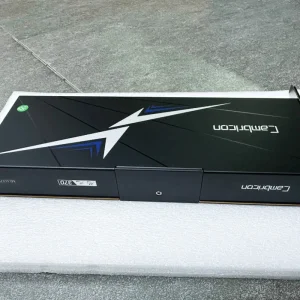
Stable and Reliable Cambricon MLU370-X8
Stable and Reliable Cambricon MLU370-X8 Graphics Card Suitable for Modern Data Centers and Cloud Services
View Product Specifications
NVIDIA RTX 5050 Gaming Graphics Card
NVIDIA RTX 5050 8GB GDDR6 High Performance Gaming Graphics Card with Triple Fan
View Product Specifications