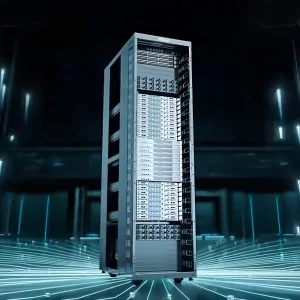
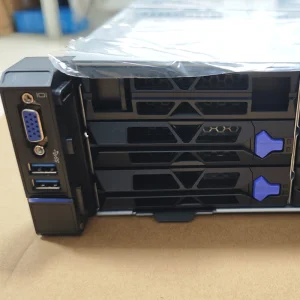
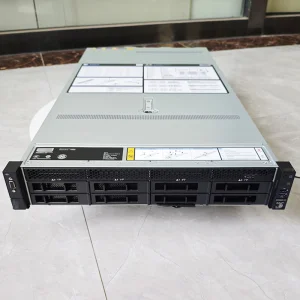
Industrial-grade workstation systems and graphics units powering multi-display environments and real-time visualization applications
An authoritative analysis of industrial display systems, panel engineering, and critical control infrastructures.
The global industrial and commercial display sector is undergoing a rapid technological evolution. No longer limited to simple output screens, modern display terminals serve as the interactive visual endpoint for complex computing grids, mission-critical operations, and AI-driven rendering workloads. High-resolution displays, ultra-wide command arrays, and robust industrial touchscreens are crucial in manufacturing plants, scientific laboratories, municipal surveillance facilities, and global trading hubs.
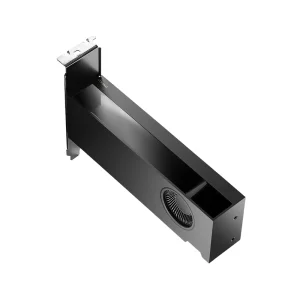
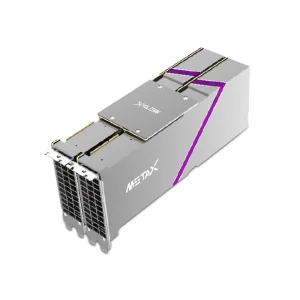
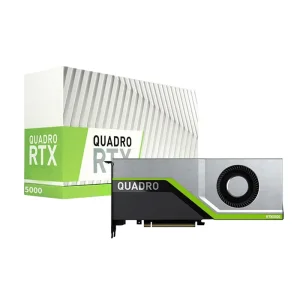
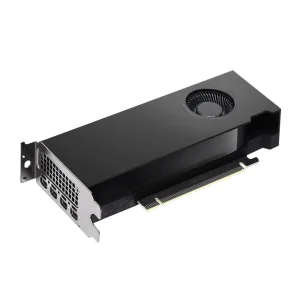
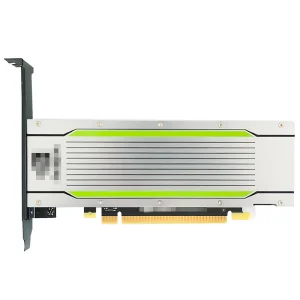
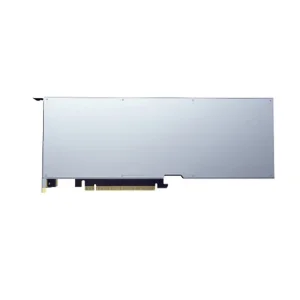
As deep-learning architectures, real-time spatial computing, and professional GPU systems (such as the NVIDIA RTX and Tesla platforms displayed above) demand display outputs capable of reflecting accurate colors, high refresh rates, and extremely low response latencies, top-tier monitors must adapt to higher standards of precision. China's monitor manufacturers have emerged as vital anchors of this industrial ecosystem, transitioning from simple assembly facilities to frontrunners in advanced optoelectronic engineering, automated manufacturing, and smart display integration.
Designed for continuous 24/7/365 operations, featuring redundant power units, low electromagnetic interference (EMI) profiles, and optimized contrast parameters to minimize fatigue during long monitoring shifts.
Engineered for high DICOM conformity, featuring self-calibration capabilities, stable backlights, and ultra-high resolutions (8MP or higher) for diagnostic medical imaging pipelines.
Featuring heavy-duty IP65-rated front bezels, wide operating temperature ranges, capacitive or resistive touch capabilities, and high vibration resistance for demanding factory environments.
Leveraging industrial clusters, optimized logistics, and rigorous standardization protocols.
The efficiency of top China monitor exporters does not lie solely in labor cost advantages. Instead, it is driven by deep horizontal and vertical integration within regional electronics clusters (specifically in Guangdong, Sichuan, and Anhui). These hubs bring glass substrate manufacturers, polarizer processors, backlight unit assembly lines, and PCB layout houses into close geographic proximity. This reduces shipping overheads, simplifies design iterations, and enables fast response cycles for custom orders.
Furthermore, standardizing display hardware requires strict alignment with global trade laws and safety parameters. Manufacturers conform to comprehensive certifications, including ISO 9001 for quality systems and ISO 14001 for environmental footprints. This ensures that every monitor, industrial screen, or associated compute terminal meets international regulations, including CE, FCC, RoHS, and UL safety standards.
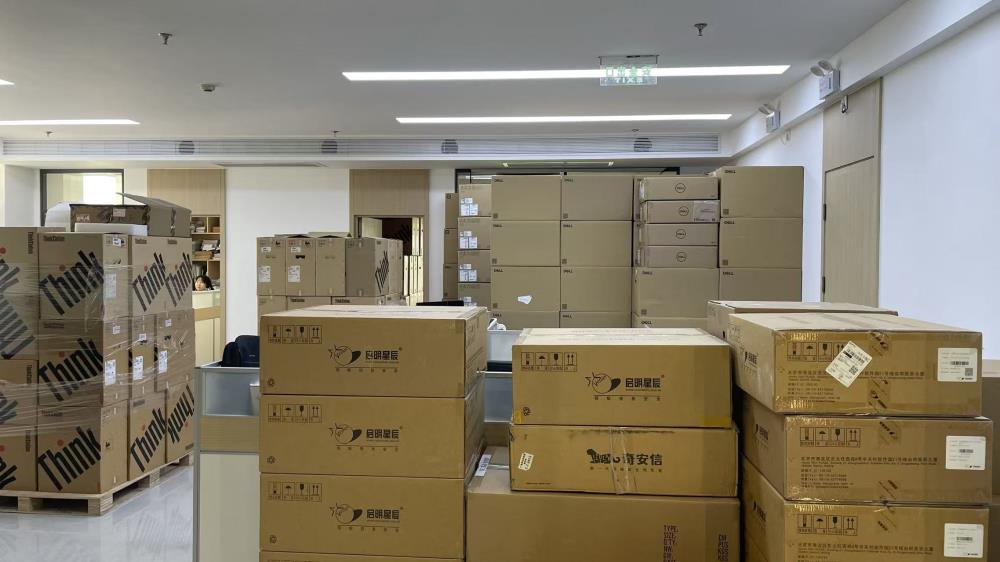
Transparent corporate data and operational credentials for global enterprise sourcing.
The production ecosystem is certified under internationally recognized quality and environmental standards, ensuring compliance for large-scale enterprise deployments.
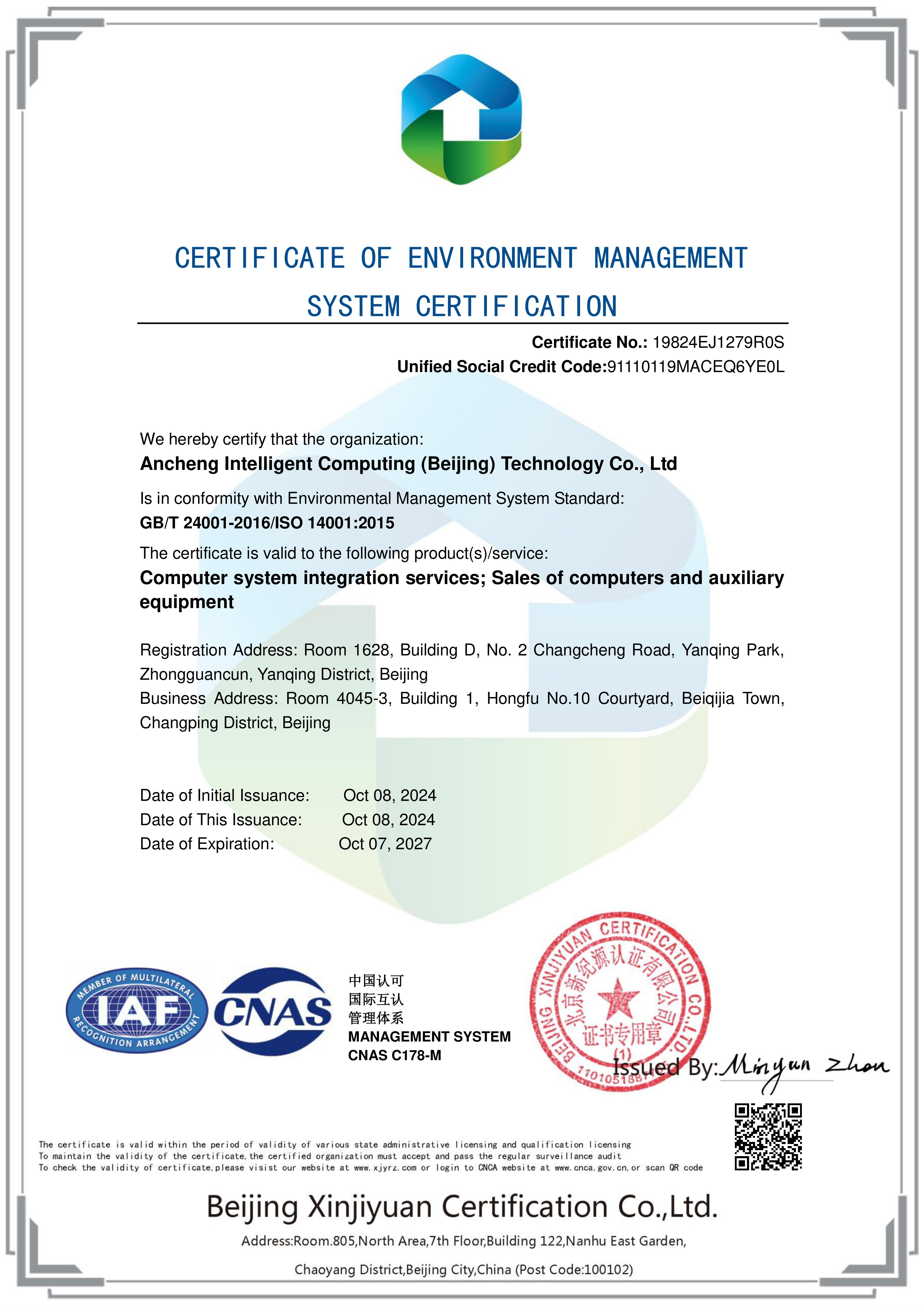
 ISO14001 Cert: 19824EJ1279R0S
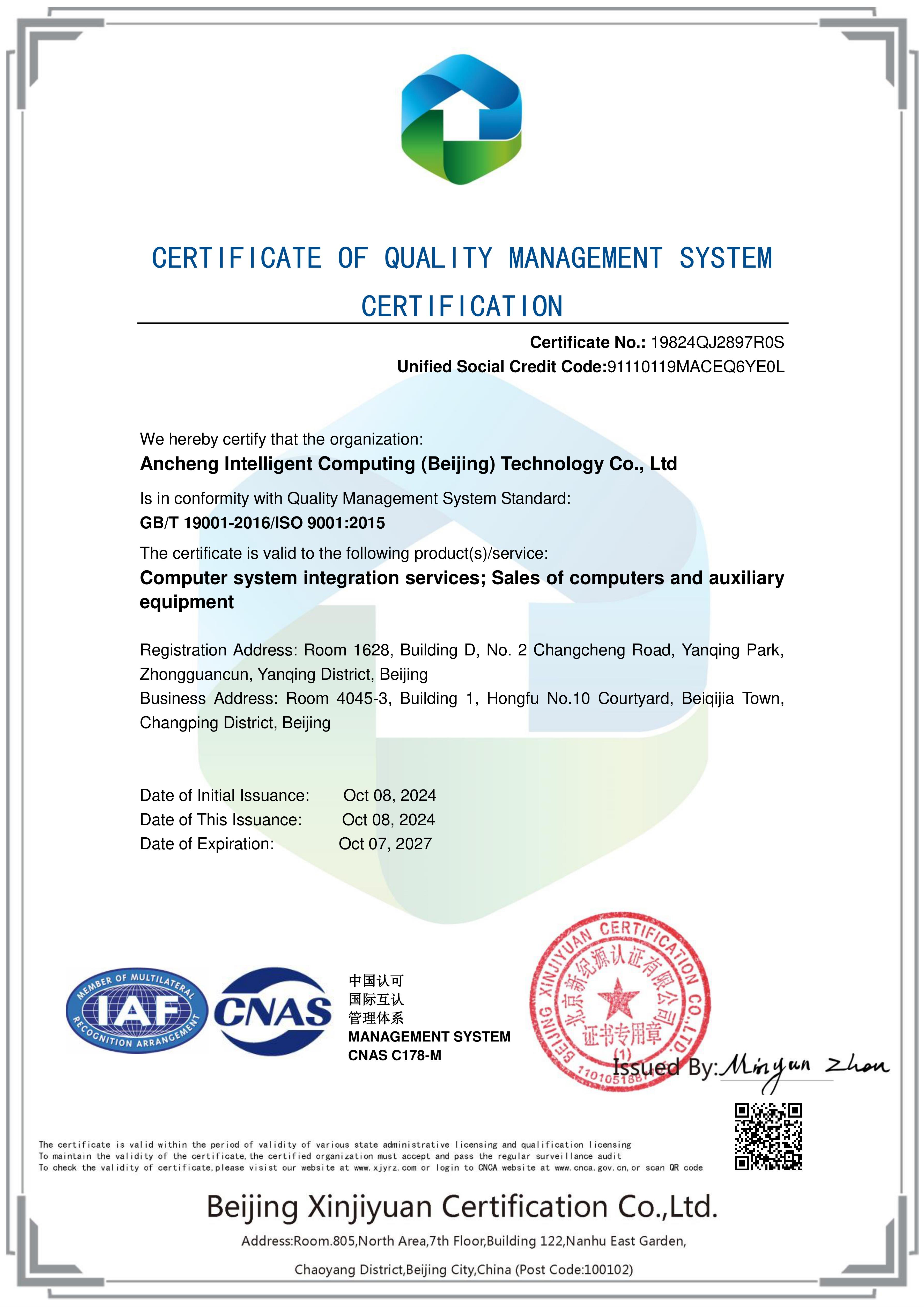
 ISO 9001 Cert: 19824QJ2897R0S
How system integrators customize visualization stacks for target business sectors.
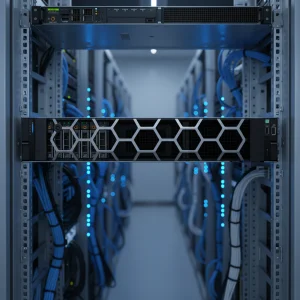
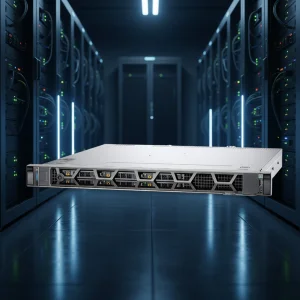
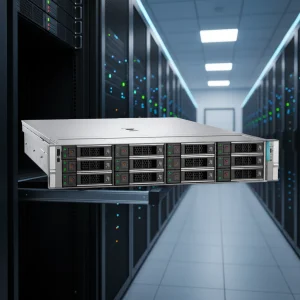
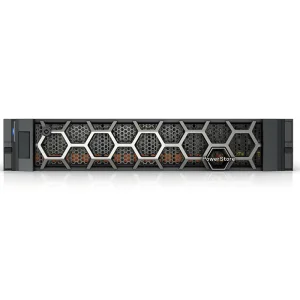
Smart city management centers require dozens of displays running continuously. These monitors display high-resolution video streams from hundreds of cameras, complex traffic algorithms, and public utility maps. These configurations rely on high-capacity rack servers, such as the Dell PowerEdge series, and ray-tracing GPUs to process metadata and render visual interfaces with minimal frame drops or pixel lag.
For aerospace design, automotive styling, and architectural rendering, color accuracy (Delta E < 1.5) and high color gamut coverage (DCI-P3, Adobe RGB) are essential. When paired with high-performance professional workstations (such as the NVIDIA RTX series), these advanced displays allow engineers to visualize lighting models, fluid dynamics, and stress distributions in real time, accelerating the prototyping process.
On chemical processing lines and offshore oil platforms, displays must withstand dust, water ingress, and varying temperatures. Exporters offer displays with fanless designs, anti-glare coatings, wide viewing angles, and high brightness levels (up to 1000 nits) to maintain clear visibility under direct sunlight, ensuring reliable operations in challenging environments.
Key technical answers for procurement directors, system engineers, and OEM/ODM buyers.
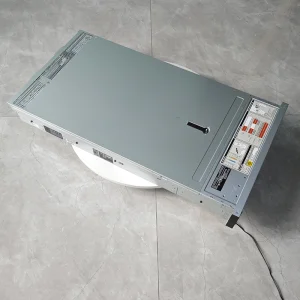
High-throughput compute platforms and storage arrays that drive complex display matrices and real-time visualization applications
 Aiserver Manufacturer