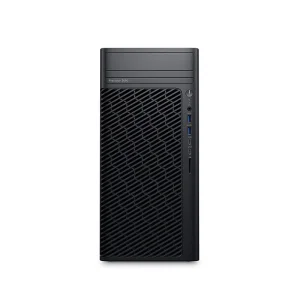
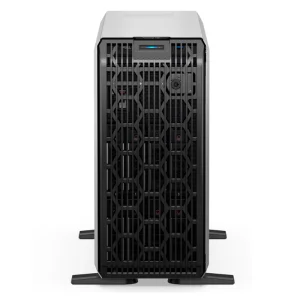
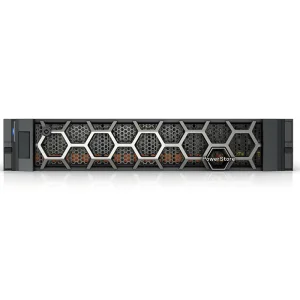
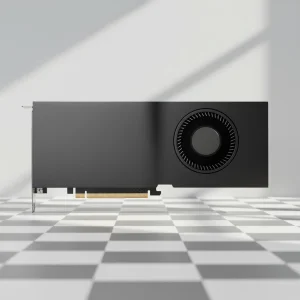
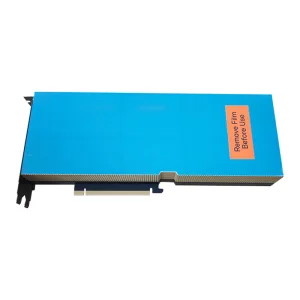
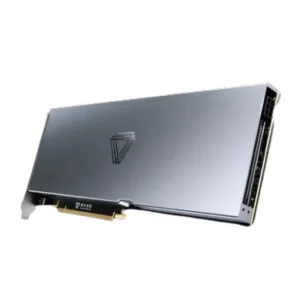
High-throughput network adapters, processing hardware, and core enterprise storage servers selected for modern data pipelines.
Modern telecommunication structures demand an unprecedented volume of data throughput, driving the global market for Network Interface Cards (NICs) to adapt rapidly. As enterprises transition from legacy gigabit connections to hyper-fast 10G, 25G, 100G, and 400G ethernet frameworks, sourcing components from reliable exporters in China has become a primary operational standard for global system integrators.
Our manufacturing cluster in China leverages mature industrial ecosystems, cutting-edge chip packaging facilities, and an unmatched component procurement network. This ensures we produce network interfaces and computing cards that meet or exceed Western performance benchmarks, while maintaining highly competitive pricing models. In an era where hardware latency directly dictates transaction speed and AI execution times, our network components act as the critical backbone for next-generation data centers.
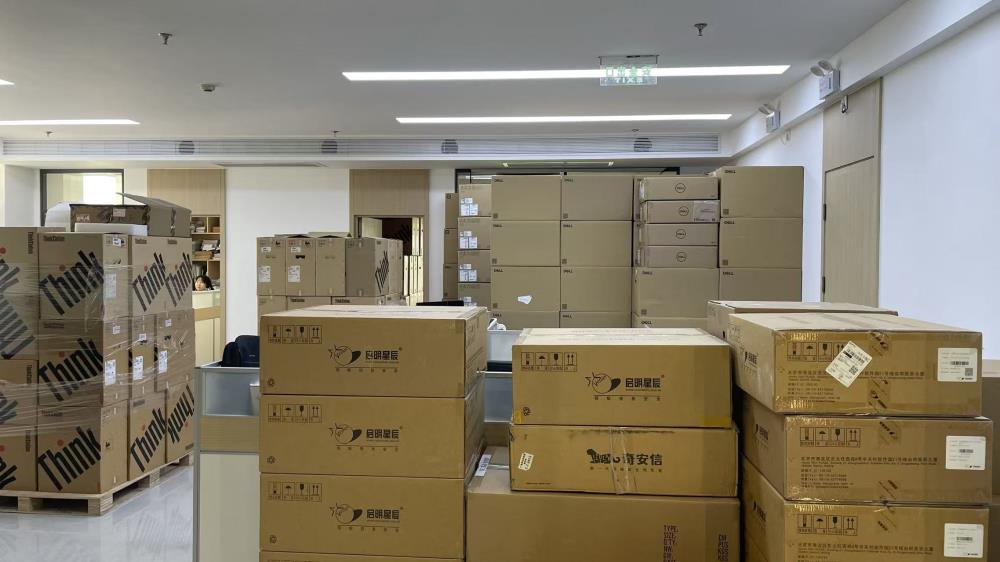
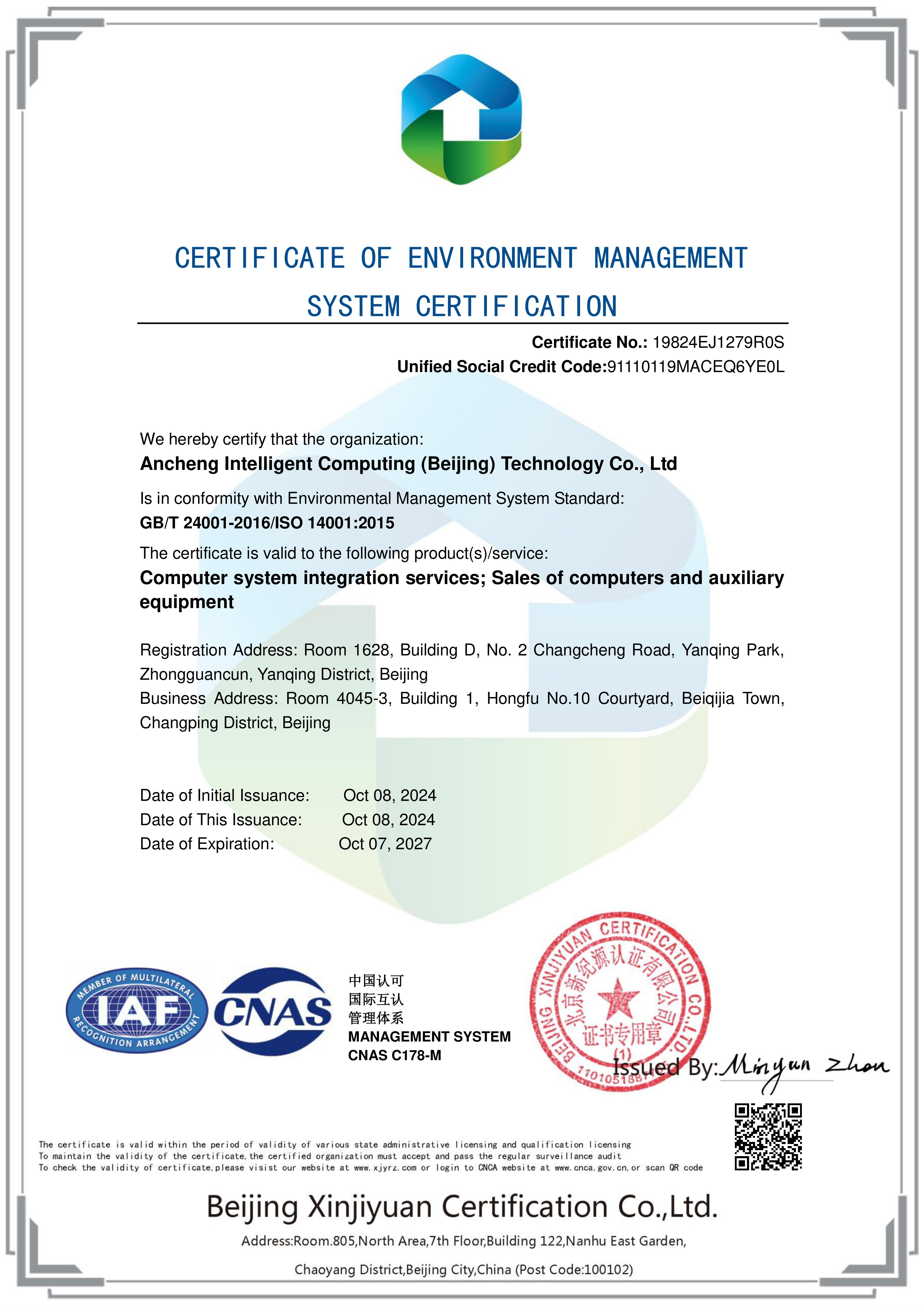
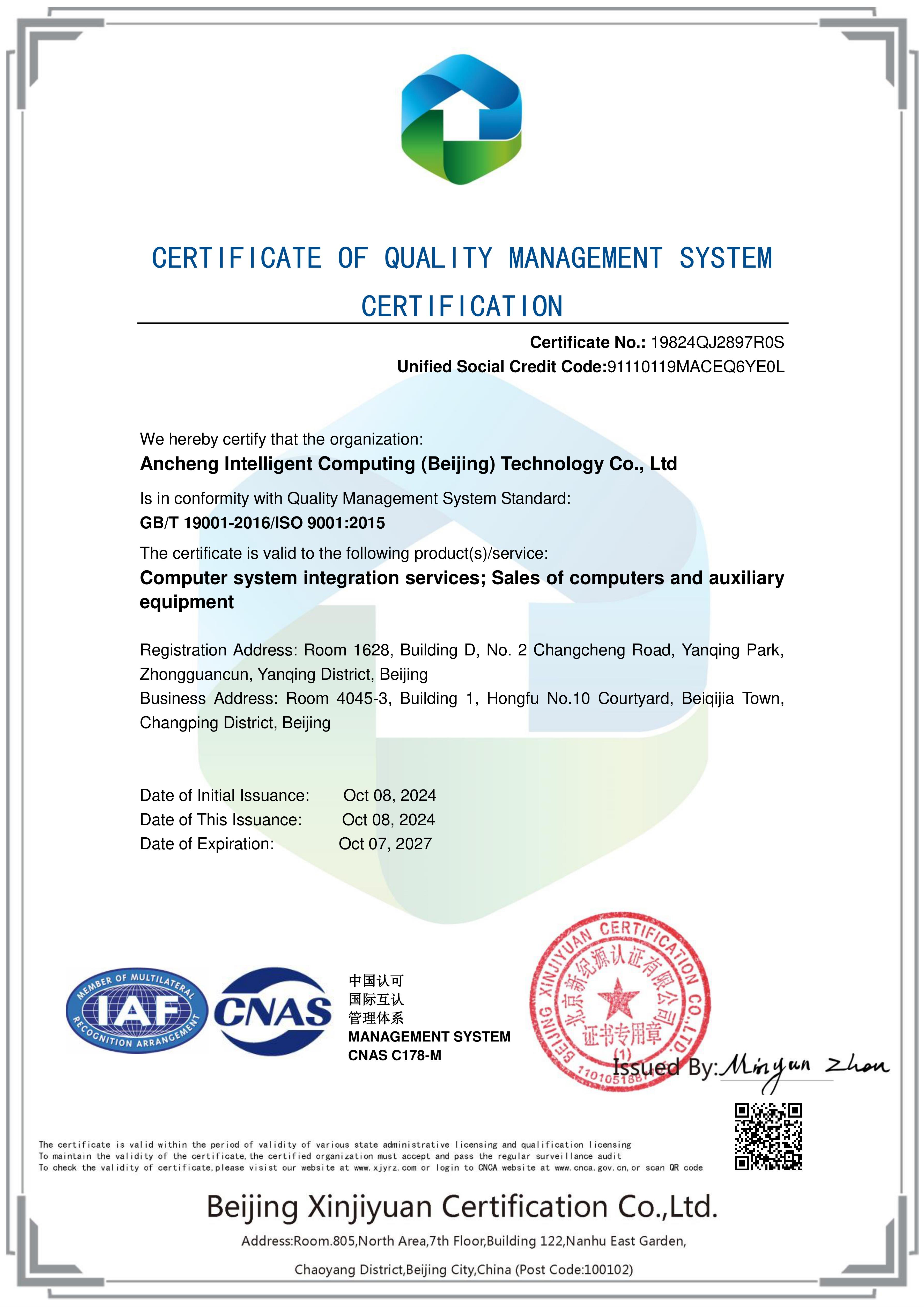
Transparent production metrics and compliance certifications validating our operational integrity.
We maintain a rigorous quality assurance flow to prevent critical defects in enterprise components. Our dedicated testing engineers run simulated thermal stress cycles and multi-gigabit packet transmission tests. With our products deployed extensively across Eastern Europe (30%), the Mid East (30%), and Africa (20%), compliance with localized certifications is guaranteed.


Analyzing the structural shift toward high-speed bandwidth, smart-NICs, and low-latency rendering pipelines.
Traditional Network Interface Cards are evolving. Modern architectures offload security, virtualization (like SR-IOV), and storage management from the host CPU directly to SmartNICs or Data Processing Units (DPUs), keeping data paths hyper-efficient.
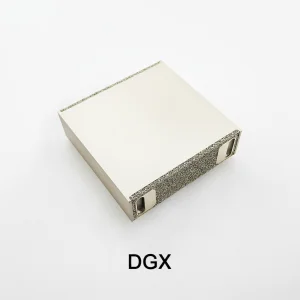
RDMA over Converged Ethernet (RoCE) allows direct memory access across hosts without CPU intervention. This is essential for scaling high-speed caching setups like DGX platforms or NVMe storage pools over standard Ethernet switches.
Transitioning to optical transceivers is crucial for minimizing signal degradation across server racks. Exporters now design network cards to natively accommodate both DAC copper and SFP28/QSFP56 transceivers.
In modern enterprise environments, networking is rarely an isolated problem. It is part of a holistic system of processing power, storage latency, and memory speed. Let's analyze how standard industry solutions utilize enterprise servers, GPUs, and network systems in harmony:
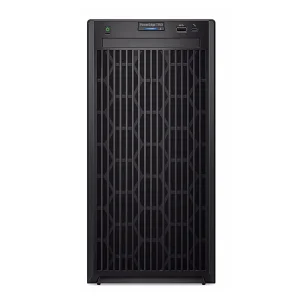
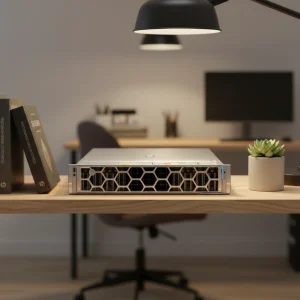
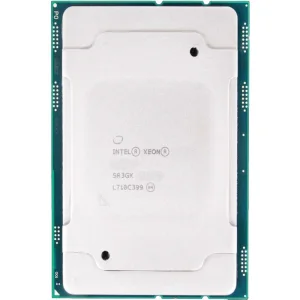
For mid-sized enterprises executing complex business processes via software like Kingdee or UFIDA, the CPU-to-storage-to-network pipeline must stay clear. If you deploy a server like the **Dell PowerEdge T150** with an Intel Xeon E-2314 processor, network card selection determines how quickly remote terminals query database tables. Utilizing network interfaces that support link aggregation (LACP) ensures high availability, preventing localized connection drops that can corrupt critical database registries during transactional operations.
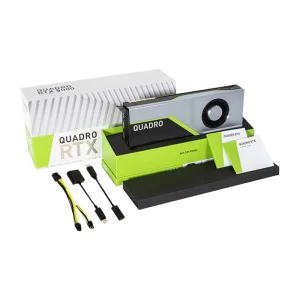
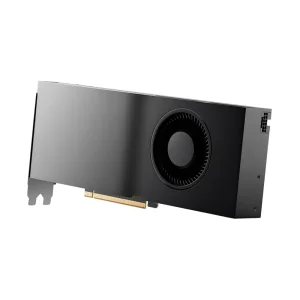
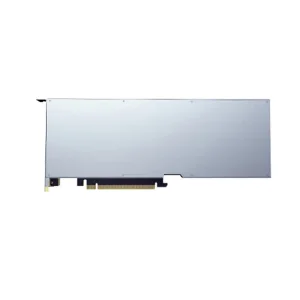
When training large language models or running massive metadata rendering pipelines on server systems housing cards like the **NVIDIA A40 48GB GDDR6** or **RTX 4500 Ada Generation**, the network interfaces become a primary bottleneck. Without a network pipeline that can match the processing capabilities of high-performance GPUs, clusters spend idle cycles waiting for data segments. Sourcing network components that natively support PCIe Gen 5 speeds allows for rapid data transfer between rendering workstations and local storage arrays, maximizing GPU resource utilization.
High-performance video decoding stations handling up to 128 channels of real-time security footage require network subsystems designed for continuous, high-volume stream ingestion. A multi-channel configuration must prevent packet drops that lead to dropped video frames. System engineers select specific high-bandwidth dual-port SFP+ network cards to divide network ingestion pathways from internal database storage lines, creating a dual-ring isolated topology.
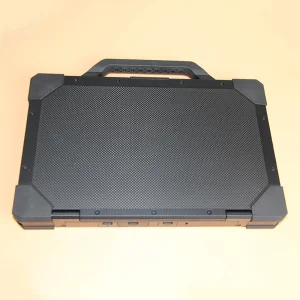
Sourcing rugged field gear, such as the **L 5430 Rugged Laptop**, requires hardware that remains resilient under extreme physical stress. In field operations—such as automotive testing, mining telemetry, or oil rig networking—integrated network interfaces must survive constant vibrational shock and wide temperature deltas. China's rugged computer manufacturing ecosystem provides highly customized network modules (from RJ45 to custom serial/optical variants) designed to maintain network persistence under external mechanical strain.
Technical query mining addressing real procurement doubts of worldwide enterprise engineers.
Select from our extensive supply chain portfolio of high-performance servers, GPUs, and enterprise assets.
 Aiserver Manufacturer