Explore our active catalog of high-availability virtualization servers, storage arrays, and local deep learning deployment systems engineered for spatial computing hubs.
The convergence of real-world environments with spatial data interfaces has transitioned from pilot experiments to massive industrial adoption. Heavy manufacturing, aviation assembly lines, surgical facilities, and advanced logistics chains are procuring specialized computing architecture to back their Augmented Reality (AR) applications. For modern factories, AR is not merely a headset problem; it is a backend compute, storage pipeline, and data throughput bottleneck.
To deliver real-time spatial overlays without disorienting latency, enterprise backends must process terabytes of environmental mapping data (SLAM) and execute AI-driven object detection algorithms. This demand drives structural procurement towards multi-processor high-availability systems and accelerated GPU servers. As procurement managers coordinate global rollouts, the choice of infrastructure hinges on the reliability of component pipelines, high-density system configurations, and compatibility with regional regulatory certifications.
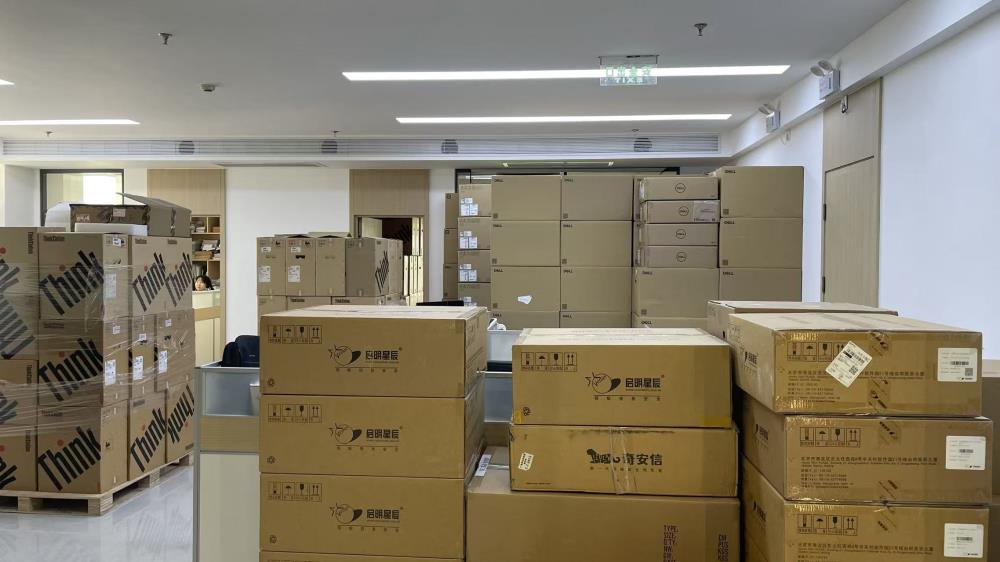
How global enterprises integrate server rooms, edge computing racks, and engineering workstations to scale industrial AR operations.
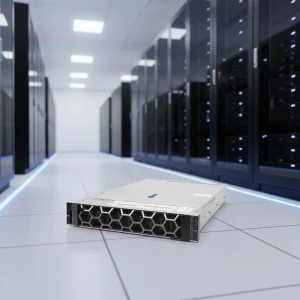
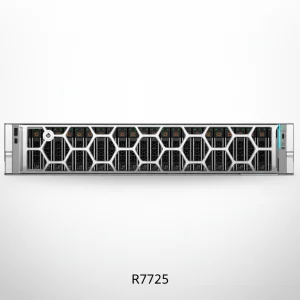
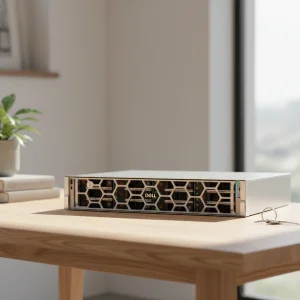
By connecting high-capacity servers like the DELL PowerEdge R7725 with real-time IoT feeds, operations teams construct dynamic 3D representations of active factories. Engineers on the floor pull structural telemetry onto AR headsets, enabling non-destructive diagnostics and live flow metrics directly overlaid on heavy machinery.
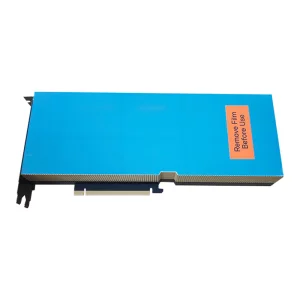
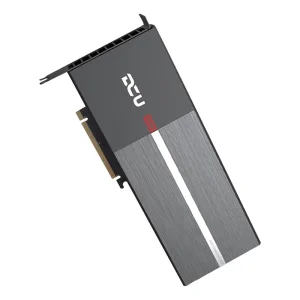
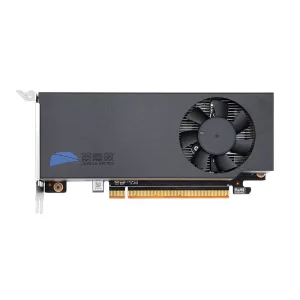
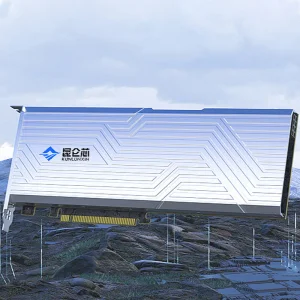
Deploying AI models locally, such as DeepSeek on local GPUs (Zhongke Haiguang K100 or Kunlun Chip GR800), empowers on-premises workstations to perform instantaneous image classification, object recognition, and safety auditing without sending proprietary operational feeds to public cloud networks.
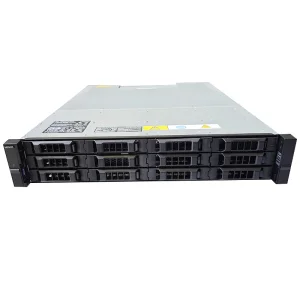
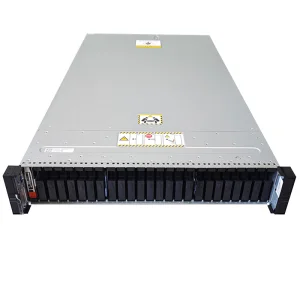
High frame-rate rendering requires fast access to volumetric data assets. Arrays such as the PowerStore 1000T and PowerVault ME5012 provide NVMe caching and ultra-low latency file systems to feed 3D models to headsets dynamically, preventing lag and reducing operator fatigue.
Transparent operational standards, quality assurance procedures, and compliance profiles confirming our dedication to enterprise hardware deployment.
Building the physical backplane of modern AR systems. Our specialized integration facilities support advanced configuration, component assembly, and hardware burn-in testing.
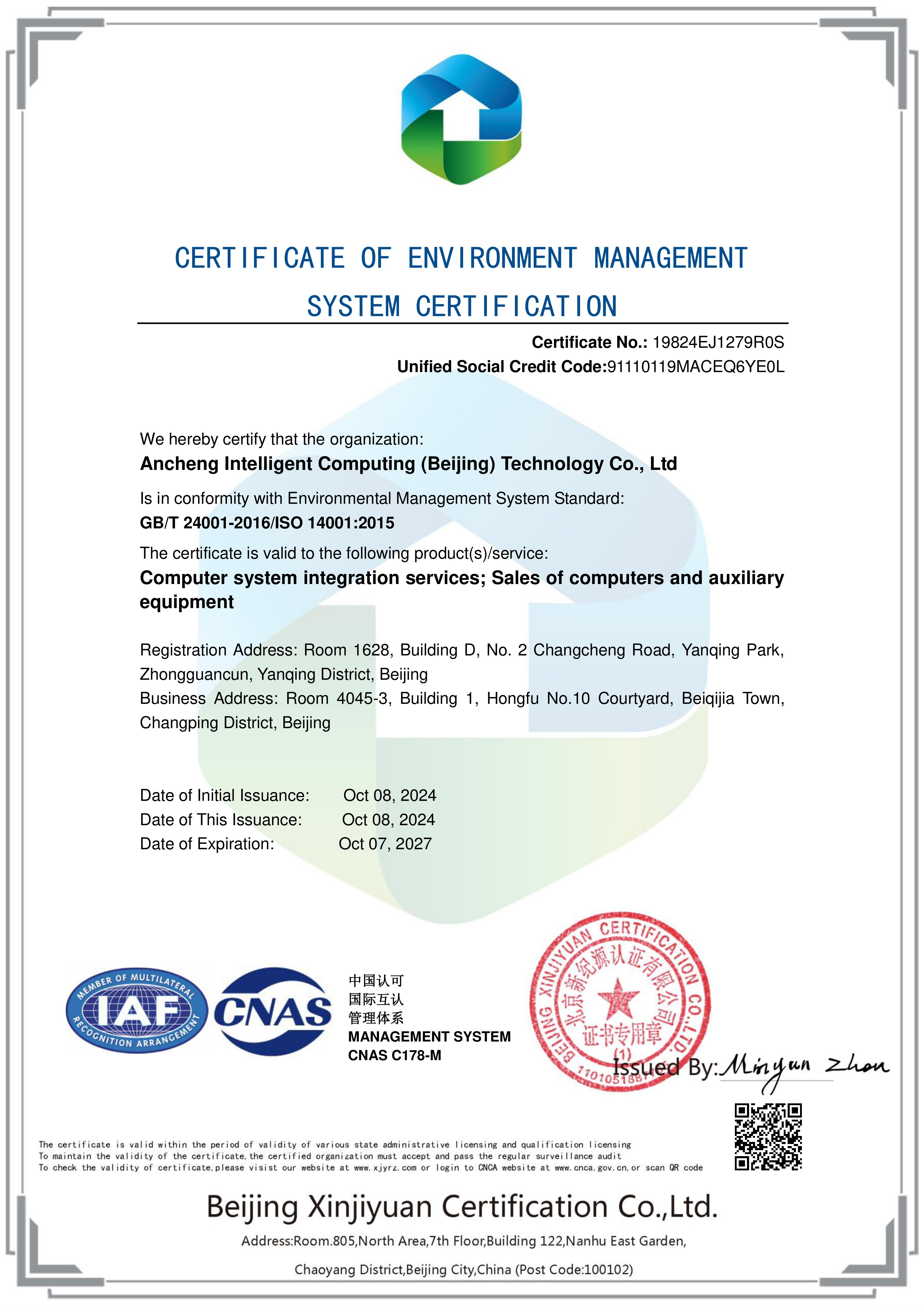
19824EJ1279R0S
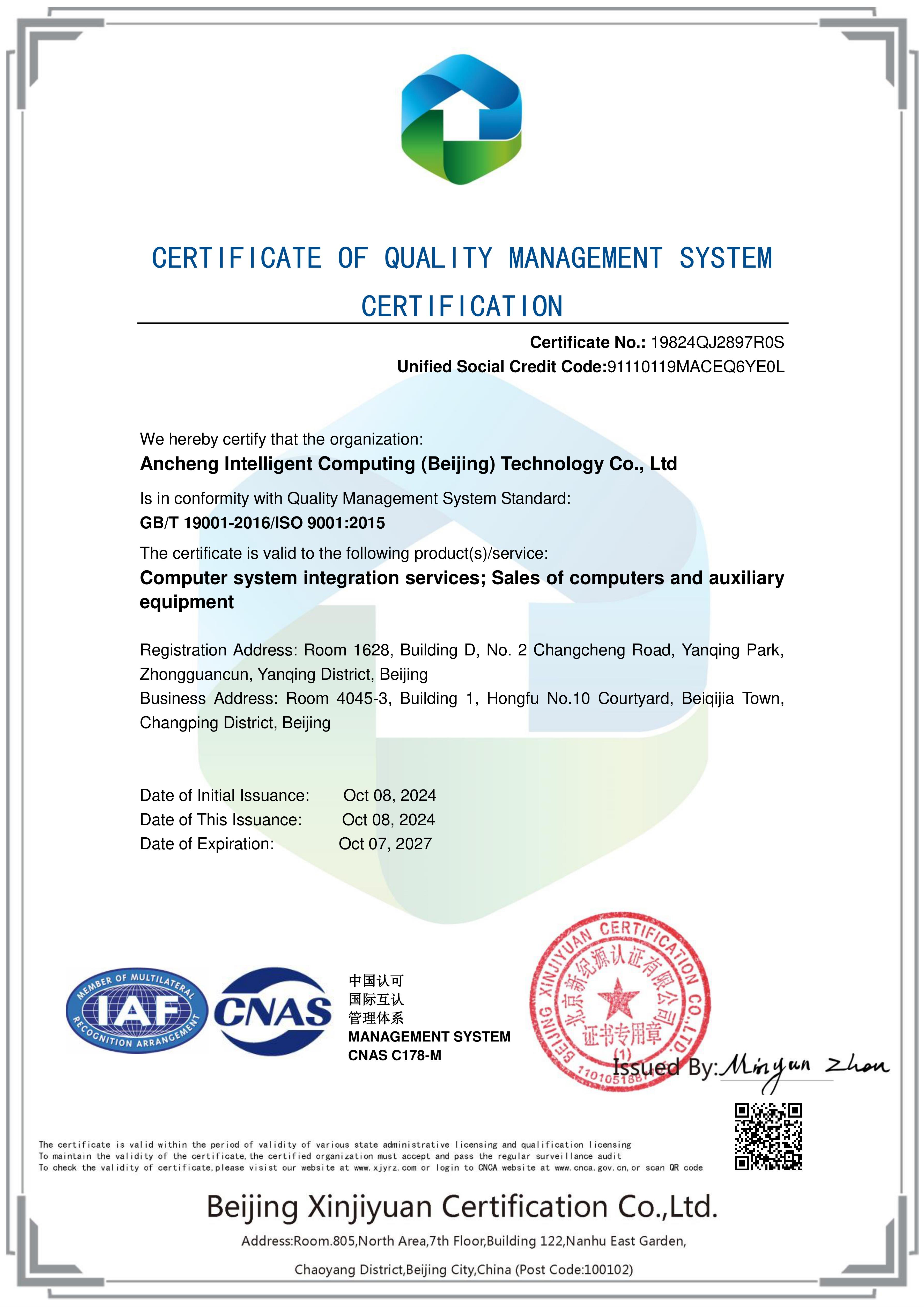
19824QJ2897R0S
Our integration line adheres strictly to ISO 9001 and ISO 14001 frameworks. Every graphics workstation, data processor, and storage component undergoes exhaustive unit diagnostics and burn-in configurations to verify physical and virtual stability before departure.
Adapting compute pipelines for the transition from passive spatial overlays to generative, real-time interactive environments.
Modern AR frameworks require instant local spatial processing. The integration of advanced domestic graphics processing hardware alongside platforms like the Zhongke Haiguang K100 and Kunlun Chip GR800 provides high-density tensor cores designed to handle concurrent user mapping streams at the factory edge.
By moving beyond traditional storage architectures, factories deploying AR can scale their spatial mapping operations via arrays like the Unity D4 and PowerStore 1000T. Active-active system controllers guarantee data streams stay online even in the event of hardware failovers, preventing expensive production halts.
Hardware deployment in industrial environments requires navigating diverse regional frameworks. Sourcing compute hardware for Eastern European, Middle Eastern, and African logistics operations calls for a supplier with established compliance credentials. With 30% of exports serving Eastern Europe, 30% serving the Middle East, and 20% serving Africa, our organization understands how to navigate local importation, equipment conformity validations, and system installation logistics.
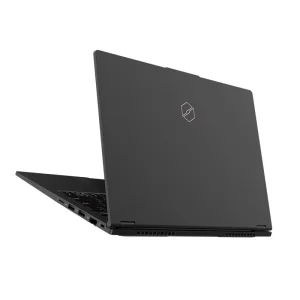
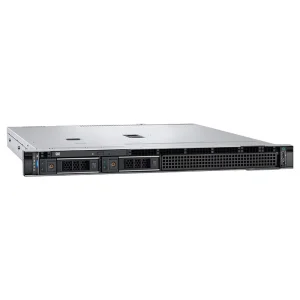
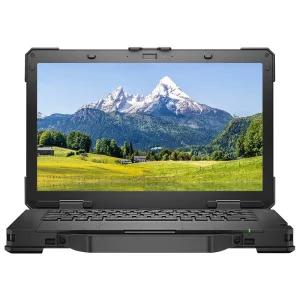
Whether configuring rugged systems for hot, dusty assembly environments—such as the Latitude 5430 Rugged—or installing power-efficient 1U servers like the Dell PowerEdge R250 for localized office infrastructure, our team ensures each delivery conforms to safety, EMC, and environmental standards. Standardized ISO 9001 and ISO 14001 testing structures ensure that all shipments arrive at customer sites ready for immediate software integration, reducing onsite debugging requirements.
Detailed architectural answers to frequent engineering and procurement inquiries regarding industrial AR backplanes.
High-performance servers like the DELL PowerEdge R7725 and R7525 house dual-processor platforms that execute spatial reconstruction math, point-cloud transformations, and asset distribution tasks. By utilizing fast PCIe lanes to transfer data directly to multi-GPU arrays, these systems can generate 3D frame views and push them to client devices with minimal network lag. This low-latency pipeline is key to avoiding user tracking lag.
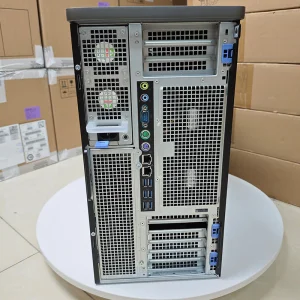
Yes. The T7920 and T7960 graphics workstations are built to support multi-GPU setups, large system memory spaces, and high-wattage power supplies. This makes them well-suited for running local LLM instances like DeepSeek. In industrial settings, this allows operators to query system diagnostics through voice or visual inputs, keeping data processed on-site without needing public internet routing.
Digital twins capture continuous telemetry from thousands of sensors, alongside high-fidelity 3D laser-scan assets. Storage arrays like the PowerStore 1000T and PowerVault ME5012 provide the low-latency NVMe and SAS SSD pools needed to read and write these data streams. Rapid access to this data allows rendering tools to update physical layouts on operator headsets in real time.
Enterprise infrastructure failures can halt assembly lines, suspend distribution hubs, or disrupt remote medical services. Our facility carries out complete 100% diagnostics testing on all systems before export. This inspection validates memory modules, checks storage block health under load, and monitors processor thermal stability to ensure systems perform reliably upon installation.
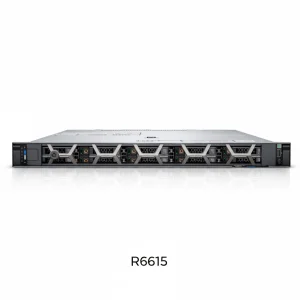
Both form factors fill distinct operational roles. Centralized processing, database storage, and spatial calculations are managed by rack-mounted systems like the DELL PowerEdge R570 or R6615. For mobile diagnostic activities or testing in tough conditions (like high heat, moisture, or vibration), rugged laptops such as the Latitude 5430 Rugged act as local data acquisition and visualization points.
High-density rack servers, customized co-processors, and rugged terminal hardware supporting spatial applications worldwide.
 Aiserver Manufacturer