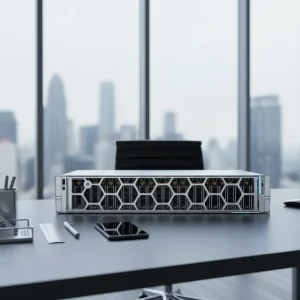
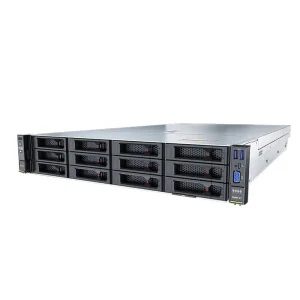
In the era of 5G, SDN (Software-Defined Networking), and next-generation Edge Computing, the global telecommunications infrastructure demands computing systems that combine ultra-low latency, carrier-grade stability, and dense storage capabilities. Today's modern telecom networks are no longer powered by monolithic, closed-source hardware switches; they are built on decoupled, open cloud architectures running on powerful general-purpose servers and high-density network appliances.
Telecom Industry Insight: High-performance computing nodes, such as dual-socket AMD EPYC and Intel Xeon servers, have become the standard processing core for Virtualized Radio Access Networks (vRAN) and Multi-access Edge Computing (MEC). These processors manage continuous data streams, dynamic baseband units, and AI-driven packet filtering routing processes in real-time.
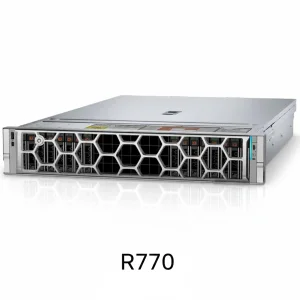
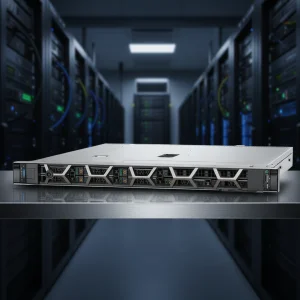
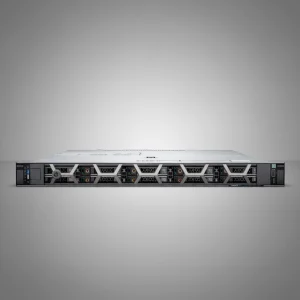
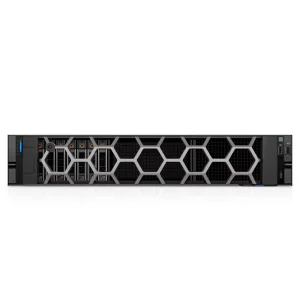
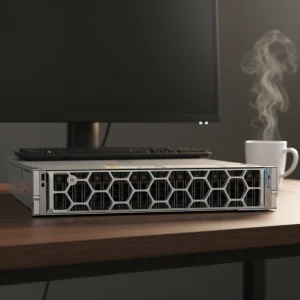
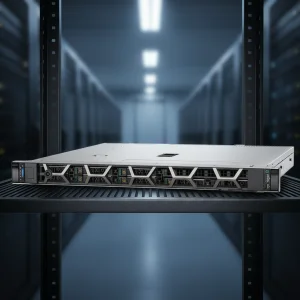
Deploy high-density 1U and 2U rack servers to manage Network Functions Virtualization (NFV). Supporting low-power high-core processors ensures telecom operators optimize server footprints in central offices while scaling throughput dynamically.
MEC requires rugged, short-depth servers deployed close to base stations. High-performance processors, paired with edge AI accelerators, process latency-sensitive IoT and autonomous vehicle telemetry directly at the station boundary.
Network security is paramount. Leveraging advanced PCIe expansion switches and hardware security modules (HSMs) protects sensitive voice and data traffic, preventing routing hijack attempts and DDoS disruptions.
The global telecommunications equipment market is undergoing a rapid transition toward high-density power architectures, AI processing, and hardware diversity. Rapid deployment requirements dictate that factories must have integrated logistics networks capable of supporting regions with differing voltage, cooling, and safety standards.
In emerging markets across Eastern Europe, the Middle East, and Africa (EE/ME/A), the focus is split between expanding basic broadband access networks and building urban hyper-scale datacenters. Operators require servers with long life cycles, reliable remote management tools (such as IPMI 2.0 or iDRAC), and hardware configurations that can operate reliably under wider temperature bands.
Furthermore, global supply chain reliability is the primary concern for IT decision-makers. Having direct partnerships with qualified hardware integrators and manufacturers ensures that custom network cards, high-capacity SAS/NVMe drives, and complex rack-level configurations are pre-tested, certified, and delivered on-time, reducing deployment schedules from months to weeks.
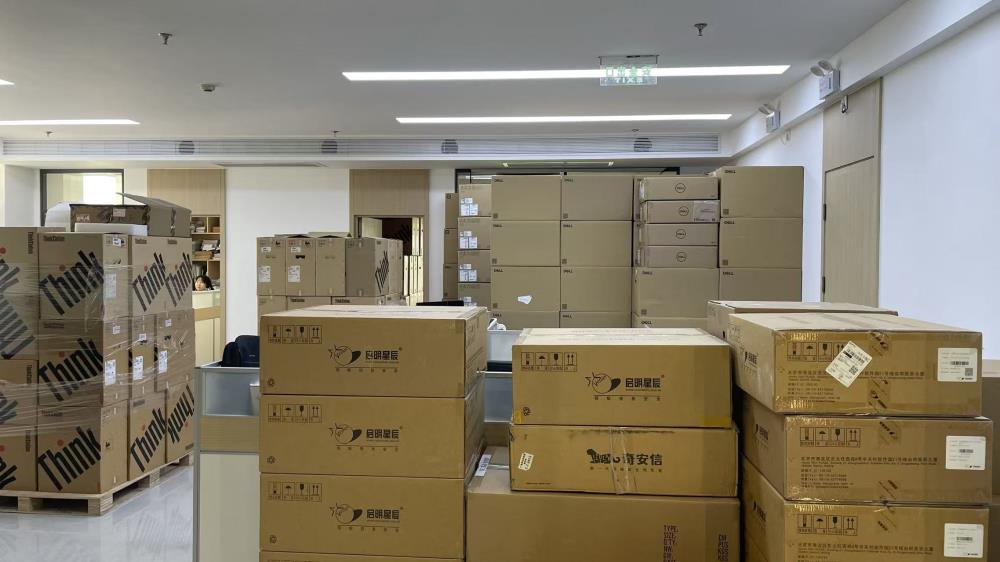
As a verified enterprise supplier, our production operations conform to rigorous industry guidelines, ensuring that every server, workstation, and storage network switch leaving our facility meets high reliability thresholds. Below is an overview of our operational capabilities and regulatory compliance standards.
| Company Registration | 2023-04-10 |
|---|---|
| Floor Space | 200 ㎡ (Focused Assembly & Testing Facility) |
| Years Exporting | 3 Years |
| Key Client Profiles | Brand business, Retailers, Systems Engineers, Wholesalers, Infrastructure Manufacturers |
| Quality Control | 100% Inspection of all outgoing systems (1 dedicated QA/QC Inspector) |
| R&D Capability | Dedicated graduate R&D Engineer overseeing specialized configuration matching |
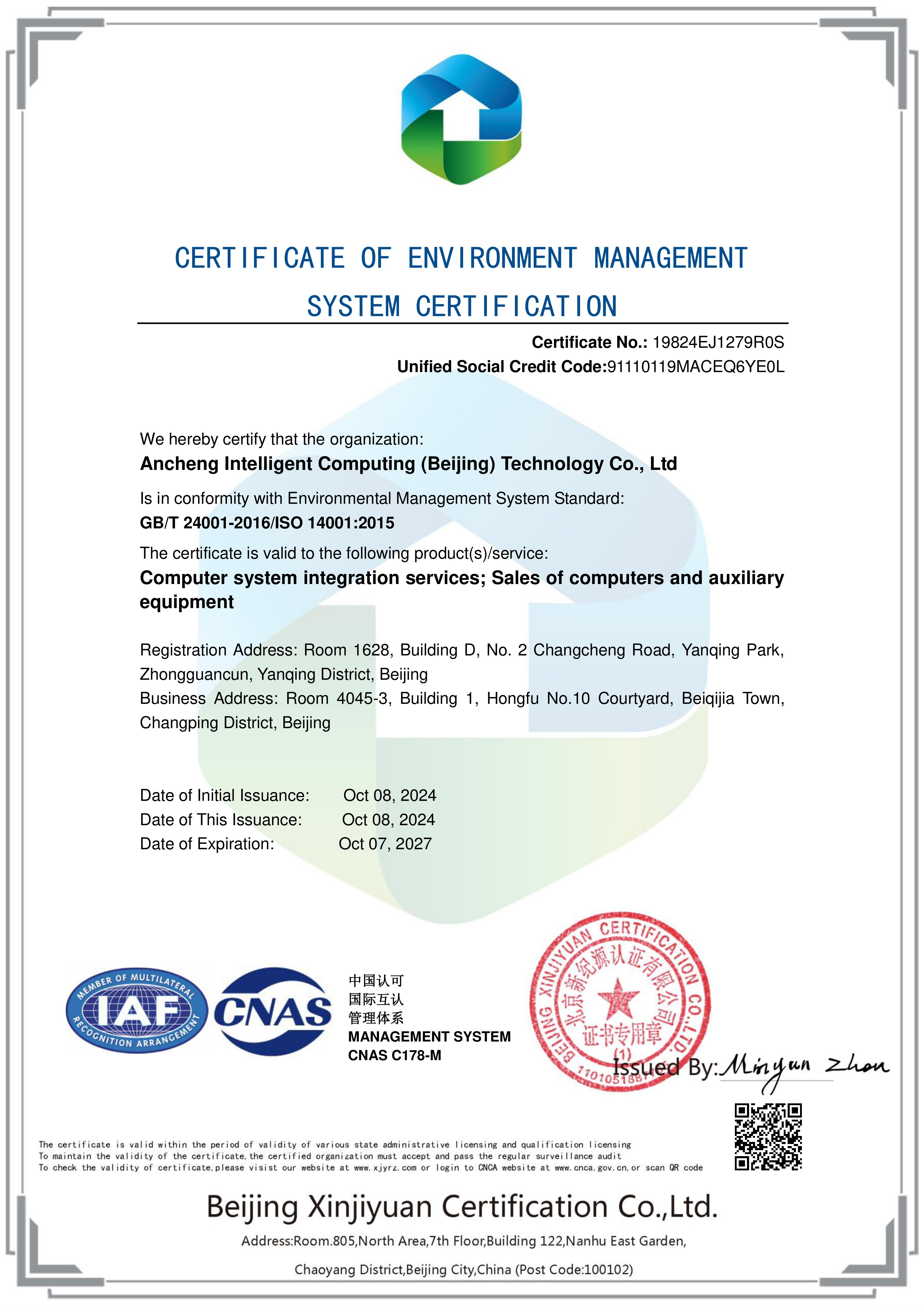

ISO 14001
Cert No: 19824EJ1279R0S
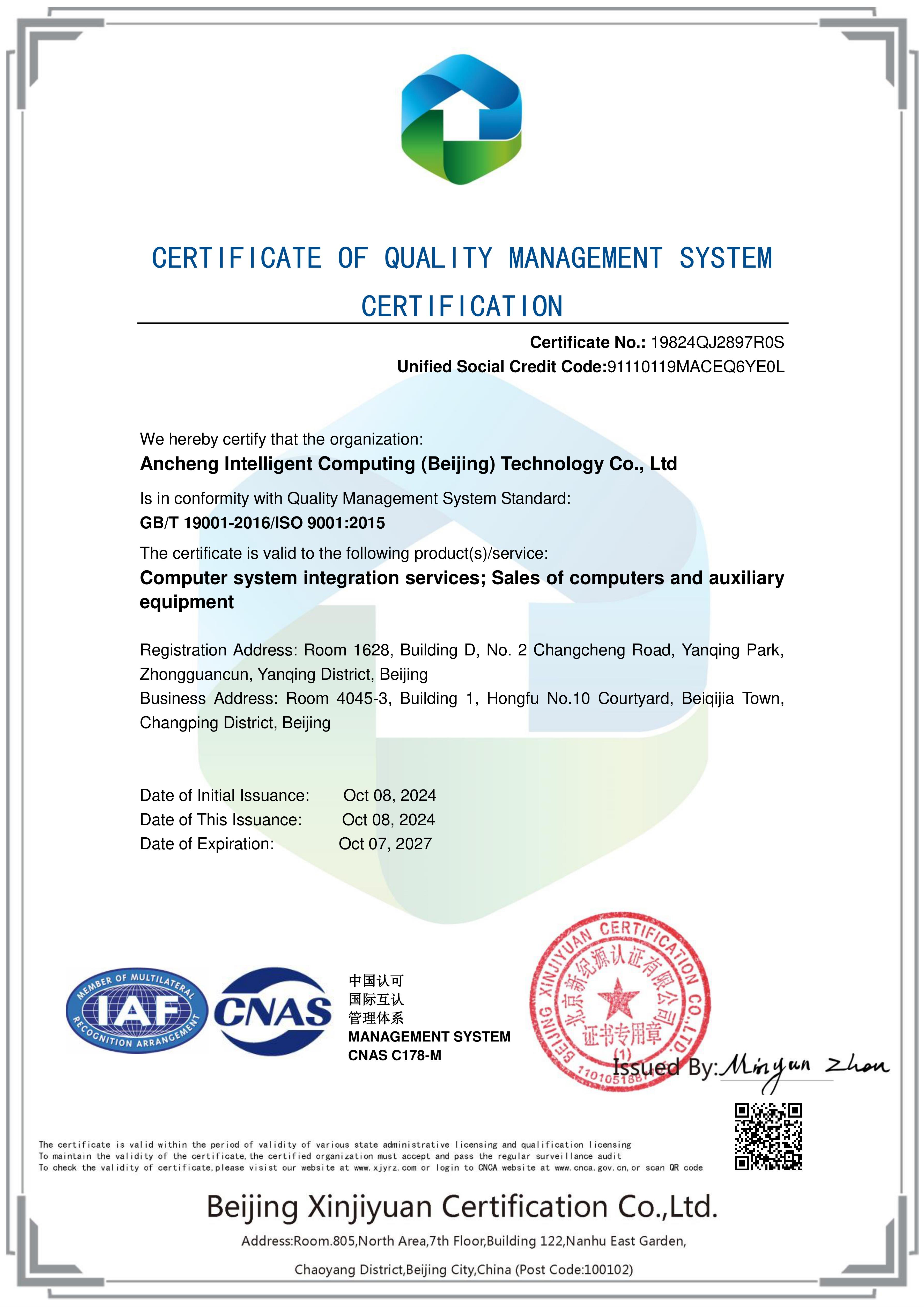

ISO 9001: Quality Management
Cert No: 19824QJ2897R0S
Telecom infrastructure is never "one-size-fits-all". Different regions require tailored server and networking configurations to solve localized geographic, environmental, and commercial constraints.
High-temperature environments require ruggedized servers and liquid-cooled data centers. Dual-socket systems loaded with high-core processors handle dense camera feeds and localized AI inference for smart grid control centers.
In rural network expansions, power stability is a significant challenge. Compact 1U servers with redundant power supplies and low idle power consumption profiles are paired with cost-effective SATA storage units to ensure uptime in remote telecom huts.
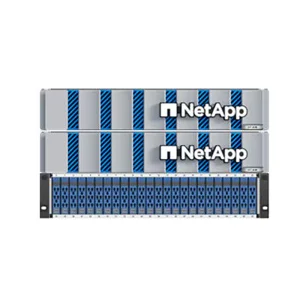
Industrial integration demands low-latency packet processing. All-flash NVMe arrays (such as NetApp AFF solutions) are paired with high-performance network switches to process assembly line machine-vision feeds with minimal packet loss.
The telecommunications industry is moving quickly toward hybrid AI deployments, heterogeneous computing arrays, and next-generation liquid cooling technologies. To remain competitive, operators must plan their infrastructure updates around key technological shifts:
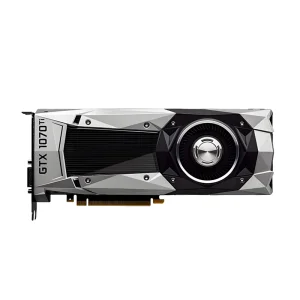
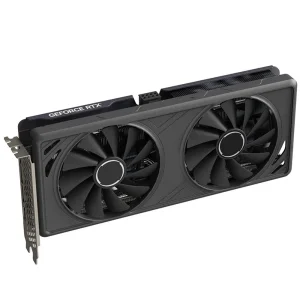
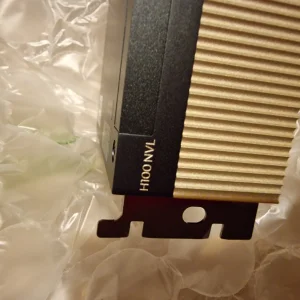
Telecom providers are increasingly deploying deep learning frameworks locally. Utilizing servers designed to hold high-performance GPU configurations (such as H100NVL and RTX series accelerators) allows base stations and central offices to implement real-time fraud detection, voice translation, and AI routing optimization without needing round-trips to central cloud datacenters.
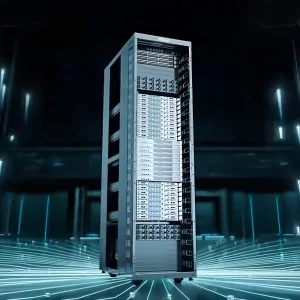
Power densities are exceeding 30kW per rack. System builds incorporating direct-to-chip (DLC) and immersion liquid cooling architectures (e.g., the Dell GB200 NVL72 Liquid-Cooled Rack) are transitioning from conceptual projects to industry standards. These designs significantly lower power usage effectiveness (PUE) metrics, aligning telecom operators with strict national environmental regulations.
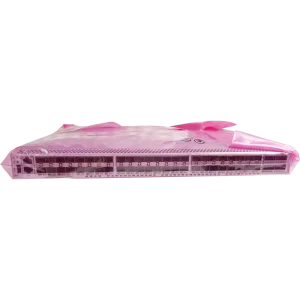
Proprietary base station basebands are being replaced by white-box virtual servers running software-defined RAN controllers. This shift requires high-speed 25GbE and 100GbE network interfaces, high-capacity RAM configurations, and PCIe expansion structures that can support specialized timing cards (PTP/IEEE 1588v2) for synchronization across millions of mobile devices.
Hardware choice directly affects throughput and packet-forwarding latency. Deploying servers with high base-frequency processors (such as the AMD EPYC 9004 series or Intel Xeon Scalable family) paired with PCIe Gen5 network interface cards enables features like Single Root I/O Virtualization (SR-IOV) and Data Plane Development Kit (DPDK) to process millions of packets per second with minimal virtualization overhead.
ISO 9001 guarantees that the manufacturing, component sourcing, and validation processes are fully documented and repeatable, ensuring that every server built performs reliably over its expected lifespan. ISO 14001 indicates compliance with environmental management standards, which is increasingly required by governments and major global telecom brands looking to reduce their scope 3 emissions.
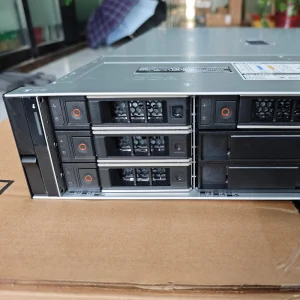
1U servers maximize computing density in standard 19-inch racks, making them ideal for space-constrained edge locations and web-hosting tiers. 2U servers offer additional thermal headroom, allowing them to support large PCIe accelerator cards (GPUs), more storage drives (up to 24x 2.5" drives), and larger, quieter fans, which are crucial for running continuous heavy workloads like AI inference or high-capacity network virtualization.
Yes. We work closely with brand businesses, retailers, and engineering teams to provide customized memory allocations, specific storage tiering (SATA, SAS, NVMe SSDs), and verified GPU integration. Our testing laboratory conducts 100% inspection on all customized units prior to dispatch, ensuring compatibility with your target operating system or hypervisor.
The NVIDIA GB200 NVL72 is a liquid-cooled rack-scale system designed for massive scale AI training and inference. For telecom operators, this system acts as a supercomputing hub for large language models, network digital twins, and autonomous operations. It delivers significant performance increases for LLM inference workloads compared to air-cooled GPU clusters, while using less energy.
 Aiserver Manufacturer