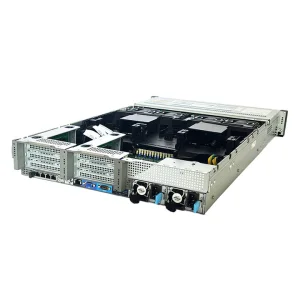
Optimized systems for high reliability, local caching, and cloud workload processing across Maseru and regional districts.
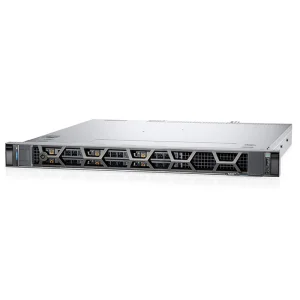
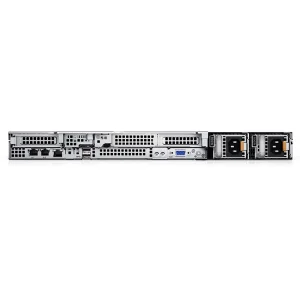
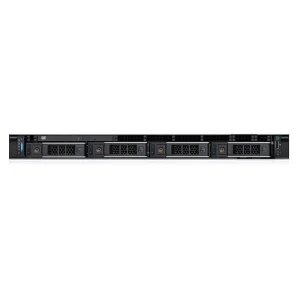
Analysis of computational needs, deployment bottlenecks, and enterprise technology pathways within the Kingdom of Lesotho.
As the Kingdom of Lesotho moves forward with its National Strategic Development Plan (NSDP II), building a resilient digital economy has become a core national priority. Long reliant on South Africa for technical pipelines, Lesotho’s enterprise landscape—spanning government departments, financial services, telecom hubs, and high-altitude mining companies—is actively localizing its compute infrastructure. By deploying dedicated server clusters in country, organizations minimize round-trip latencies to Johannesburg, secure national data sovereignty, and protect themselves against regional network interruptions.
"Digital localization is the cornerstone of sovereignty. Supplying Lesotho's public and private sectors with high-end, energy-efficient server hardware ensures continuous operations, lower cloud latency, and foundational pathways for artificial intelligence applications."
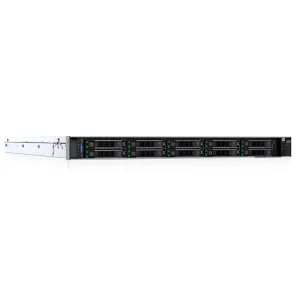
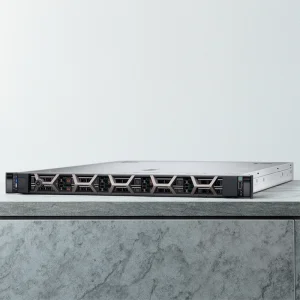
The financial services sector, including local microfinance banks and mobile network money processors (M-Pesa services), faces growing transaction volumes that require resilient database servers. Virtualized hardware deployments like the Dell PowerEdge R450 and R570 series allow financial institutions in Maseru to build robust private cloud configurations. These dual-socket setups deliver high transactional speeds and support compliance with central bank guidelines.
Furthermore, Lesotho’s key export industries, notably diamond mining in districts like Mokhotlong and Butha-Buthe, utilize complex modeling software to analyze geological formations. Running these spatial simulations requires heavy parallel processing. Our custom general-purpose GPU servers enable local engineering and geospatial teams to run geographic calculations on-site, bypassing the challenge of transferring terabytes of raw geological data over limited satellite or terrestrial connections.
Lesotho features the highest lowest point of any nation in the world, with altitudes consistently exceeding 1,400 meters. For data centers and server closets, high-altitude conditions introduce a specific problem: thinner air reduces cooling efficiency. Server setups deployed in high-altitude environments require hardware configurations with robust fans, intelligent temperature monitoring, and low-draw, highly efficient power units (such as 450W or redundant Gold-rated power supplies).
Our custom hardware configurations feature smart fan controllers and specialized cooling paths designed for higher altitude operations. This design ensures that enterprise systems like the Dell PowerEdge R660 continue running reliably in Maseru’s climate without thermal throttling or hardware damage.
Implementing the next generation of DDR5, PCIe Gen 5, and multi-tenant GPU virtualization.
In modern enterprise environments, memory bandwidth and interface speeds often define system performance. The transition to DDR5 SDRAM and PCIe Gen 5.0 interfaces represents a significant leap forward, particularly for memory-intensive workloads like data analytics, virtual desktop environments (VDI), and artificial intelligence model training.
DDR5 memory architecture delivers double the bandwidth of DDR4, operating at high frequencies with lower voltages. This improvement is crucial for maintaining memory feed speeds to modern multi-core processors like the Intel Xeon Scalable family.
With up to 32 GT/s per lane, PCIe 5.0 delivers high-speed data access lanes. This throughput ensures that high-speed storage devices, like NVMe SSDs, and advanced enterprise GPUs operate at full capacity without interface limits.
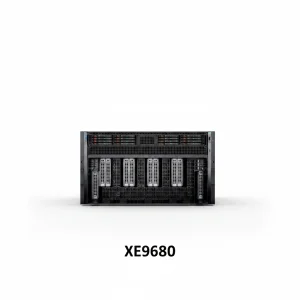
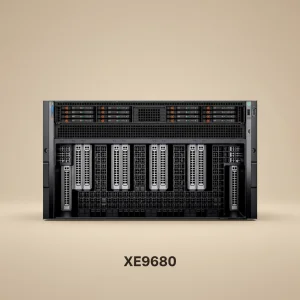
Enterprise systems like the Dell PowerEdge XE9680 and custom GPU platforms integrate accelerators (such as AMD Instinct MI300X or NVIDIA platforms) to support local deep learning training, natural language translation, and generative AI tools.
Data center administrators in Southern Africa must design systems to cope with regional power fluctuations and grid challenges. When deploying systems in Lesotho, matching servers with robust, redundant Power Supply Units (PSUs) is critical. Our servers support active-standby and active-active redundant power supplies, which work in tandem with regional UPS systems to prevent data loss or server downtime during unexpected power shifts.
Additionally, modern remote management interfaces (like iDRAC9 and integrated BMC controllers) allow IT support companies to monitor server temperatures, verify voltage stability, and configure BIOS settings remotely from any location, reducing the need for on-site visits in remote regions.
Scalable infrastructure designed for deep learning, virtualization pools, and enterprise-grade data management.
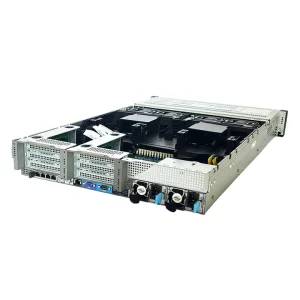
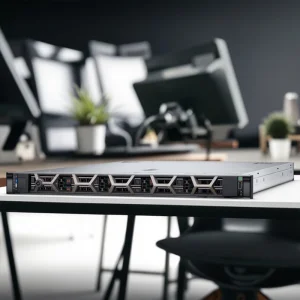
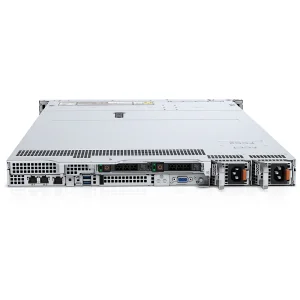
Verifiable structural credentials, strict quality controls, and established trade pathways to Southern African customs gateways.
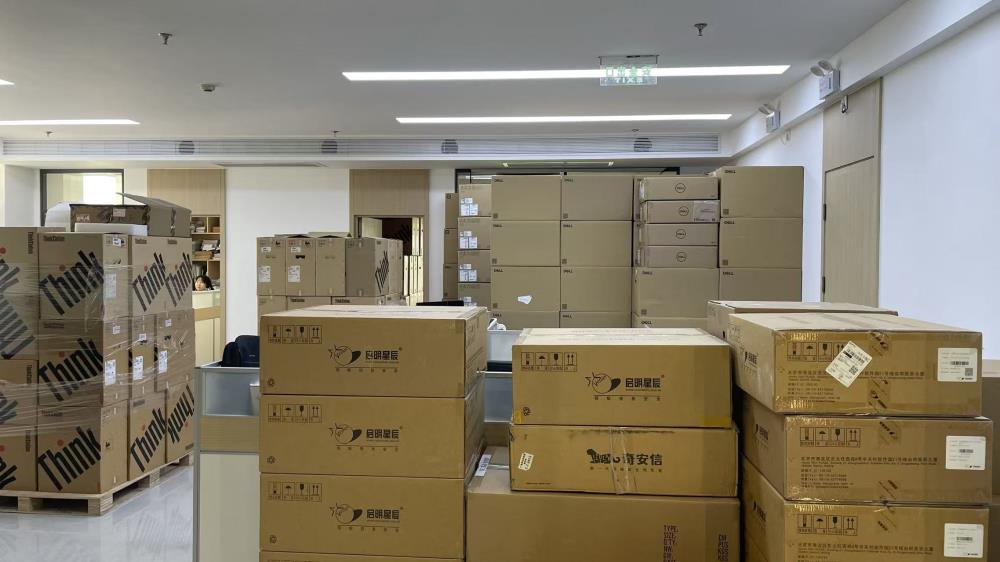
We configure, inspect, and ship enterprise servers globally. Our logistics support smooth customs entry into landlocked SADC economies like Lesotho.
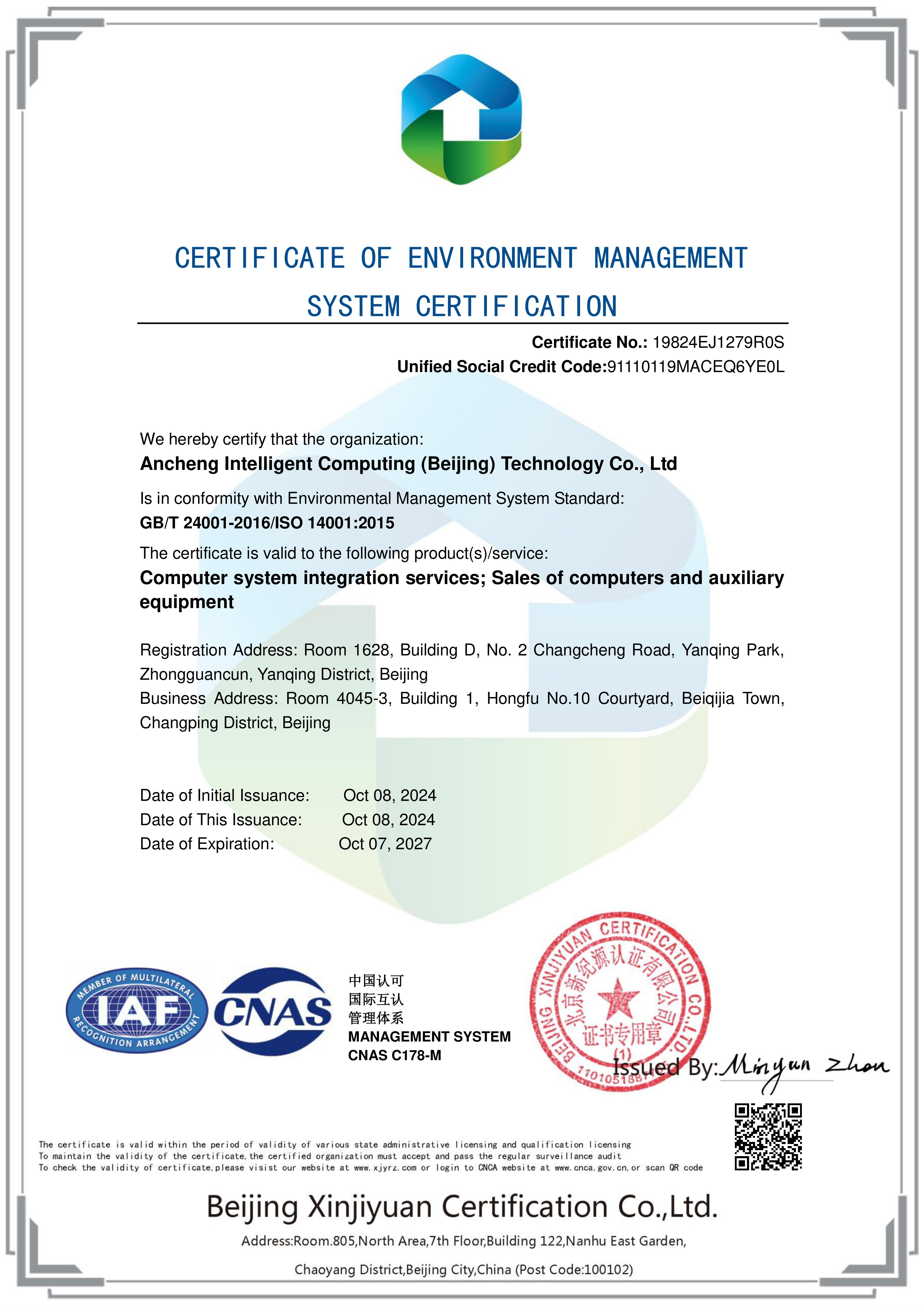
 ISO 14001
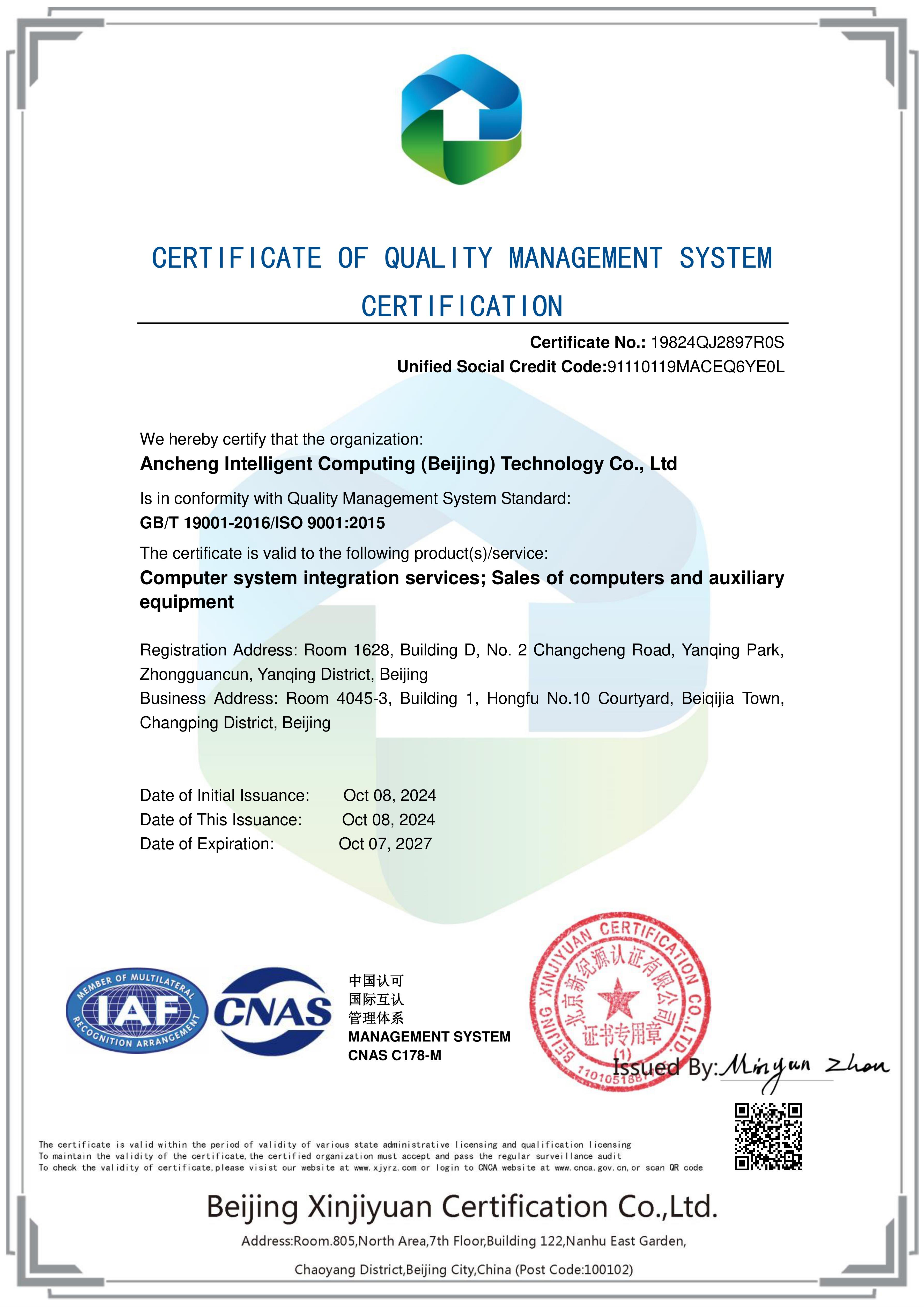
 ISO 9001
Our product development is overseen by a graduate R&D engineer who creates tailored hardware setups. From selecting specific RAM speeds to installing dual power units and configuring customized BIOS firmware, we customize server setups to match the network demands of modern enterprise clients in Lesotho.
Four simple integration steps to help you scale local computation and system virtualization.
Practical answers covering integration, thermal management, cross-border customs, and local site planning.
As altitude increases, air density decreases, which lowers the heat dissipation capacity of standard air-cooling systems. To counter this, servers deployed in high-altitude areas like Mokhotlong require high-RPM fans, intelligent fan-curve settings, and high-efficiency processors to keep temperatures safe and prevent thermal throttling.
We perform component-level inspections on all key systems, including RAM, CPU nodes, storage drives, and PCIe lanes. Once assembled, our systems undergo hardware diagnostic testing and high-load stress tests. This step ensures that all server hardware operates reliably at rated capacity prior to global shipping.
We work with regional freight operators to manage logistics routes from major container ports like Durban up to border points such as Maseru Bridge, Maputsoe, and Ficksburg. We handle international export documentation, certificates of origin, and custom declarations to make sure shipments comply with SADC customs guidelines.
Yes. Our enterprise servers support dual redundant Hot-Plug Power Supplies (such as 1+1 configurations). Combined with modern UPS installations and automatic voltage regulators (AVR), these setups help protect the motherboard and storage drives from damage during power drops, ensuring system uptime.
Yes. We offer customization options for memory capacity, solid-state storage volumes, network interfaces (such as 10GbE/25GbE optical cards), and specific GPU integration. Our engineering team builds and tests custom systems tailored to your technical requirements.
Consult with our system architects today. We configure hardware to meet the performance, thermal, and budget requirements of your projects in Lesotho.
Send Inquiry Now Aiserver Manufacturer