Laptop Factories & Exporters in the Italy Market

Global Sourcing Report: Industrial-Grade Rugged Computing & Enterprise-Level Fleet Solutions for the Italian Automation Sector

Executive Summary:Sourcing Laptops for Italy's Industrial and Enterprise Sectors

In an era marked by rapid digital transformation and the integration of the Internet of Things (IoT) within manufacturing plants, selecting the right hardware partner is paramount. The Italian market, with its distinct dual focus on precision mechanical engineering (the industrial North) and robust commercial administrative sectors (Central and Southern hubs), exhibits complex and challenging requirements for IT computing fleets. From the automotive assembly lines in Turin to the logistics warehouses of Milan, enterprises require rugged laptops that conform to strict military standards (MIL-STD), alongside high-performance business notebooks that enable smooth, energy-efficient daily workflows.

This whitepaper analyzes the current commercial landscape of laptop sourcing, manufacturing, and exporting, specifically within the context of Italian operational requirements. We explore the structural advantages of partnering with high-efficiency direct factories, the strict quality control systems (including ISO9001 and ISO14001 certifications) required to meet EU regulations, and the technical specifications crucial for localized Italian application scenarios.

100%
Pre-shipment QA Inspection
MIL-STD
Ruggedized Testing Compliant
ISO 9001
Quality Management Certified
CE & RoHS
Full European Compliance

1. Italy's Commercial & Industrial Laptop Landscape

The Italian industrial network is fundamentally built upon Small and Medium Enterprises (SMEs), often grouped in highly specialized regional clusters. Sourcing hardware for these businesses is not a one-size-fits-all process. The demands vary greatly based on geographical and operational factors:

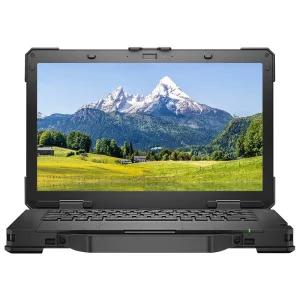
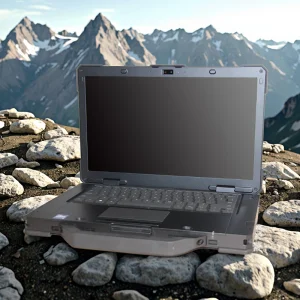
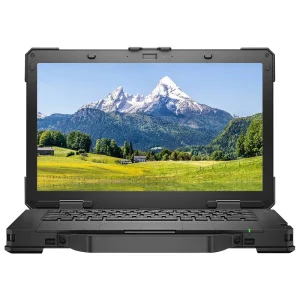
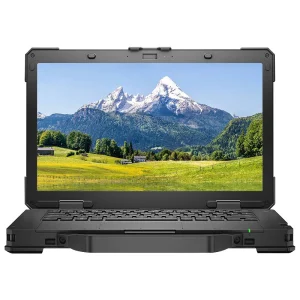
  • The Industrial North (Lombardy, Piedmont, Veneto, Emilia-Romagna): This area is home to advanced mechanical engineering, automotive production, and industrial automation. Laptops deployed here must endure extreme vibrations, heavy dust exposure, wide operating temperature fluctuations, and accidental drops. Hardware like the Latitude Rugged Series is vital for diagnostic tasks on workshop floors and field testing.
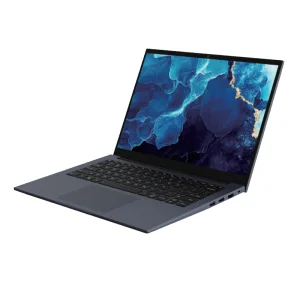
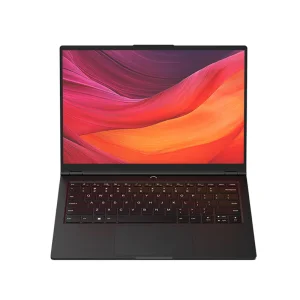
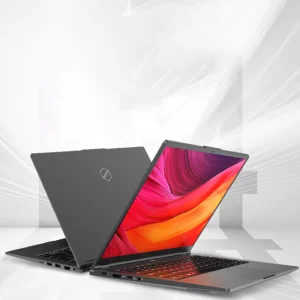
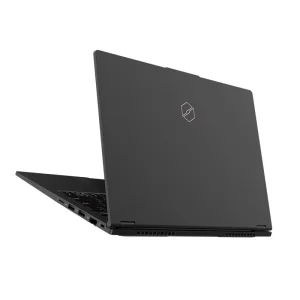
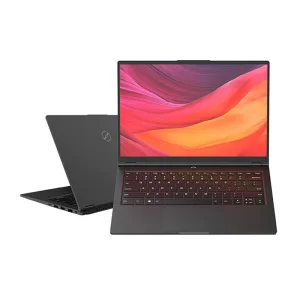
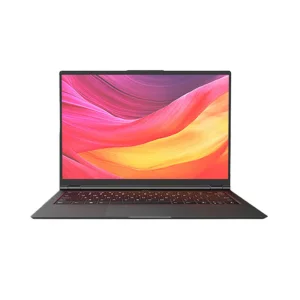
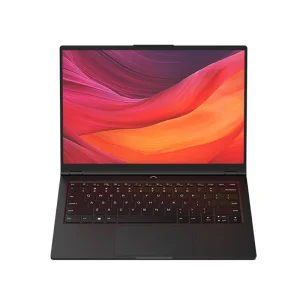
  • The Service & Administrative Hubs (Rome, Milan, Florence): The banking, fashion, tourism, and corporate sectors demand sleek, secure, and energy-efficient workstations. Slim metal-body laptops, such as the Hengyue E14 Series, are preferred. They offer high screen resolutions, modern DDR5 memory, fast PCIe NVMe storage, and long battery life.
  • Logistics & Port Infrastructure (Genoa, Trieste): Maritime logistics and cargo yards require bright, sunlight-readable touchscreen displays, dual-battery setups for continuous shifts, and reliable, high-performance wireless connectivity (Wi-Fi 6E/5G ready) for uninterrupted communication with central ERP systems.
Information Gain Notice: In contrast to standard office equipment, industrial hardware deployed in European factories must comply with WEEE (Waste Electrical and Electronic Equipment) directives and meet strict eco-design standards under the EU circular economy action plan. Sourcing directly from manufacturers who build with repairable modules, toolless chassis entry, and dual-cooling fans significantly reduces Total Cost of Ownership (TCO) and extends operating life beyond 5 years.

2. Direct Factory Sourcing vs. Middlemen: The Chinese Efficiency Advantage

For Italian procurement executives, sourcing laptops directly from established manufacturing centers in China offers substantial cost and customization advantages compared to local European distributors:

  1. Custom-Tailored Hardware configurations (OEM/ODM): Direct manufacturers can easily modify BIOS settings, build in custom physical ports (like RS-232 serial interfaces for legacy diagnostic software), integrate custom touch panels, and laser-engrave Italian-localized keyboard layouts (QWERTY IT).
  2. Optimized Supply Chain & Lower Component Costs: With factories located in major technology hubs like Shenzhen and Dongguan, companies benefit from close proximity to display panel makers, semiconductor houses, and metal alloy manufacturers. This keeps material and transport costs low.
  3. Advanced Quality Control Protocols: Trustworthy exporters feature complete end-to-end trace systems. They perform raw material trace checks and run comprehensive stress tests (thermal, drop, keypress, and motherboard electrical inspections) on 100% of finished units before shipping.

3. Sourcing Specifications & Technical Compliance

When deploying digital client equipment across Italy, procurement teams must pay close attention to technical specifications. The chosen platforms must integrate smoothly with specialized software suites, such as CAD packages, SAP-based ERP systems, or factory CNC monitoring protocols.

A. Ruggedized Computing Standards (IP & Drop Protection)

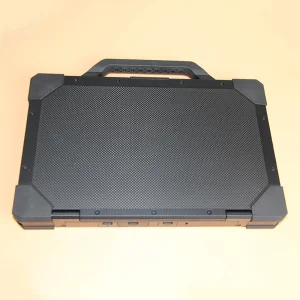
Laptops built for field maintenance (such as wind turbine servicing in Puglia or automotive testing in Emilia-Romagna) require an Ingress Protection (IP) rating of at least IP65 to prevent dust, oil, and liquid ingress. These devices feature magnesium-alloy chassis, reinforced shock bumpers, shock-mounted SSD drives, and sealed port flaps. They are drop-tested to withstand repeated falls onto hard concrete surfaces from heights of over 1.2 meters.

B. Display Quality & Outdoor Legibility

High-brightness screens (ranging from 800 to 1,200 nits) are essential for outdoor maintenance and logistics terminals. The displays use specialized anti-reflective (AR) and anti-glare (AG) coatings to keep text readable under direct Italian summer sunlight. Additionally, resistive and capacitive touch screens are designed to recognize input from wet fingers or heavy industrial gloves.

C. Advanced Cooling & Thermal Management

Extended processing under heavy workloads, such as running local diagnostics or graphic-intensive rendering, generates significant heat. Standard slim notebooks often resort to thermal throttling, which reduces processor speed to prevent overheating. In contrast, advanced enterprise laptops feature specialized dual-fan active cooling systems and direct copper heat pipes. These components allow CPUs like the Core i7-13620H or i7-1185G7 to run at peak speeds for extended periods without performance drops.

4. Global Regulatory Requirements and Certifications

Hardware entering the European Single Market must meet strict environmental, safety, and health standards. Importing non-compliant devices can lead to customs seizures, high fines, and significant business disruption.
  • CE Mark: This mark indicates compliance with EU health, safety, and environmental protection standards. Every laptop exported to Italy must bear the CE mark.
  • RoHS Directive (Restriction of Hazardous Substances): This regulation restricts the use of specific hazardous materials—such as lead, mercury, cadmium, and hexavalent chromium—in electronic components.
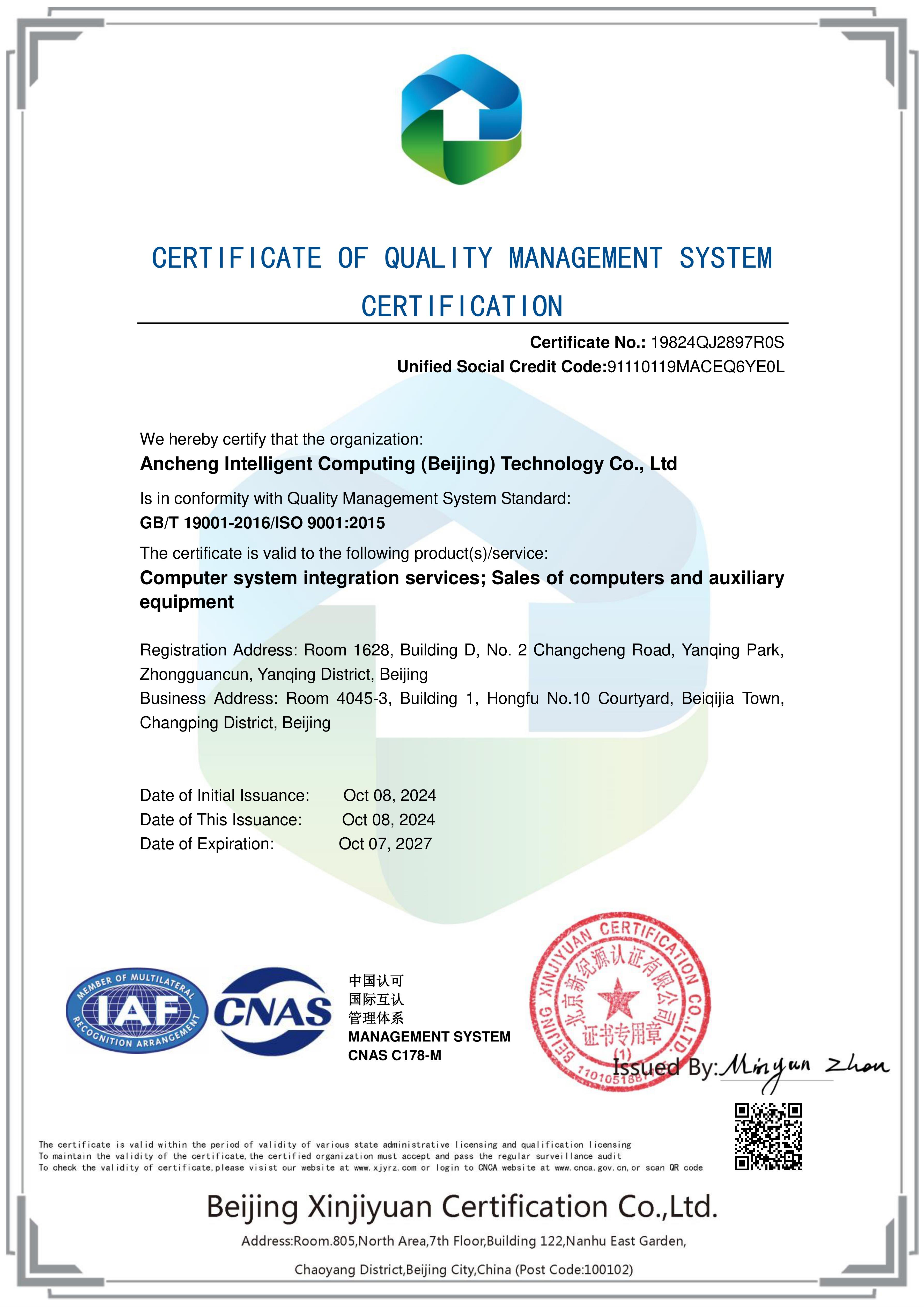
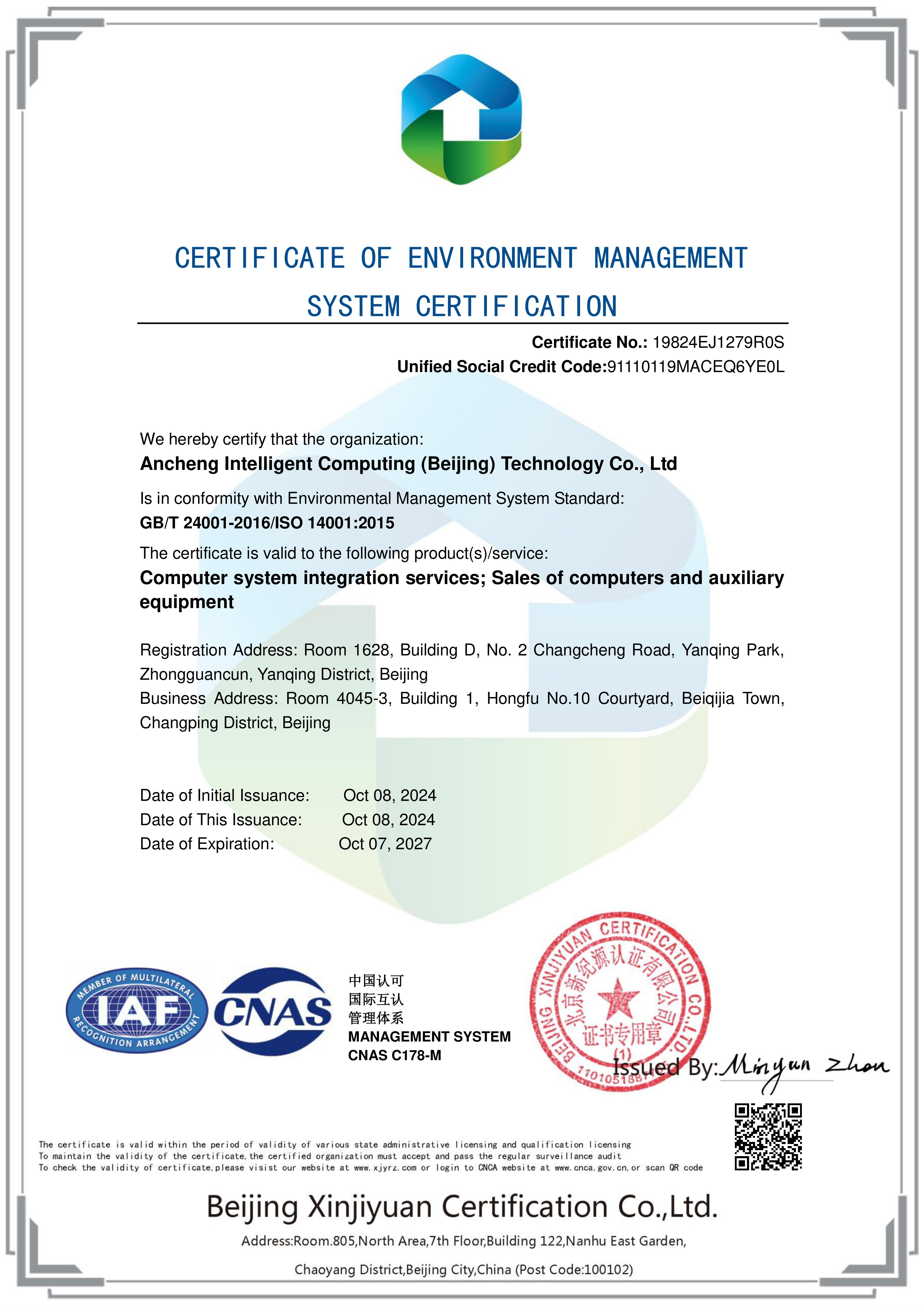
  • ISO9001 and ISO14001 Standards: Working with factories that hold ISO9001 certifications ensures consistent manufacturing quality, while ISO14001 certifications guarantee environmentally responsible management practices.
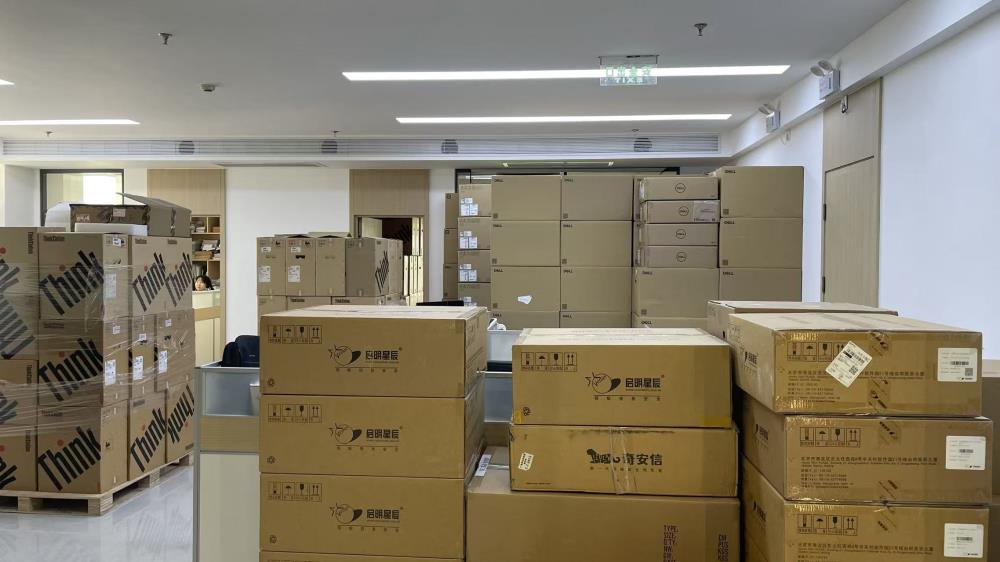
Production Facility Assembly Line
ISO Logo ISO 14001 Certified
ISO Logo ISO 9001 Certified
Company Registration 2023-04-10
Production Floor Space 200 ㎡ (Core Testing Lab & Clean Assembly Room)
Main Export Regions Eastern Europe (30%), Mid East (30%), Africa (20%), Western Europe & Italy
Export Experience 3 Years in Global Trade
Quality Inspection 100% finished product testing; raw material traceability protocols
Main Clients Brand Business, Retailer, Engineer, Wholesaler, Manufacturer

Enterprise-Class Hardware Portfolio for Scale Deployments

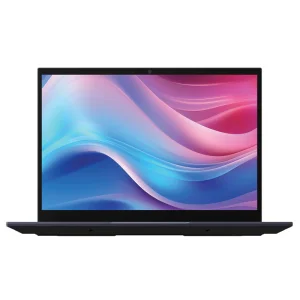
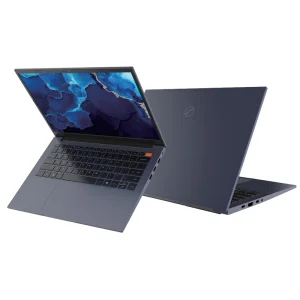
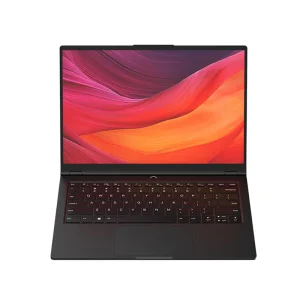
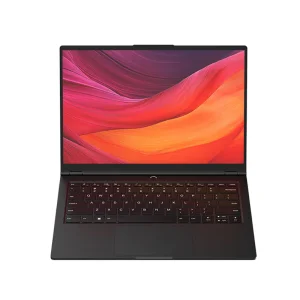
High-performance metal-body laptops and high-expansion business notebooks optimized for European enterprise clients.
5. Localized Operational Scenarios in Italy

Understanding how hardware performs in localized environments helps ensure high reliability and operational efficiency. Here are three common scenarios:

Scenario 1: Automotive Diagnostic and Testing Centers (Turin & Modena)

During vehicle emissions analysis and dynamic ECU (Engine Control Unit) mapping on performance tracks, hardware is regularly exposed to oil, grease, engine heat, and vibrations. Technicians rely on laptops like the Latitude 5430 Rugged or Latitude 5424 Rugged. The integrated legacy serial ports (RS-232) interface directly with diagnostic hardware, while the glove-touch compatible screens enable technicians to log telemetry data easily without taking off their safety gear.

Scenario 2: Industrial Machinery Programming (Bologna Packaging Hub)

Bologna's Packaging Valley is a major hub for complex automated packaging systems. Commissioning engineers frequently climb catwalks and work in tight control cabinets to load PLC programs. In these environments, carrying a heavy laptop is impractical. A lightweight, metal-body notebook with dual-fan active cooling, such as the Hengyue E14, provides the processing power needed to run complex compiler software while remaining portable enough for field use.

Scenario 3: Creative & Design Consultancies (Florence & Milan)

Italian industrial designers and architects require high computational performance and color-accurate displays to run CAD and rendering programs. Modern 14-inch notebooks featuring 1920x1200 IPS displays, Intel Core i7-13620H processors, and DDR5 RAM offer the processing power and display clarity required for smooth 3D modeling work.

6. Future Industry Trends (2025–2030)

The industrial and corporate laptop markets are changing rapidly. Several key trends are shaping the future of hardware procurement:

  1. Integration of AI & NPU Acceleration: Modern processors feature dedicated Neural Processing Units (NPUs) that handle on-device AI tasks, such as real-time predictive machine maintenance diagnostics, without putting a heavy load on the CPU or GPU. This helps improve energy efficiency and speeds up localized data processing.
  2. Emphasis on Circular Design & Sustainability: In line with EU environmental policies, companies are looking for laptops built with post-consumer recycled (PCR) plastics and eco-friendly aluminum. Choosing modular designs that simplify battery, storage, and RAM replacements helps reduce waste and support corporate sustainability goals.
  3. Next-Generation Connectivity: The expansion of private 5G industrial networks across European factories calls for laptops with integrated eSIM capabilities and high-speed Wi-Fi 6E/7 support, ensuring reliable, low-latency connections to local cloud controllers.

Frequently Asked Questions (FAQ)

Q1: How do you ensure the laptops comply with Italian and EU import regulations? +
All shipped laptops are designed to comply with CE, RoHS, and WEEE standards. We check components to ensure they do not contain restricted substances, and we include all required declaration documents with each shipment to facilitate customs clearance at EU ports, such as Genoa or Milan Malpensa.
Q2: Can we customize the keyboard layout to the Italian QWERTY layout? +
Yes. For bulk wholesale and enterprise fleet orders, we offer laser-etched keyboard layouts tailored to specific regions, including the Italian standard layout with accented characters, ensuring your staff can work comfortably.
Q3: What is the typical lead time for shipping to Italy? +
For standard configurations in stock, preparation and quality testing take 3 to 5 business days. Shipping times range from 5 to 7 days via air express, or 30 to 35 days for sea freight, depending on your budget and urgency.
Q4: Are your rugged laptops certified under MIL-STD testing? +
Yes, our rugged units (such as the Latitude 5430 and 5424 rugged series) undergo rigorous testing to meet military standards (MIL-STD-810G/H). They are verified for drop resistance, shock protection, vibration tolerance, and ingress protection against dust and moisture.
Q5: Do you offer custom BIOS and logo options for enterprise buyers? +
Yes, we can pre-configure BIOS settings, install custom splash screens, customize asset tags, and pre-load specific software images or operating systems before packaging.
Q6: How do you handle quality control and hardware verification? +
Our factory operates under ISO9001 and ISO14001 guidelines. We inspect 100% of finished products, subjecting every laptop to screen checks, port verification, battery health calibration, and thermal stress tests to prevent out-of-box failures.
Q7: What is the benefit of a dual-fan cooling system in business laptops? +
Dual active cooling fans help dissipate heat quickly under heavy CPU and GPU workloads. This prevents thermal throttling, ensuring stable performance during demanding tasks like data processing and rendering.
Q8: Can we order sample units for testing before committing to a larger purchase? +
Yes. We support sample orders for technical evaluation and field testing, allowing your IT and engineering teams to verify compatibility before placing a volume order.
Q9: What options do you offer for screen visibility in outdoor environments? +
We offer high-brightness displays (up to 1,000+ nits) with anti-glare coatings. These screens remain clear and readable under direct sunlight, which is ideal for field technicians and outdoor logistics operators.
Q10: What are the payment terms for importing wholesale laptop shipments? +
We offer flexible payment terms for verified corporate clients, including T/T bank transfers and letter of credit (L/C) options, to support smooth procurement cycles.