Explore our leading server and graphics hardware selected for enterprise integration, robust deep learning deployments, and resilient performance-critical business operations.
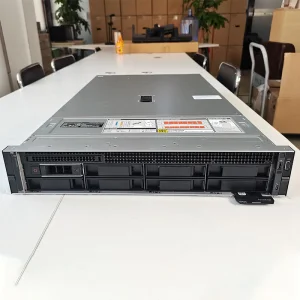
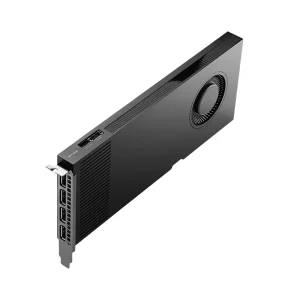

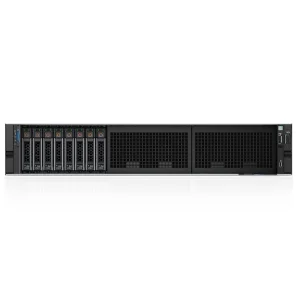
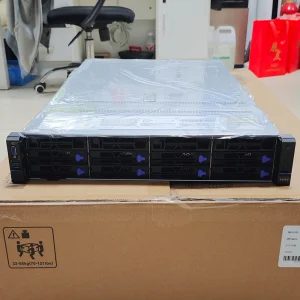
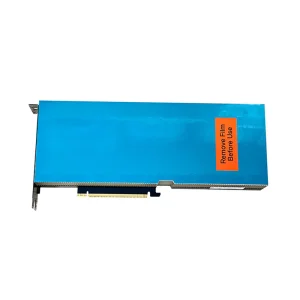
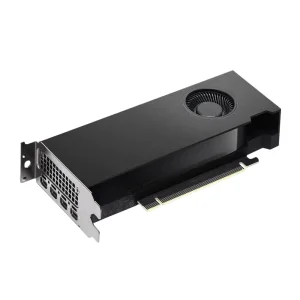
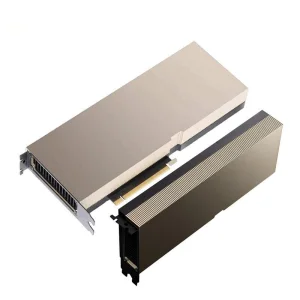
An in-depth analysis of supply chain optimization, industrial 4.0 advancements, and computational hardware reliability.
The hardware landscape is undergoing a structural paradigm shift. Traditionally focused on transactional replenishment and static warehouse management, modern Supply Chain Management (SCM) has evolved into a dynamic ecosystem. This transformation is driven by the rapid growth of high-density computational workloads, cloud computing, and real-time big data processing. Enterprise architectures require highly specialized hardware—such as 2U rack servers, artificial intelligence inference platforms, and high-performance GPUs—to stay competitive.
As organizations shift from legacy systems to multi-cloud environments, hardware supply chains must adapt. This requires closer alignment between chip fabrication, board design, firmware testing, and final system integration. Modern SCM focuses on reducing latency, improving hardware traceability, and incorporating sustainable production methods. With shorter hardware lifecycles and shifting global regulations, SCM partners must offer flexible manufacturing capabilities rather than just standardized logistical support.
Today's procurement strategies prioritize risk mitigation, custom hardware options, and rapid deployment. Standard, off-the-shelf options rarely meet the performance demands of specialized applications like AI model training, BIM rendering, or edge data processing. Companies are moving away from single-source procurement to build relationships with diversified suppliers who can handle custom configurations.
Key requirements for global buyers include:
China's manufacturing sector has evolved from low-cost assembly to highly digitalized Factory 4.0 environments. This shift is characterized by automated optical inspection (AOI), robotic component placement, and dynamic supply chain scheduling. These technologies allow manufacturers to handle complex hardware assemblies—such as multi-processor server boards and high-power AI GPU cooling structures—with high precision and consistency.
This ecosystem offers clear advantages:
High-performance hardware configurations are critical across several key industrial applications:
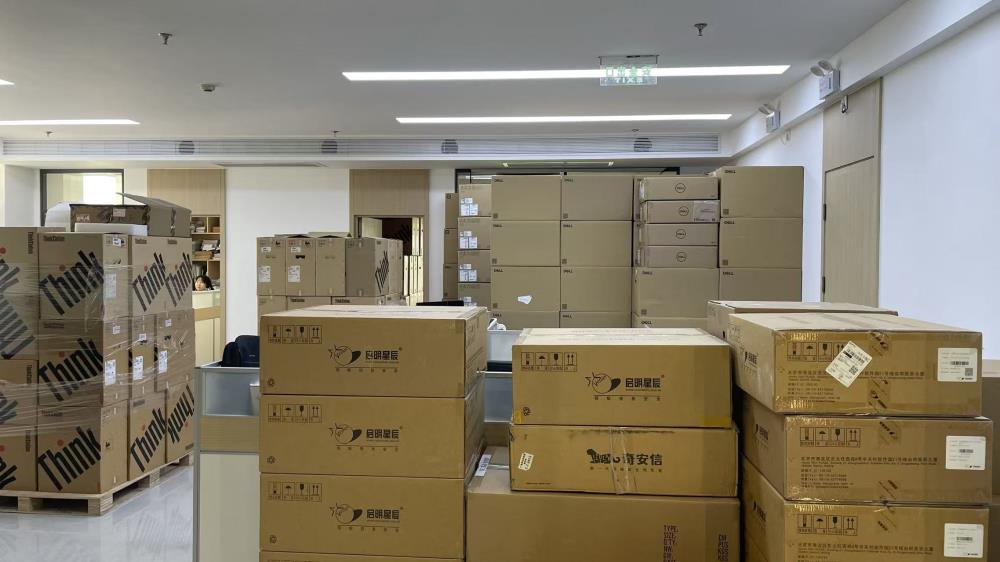
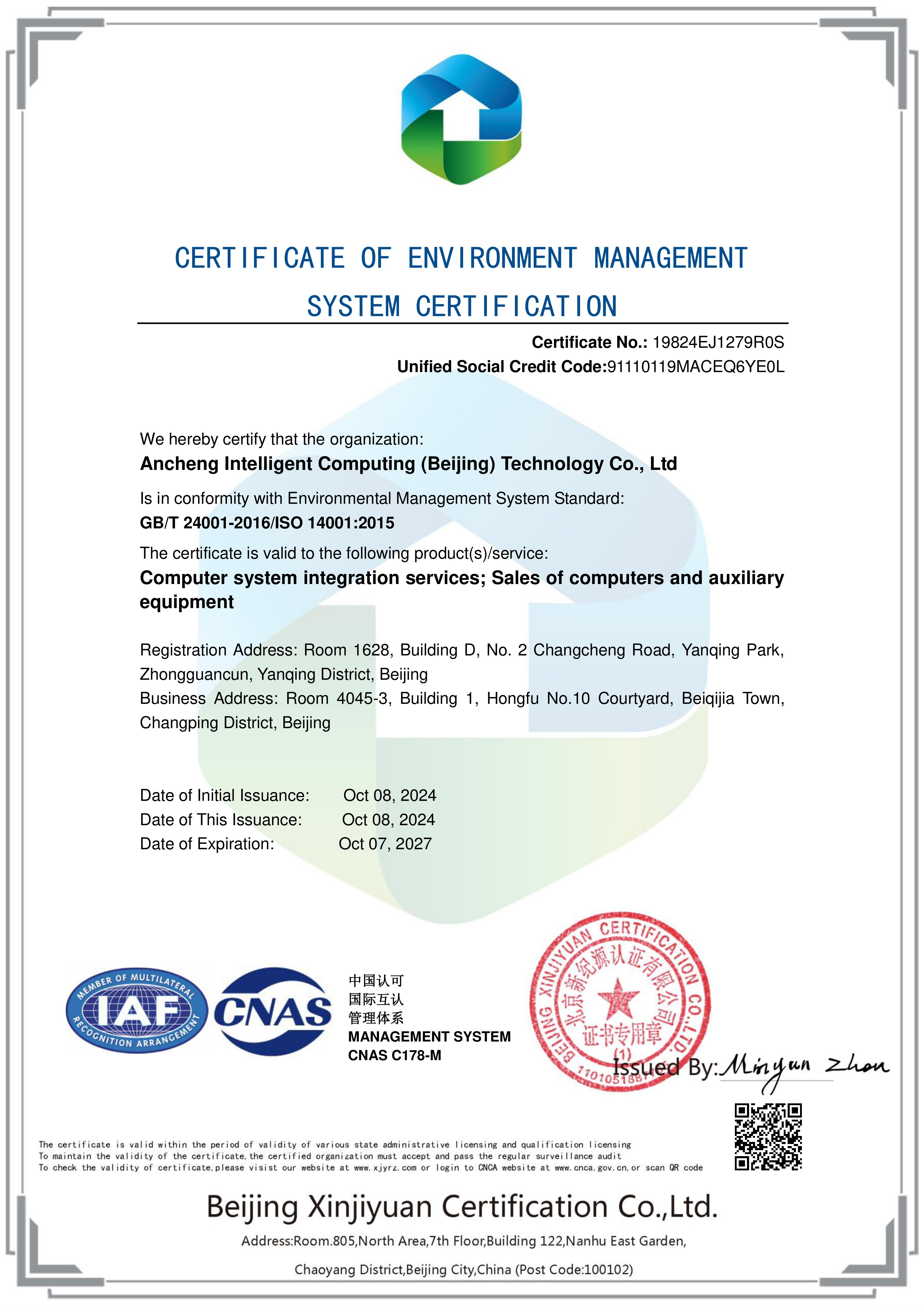
Production capabilities, compliance data, and quality control frameworks.



Important sourcing, configuration, and validation questions answered for procurement managers.
Explore additional high-performance solutions, including next-generation processors, enterprise workstations, and customizable high-capacity storage servers.
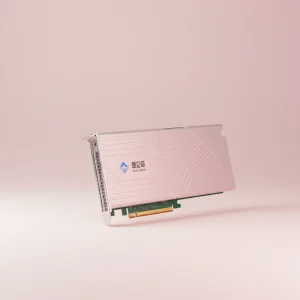
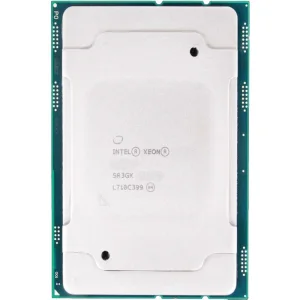
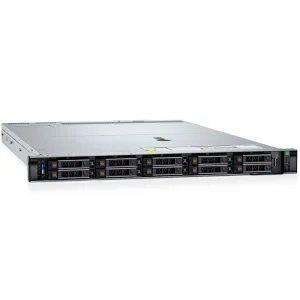
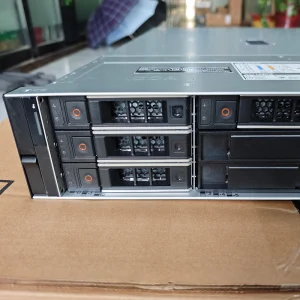
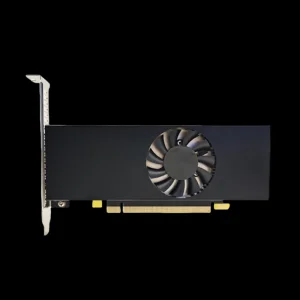
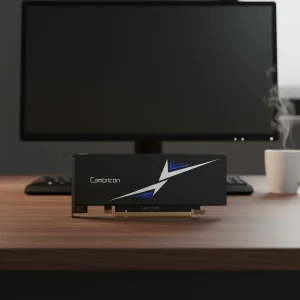
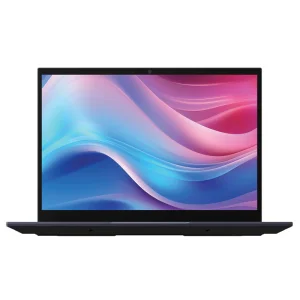
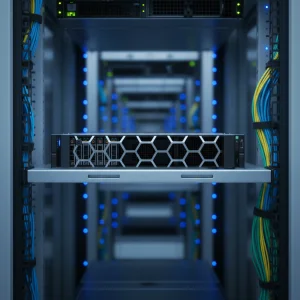
 Aiserver Manufacturer