Aiserver Manufacturer
1 / 5

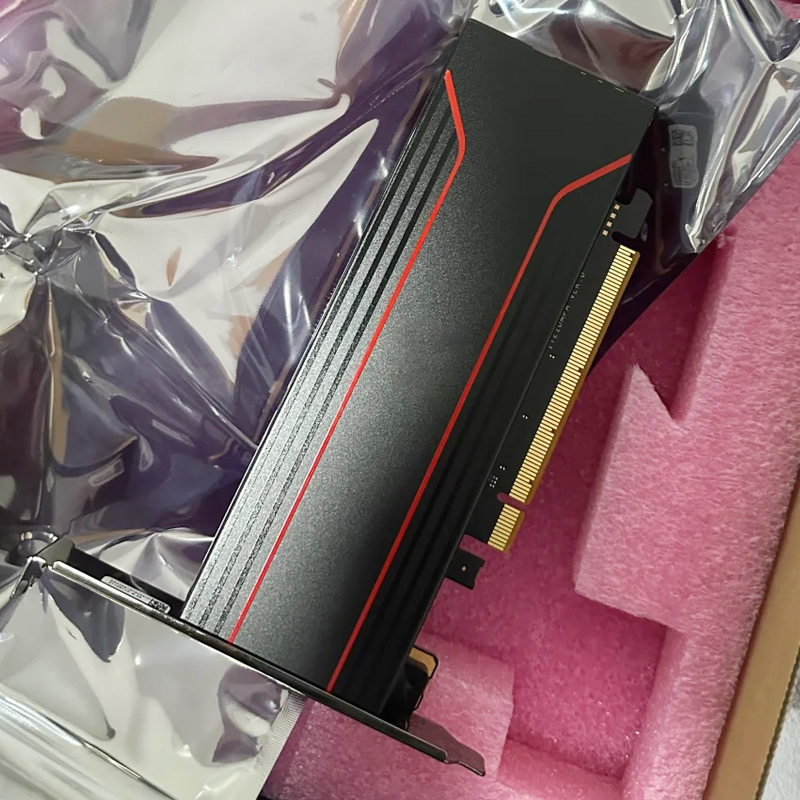
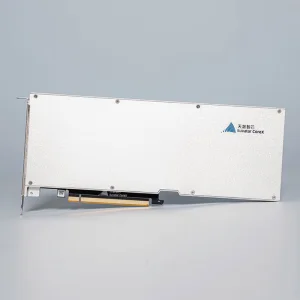
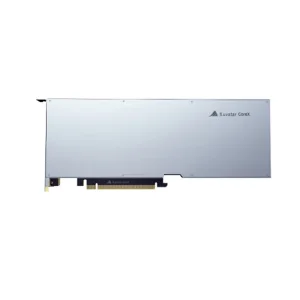
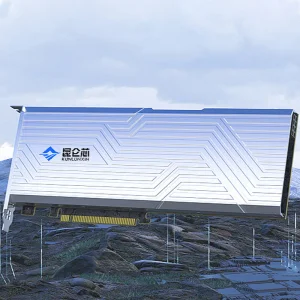
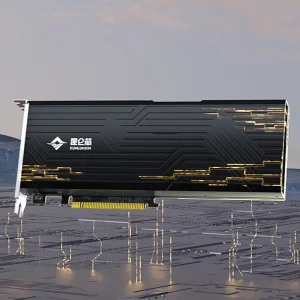
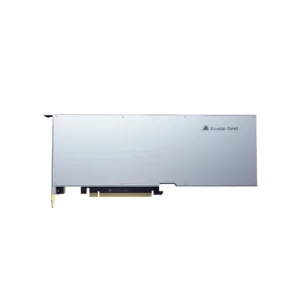
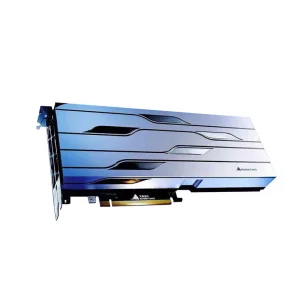
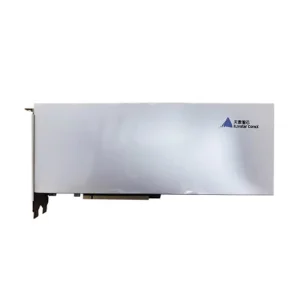
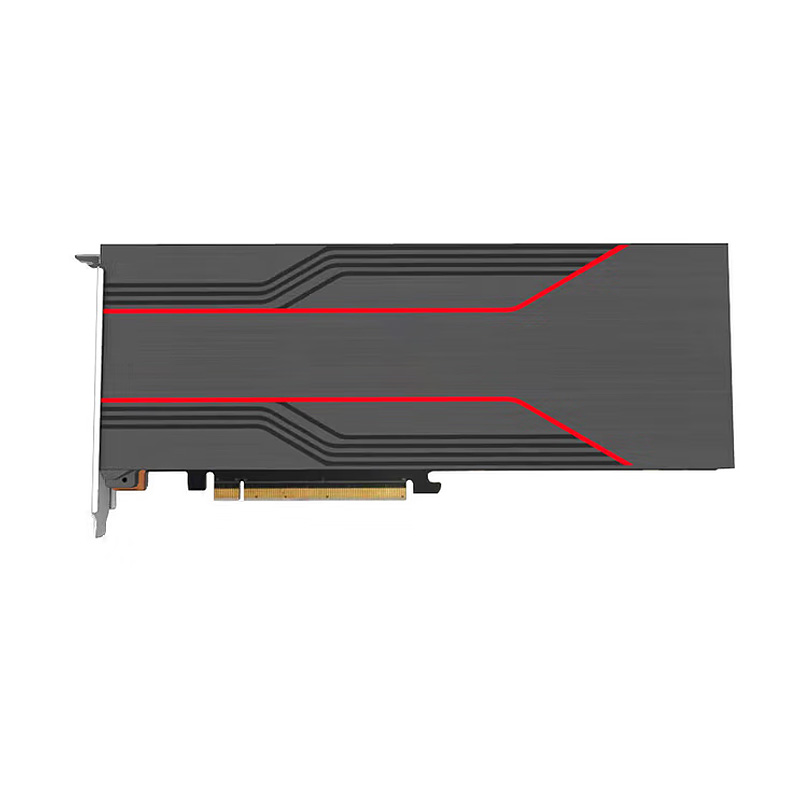
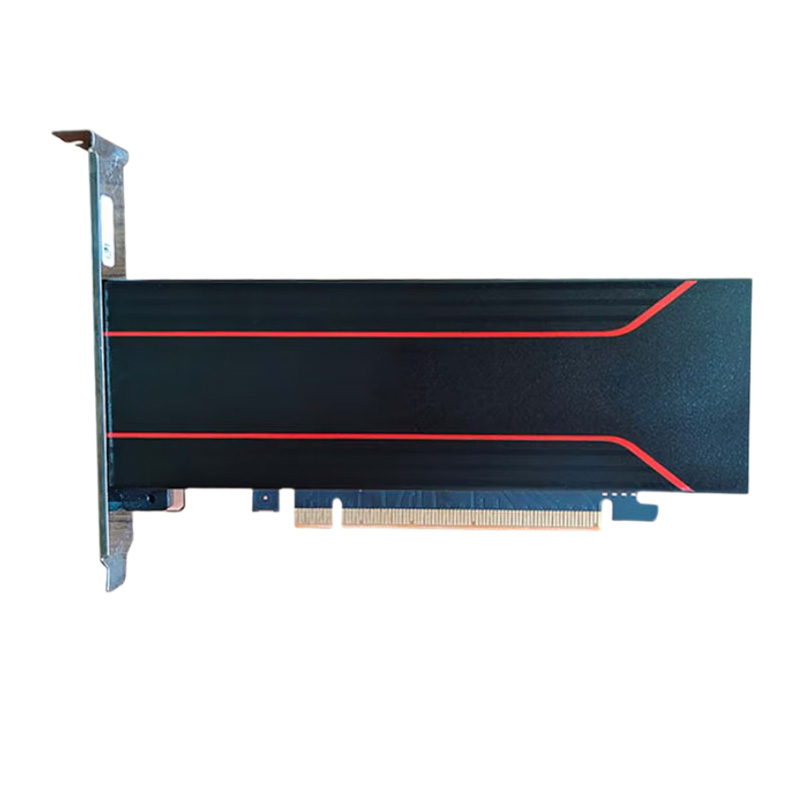
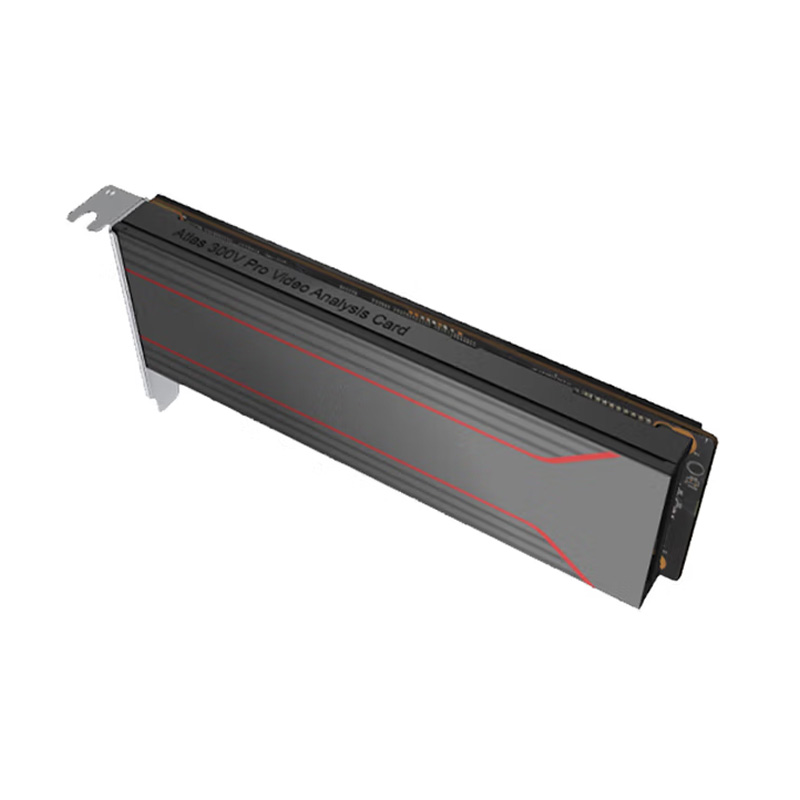
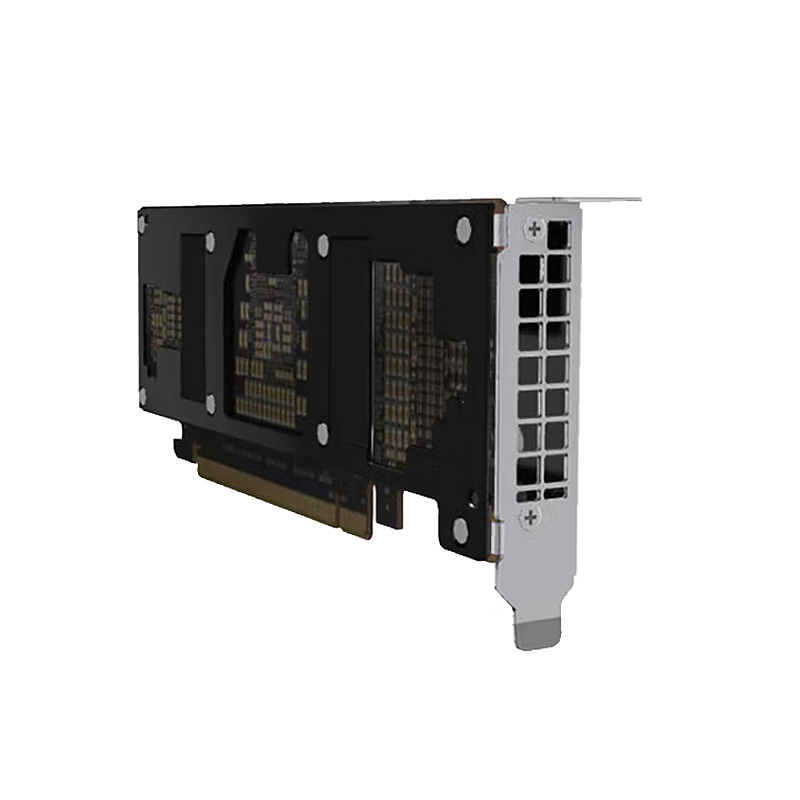
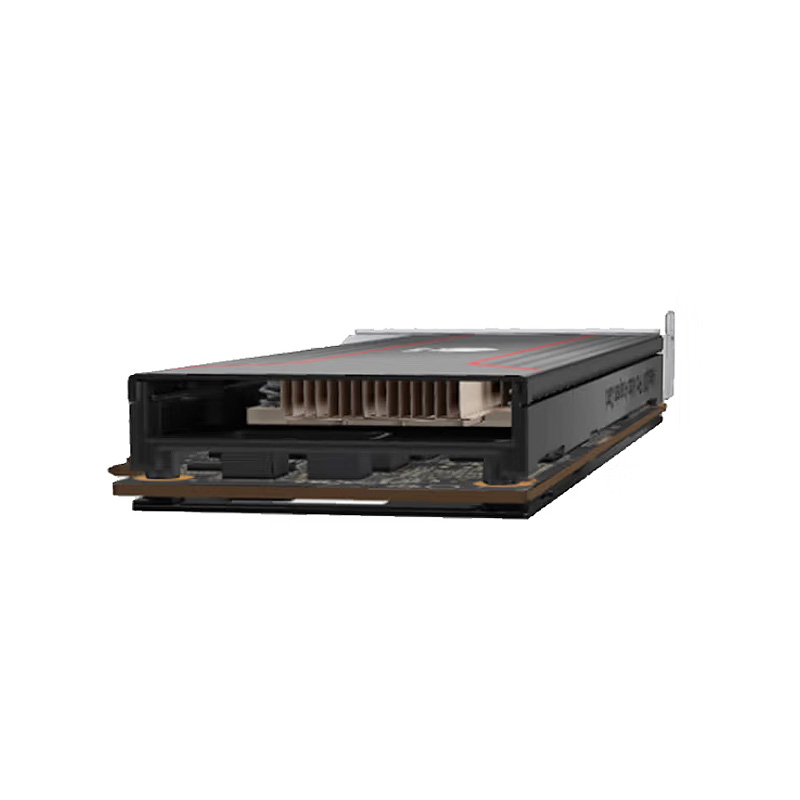
The Atlas 300V 48GB is a domestically produced Ascend series dual-chip AI inference acceleration card, designed specifically for large language models (LLM) and video analysis scenarios. It offers up to 48GB of massive memory and 280 TOPS of INT8 computing power, delivering a cost-performance ratio far superior to similar products.
| Product Name | Atlas 300V 48GB |
| INT8 Performance | 140 TOPS |
| FP16 Performance | 70 TFLOPS |
| Video Memory Type | HBM2E (High Bandwidth Memory, with approximately 30% higher bandwidth compared to HBM2, suitable for the high bandwidth demands of large model inference) |
| Fabrication Process | TSMC 7nm FinFET process, paired with 2.5D CoWoS advanced packaging (ensuring core heat dissipation and signal stability) |
| DirectX Support | Compatible with DirectX 12 (including 12_1 features) |
| Memory Frequency | Effective frequency 3600MHz (native high-frequency characteristics of HBM2E, achieving low-latency data transfer with 800GB/s bandwidth) |
| Memory Bus Width | 2048-bit (HBM2E standard bus width design) |
| Memory Speed | 0.55 ns (latency better than GDDR6) |
| Interface Type | PCIe Gen4.0 x16 (bidirectional bandwidth 64GB/s), supporting x86/ARM host interconnection |
| Form Factor | FHFL dual-slot |
| Weight | 1064g |
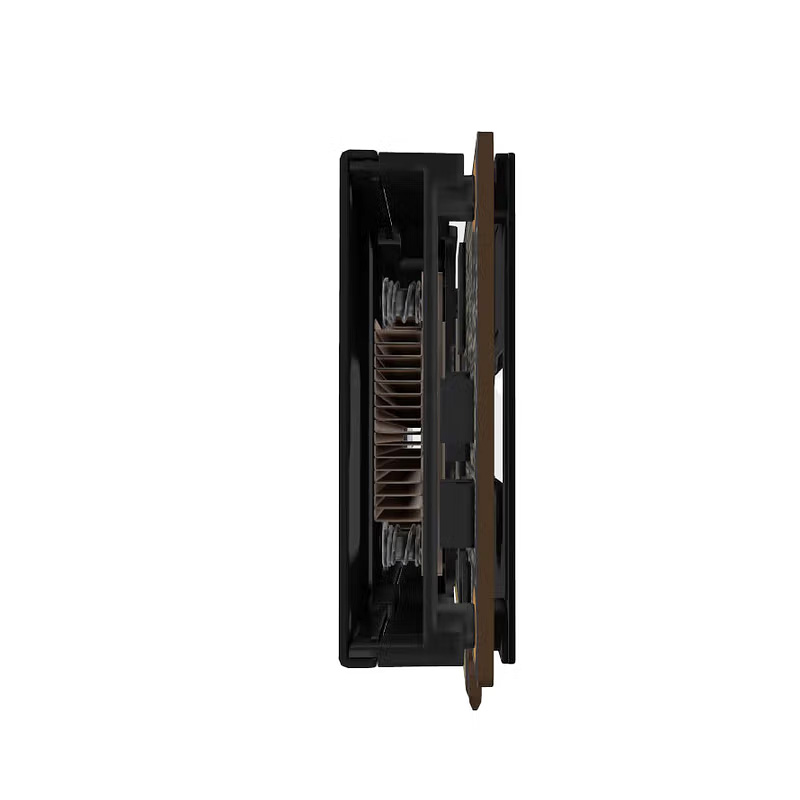
Security is integrated into every phase of the lifecycle, including protected supply chain and factory-to-site integrity assurance. Silicon-based root of trust anchors end-to-end boot resilience.
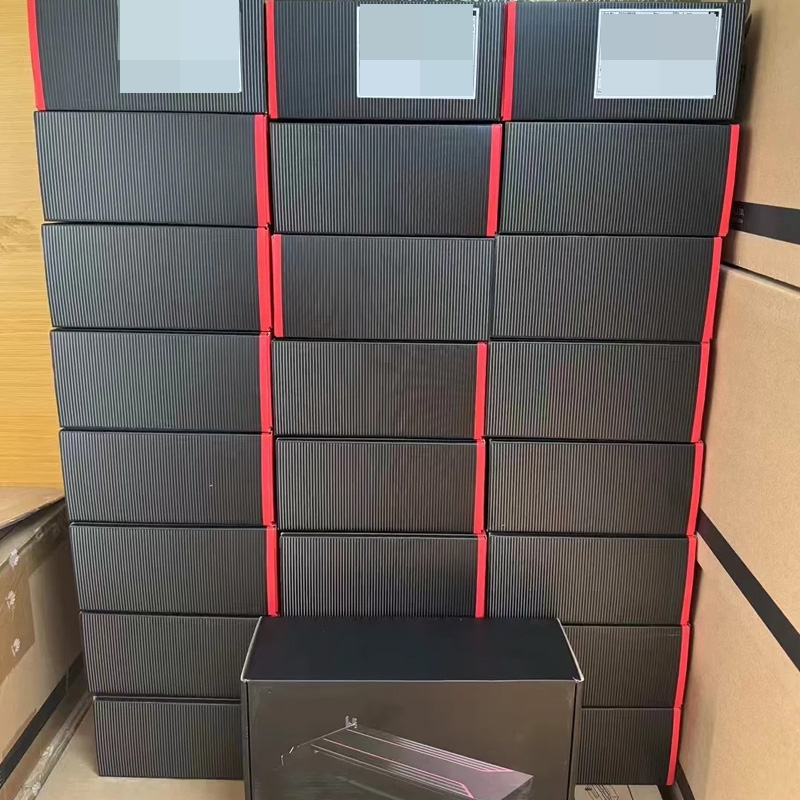
Simplify, automate and centralize one-to-many management with enterprise consoles and iDRAC, increasing efficiency and accelerating operations.
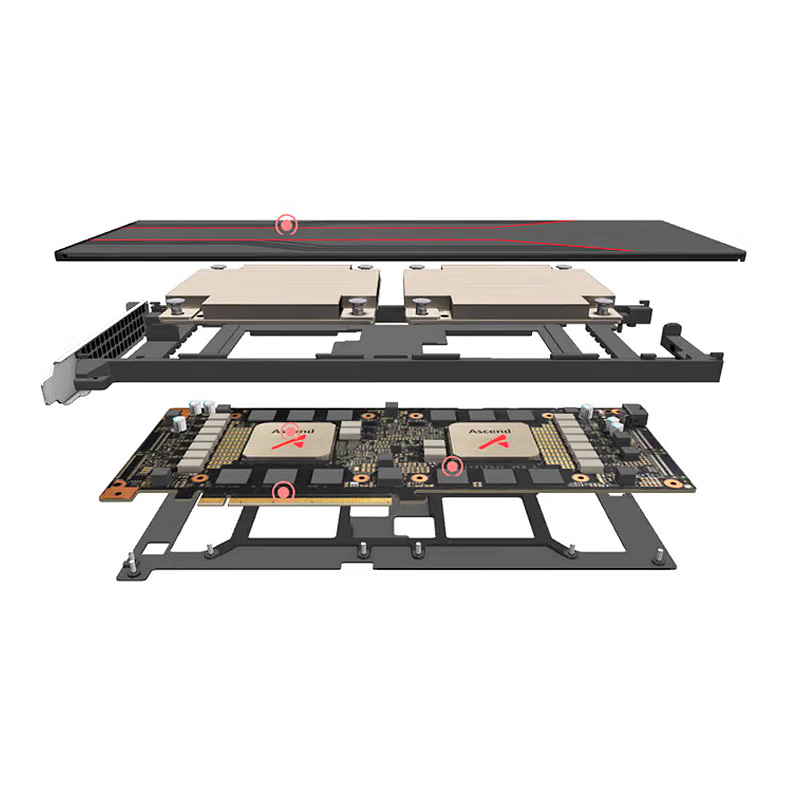
Designed for energy efficiency with innovative options to help reduce the carbon footprint and lower operation costs through thoughtful engineering.
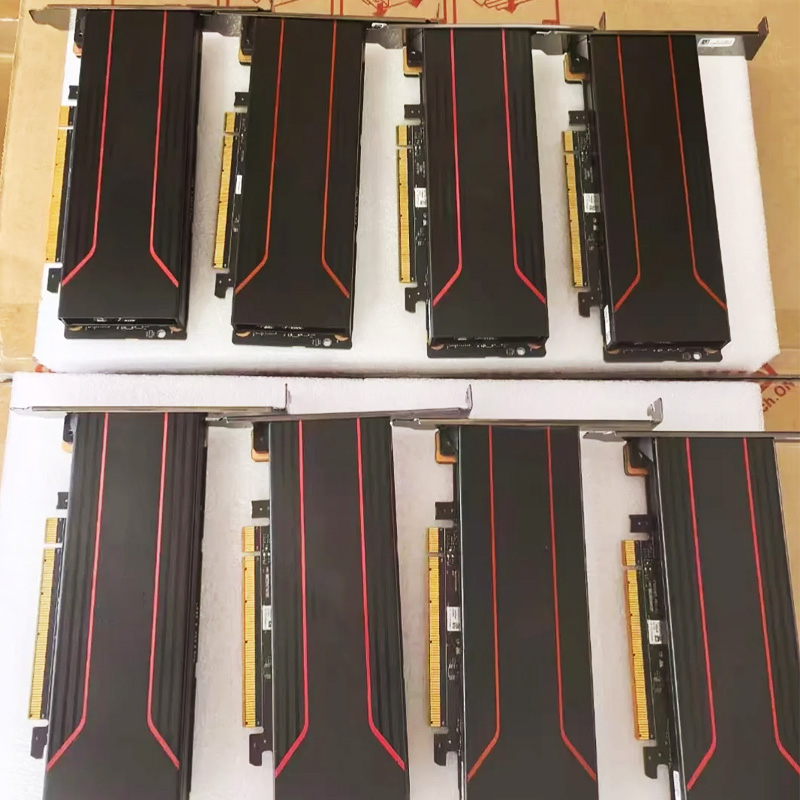
Designed for 24x7 enterprise data center operations, featuring enterprise-grade components and energy-efficient hardware optimized for deployment at scale.
Supports Secure Boot with Hardware Root of Trust technology, provides an extra layer of security, and meets NEBS Level 3 standards to meet new data center requirements.