Aiserver Manufacturer
1 / 5

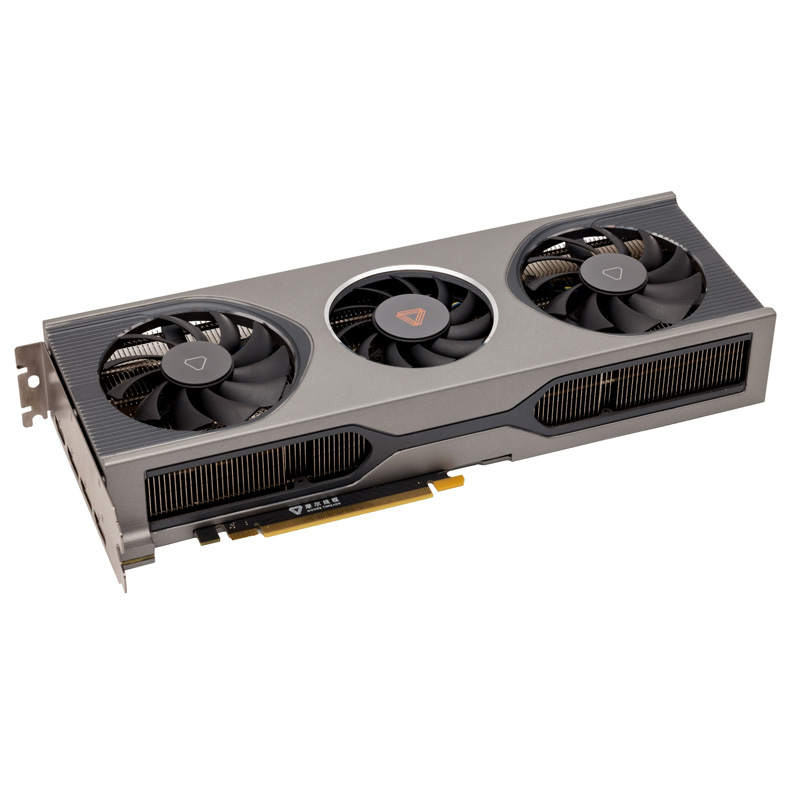
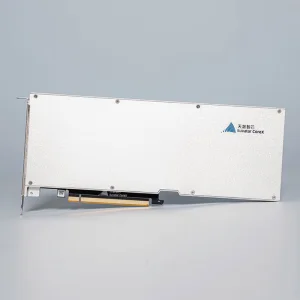
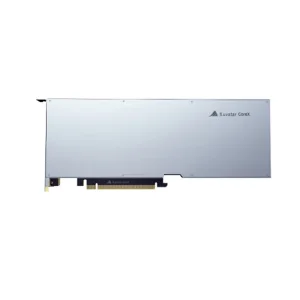
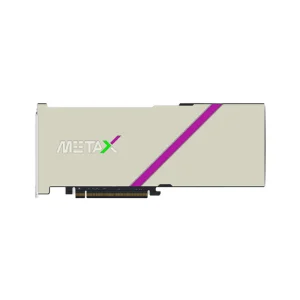
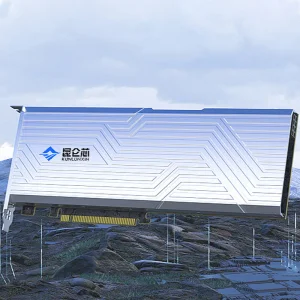
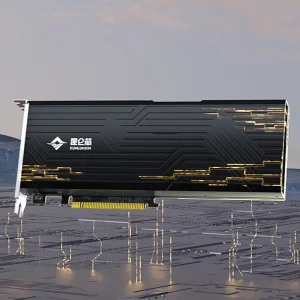
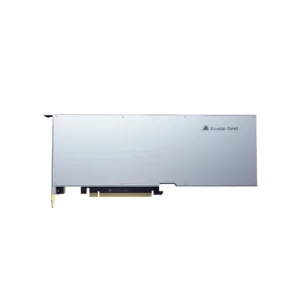
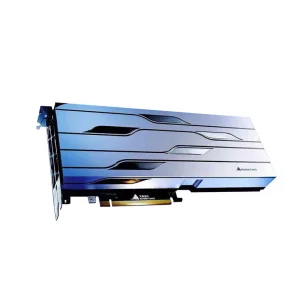
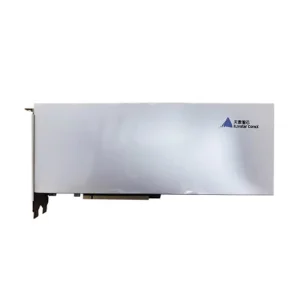
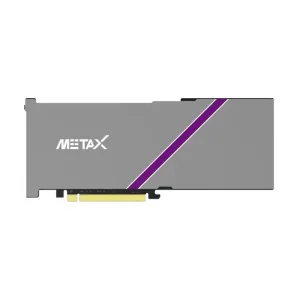
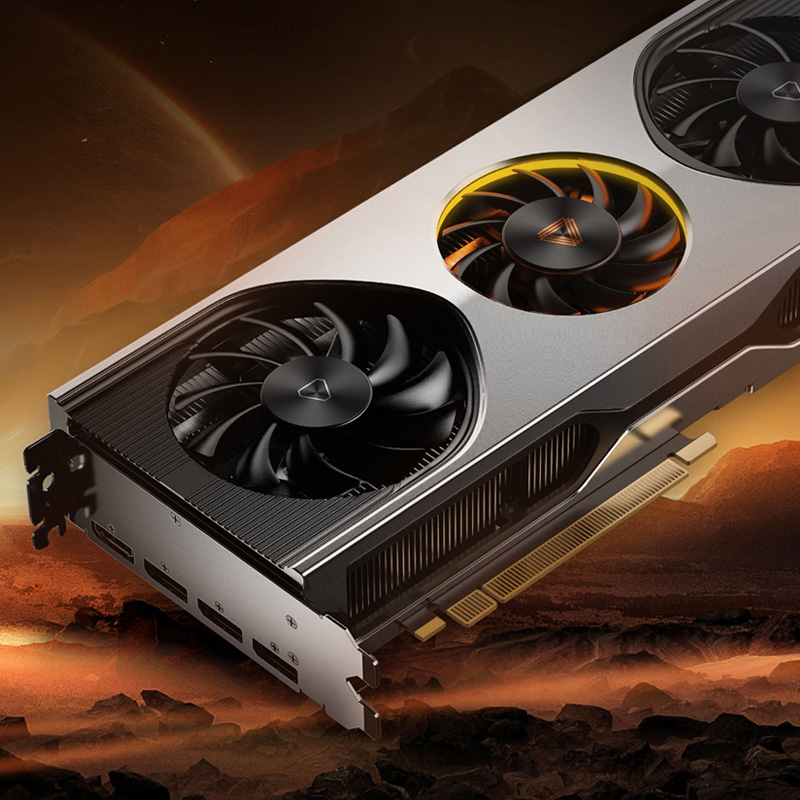
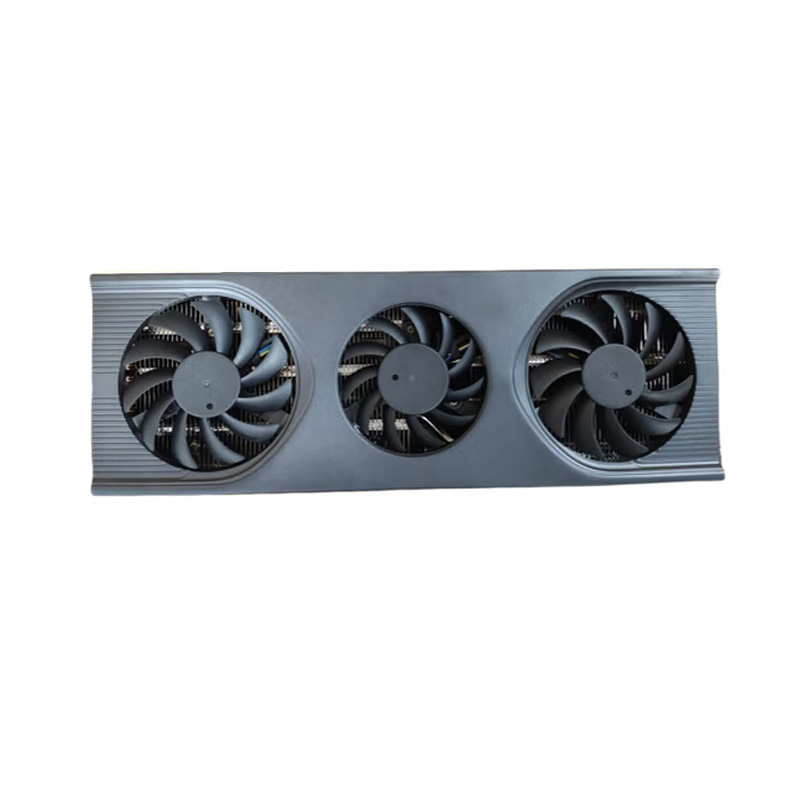
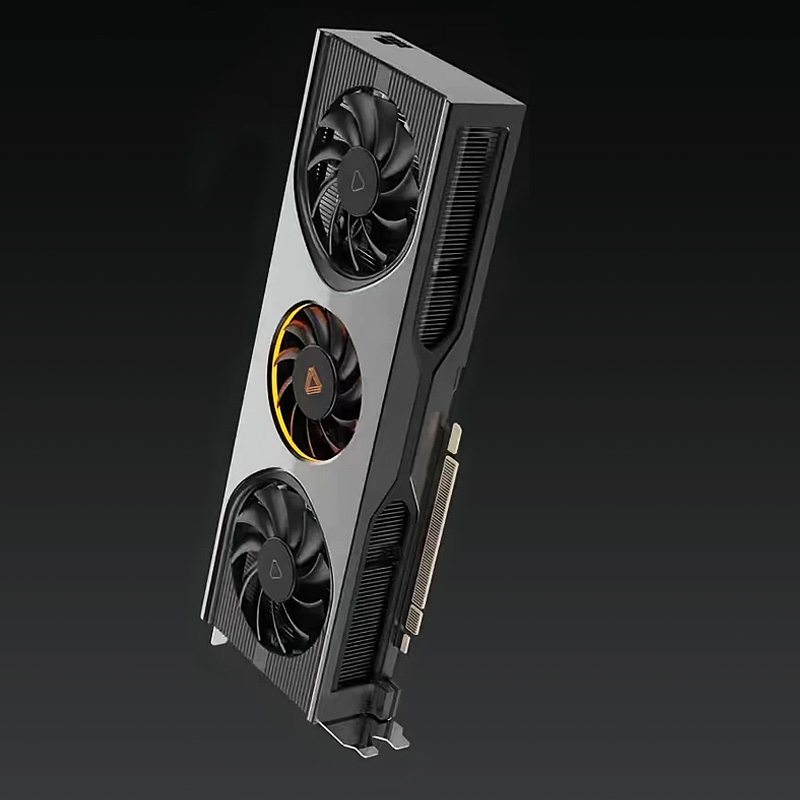
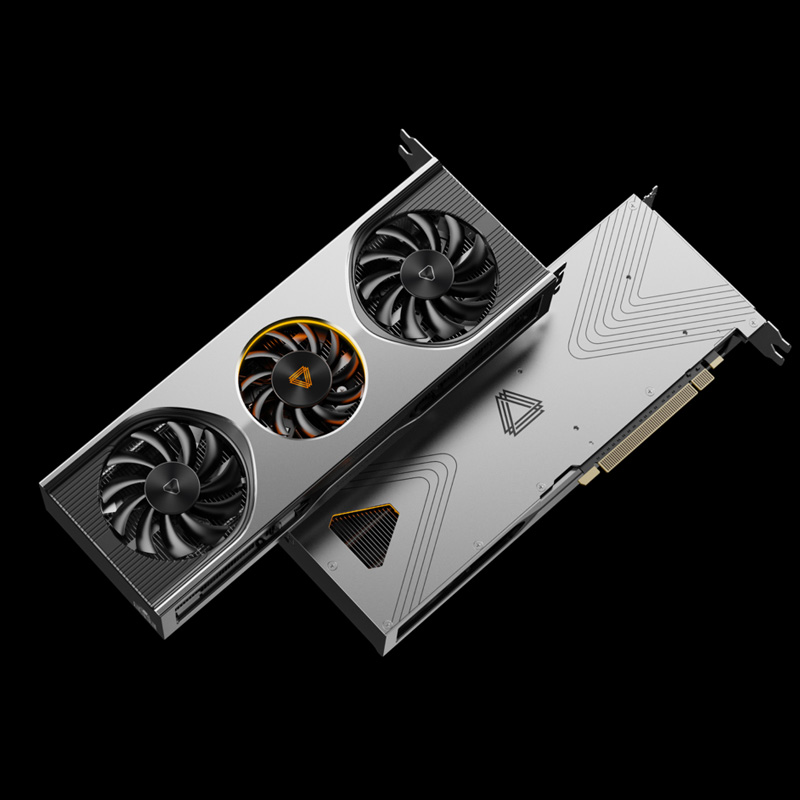
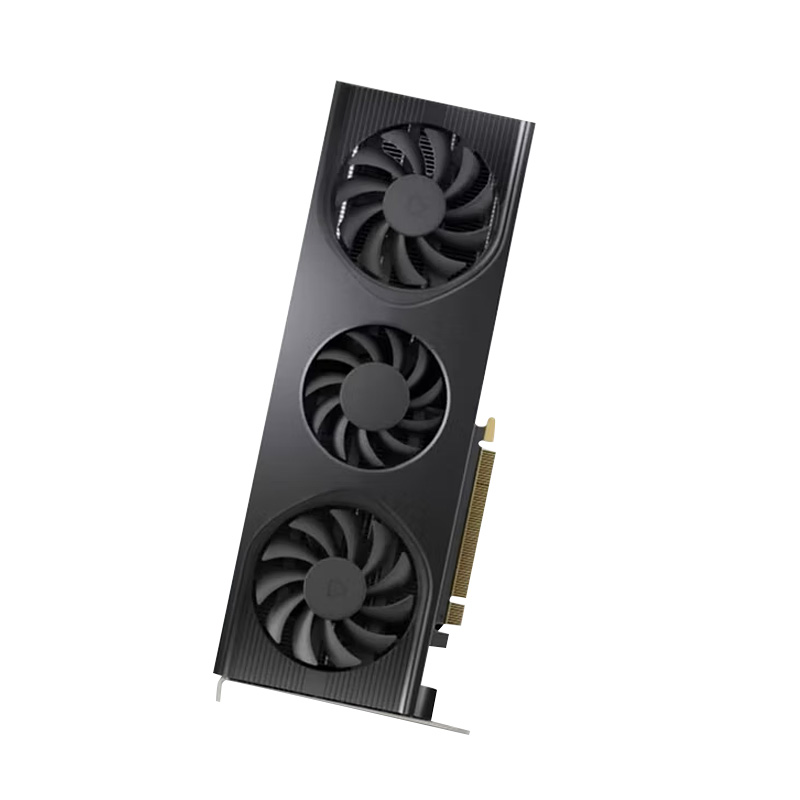
| Product Introduction | The Moore Threads MTT X300 is a high-performance graphics card designed specifically for professional visualization and industrial applications. It is based on the independently developed Chunxiao architecture (second-generation MUSA Unified System Architecture) and excels in domestic substitution and complex scenario computing. |
| Name | Moore Threads MTT X300 16GB |
| INT32 | 14.4 TFLOPS |
| VRAM type | HBM2E (High Bandwidth Memory, with approximately 30% higher bandwidth compared to HBM2, suitable for the high bandwidth demands of large model inference) |
| Chip fabrication process | TSMC 7nm process, paired with 2.5D CoWoS advanced packaging (ensuring core heat dissipation and signal stability) |
| DirectX support | Does not support DirectX or OpenGL for non-graphics rendering positioning, no game/graphics related API adaptation |
| Video memory frequency | Effective frequency 9.375Gbps. By combining the HBM2 memory type with a 1.2TB/s bandwidth, the typical frequency of HBM2 memory in the same industry level is inferred. |
| Memory Bus Width | 1024bit. Based on a memory bandwidth of 1.2TB/s and an HBM2 effective frequency of approximately 9.375Gbps (bandwidth = bus width × frequency ÷ 8), it complies with the HBM2 specification characteristics. |
| Video memory speed | 7ns (based on the physical characteristics of HBM2E memory chips, corresponding to an equivalent frequency of 4000 MHz, with latency better than GDDR6) |
| Output Interface | No traditional video output interfaces (DP/HDMI/VGA), focused on data center inference/computing scenarios |
| Output interface type | The core interface is PCIe Gen4.0 x16 (bidirectional bandwidth 64GB/s), supporting x86/ARM host interconnection. |
| Form Factor | FHFL dual - slot |
| Weight | 1064g |
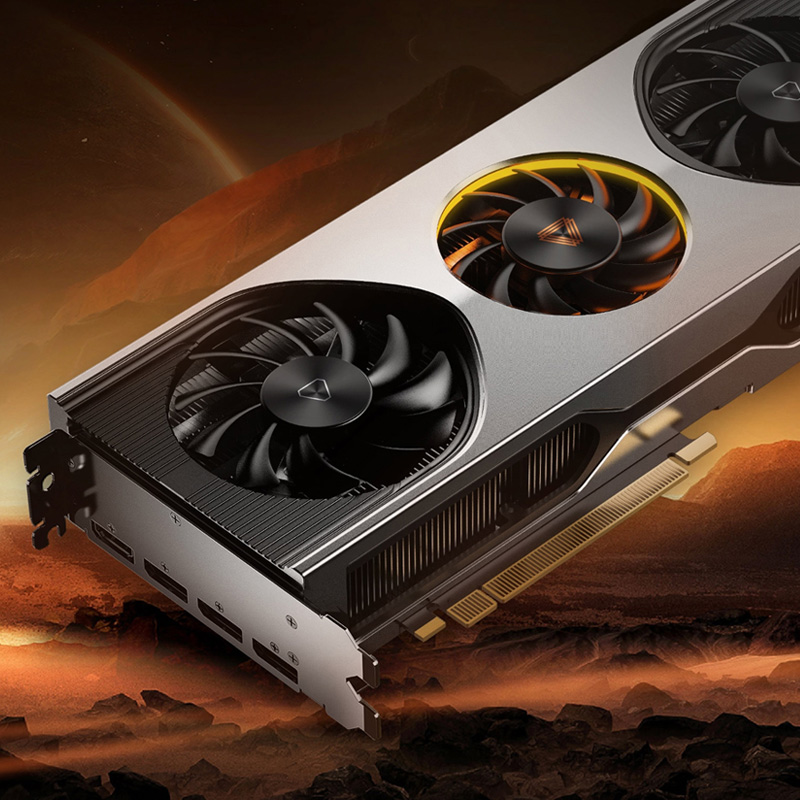
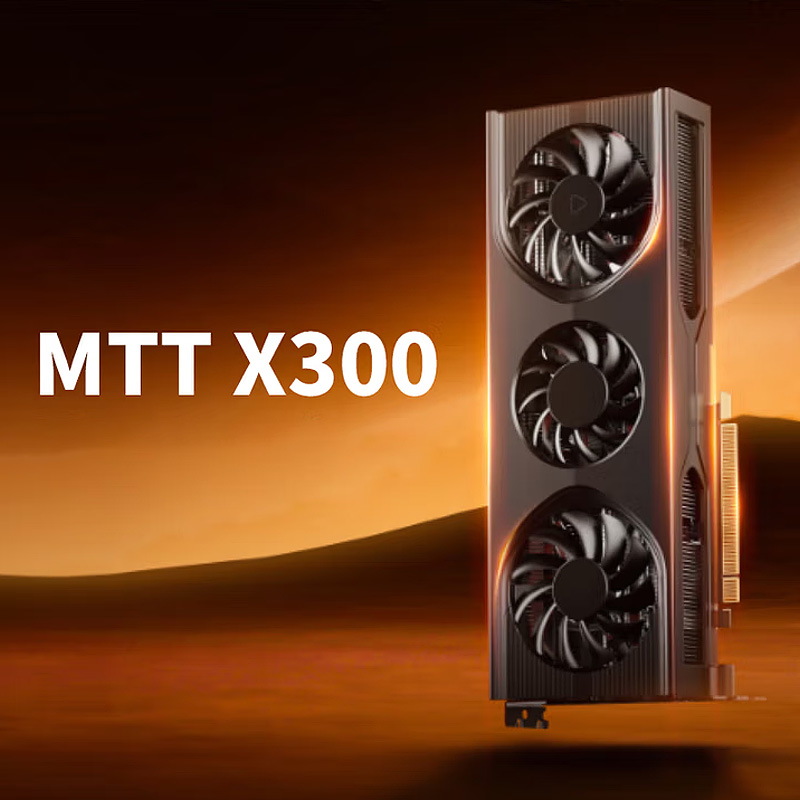
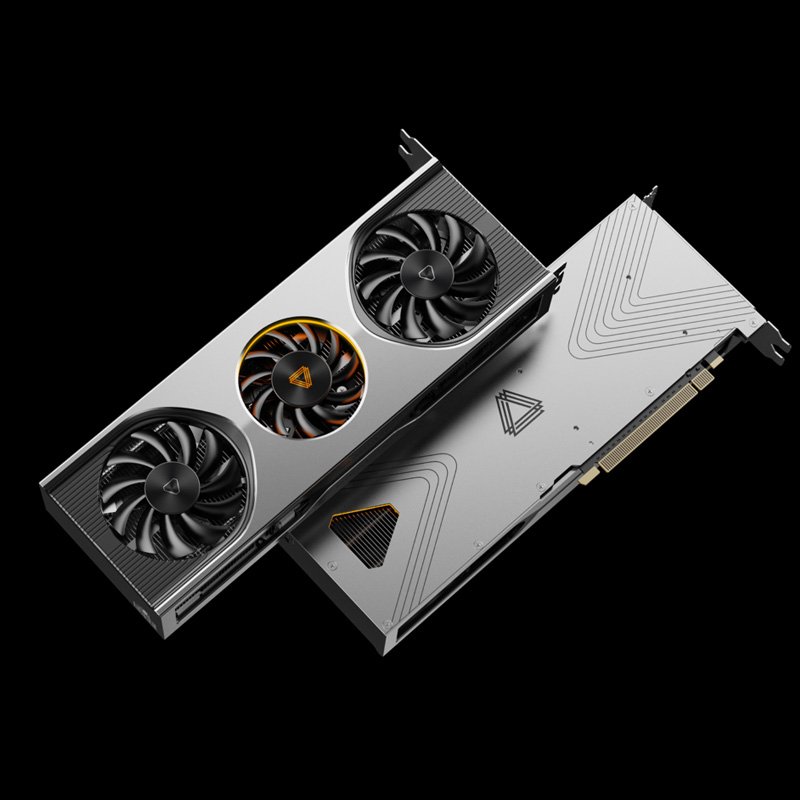
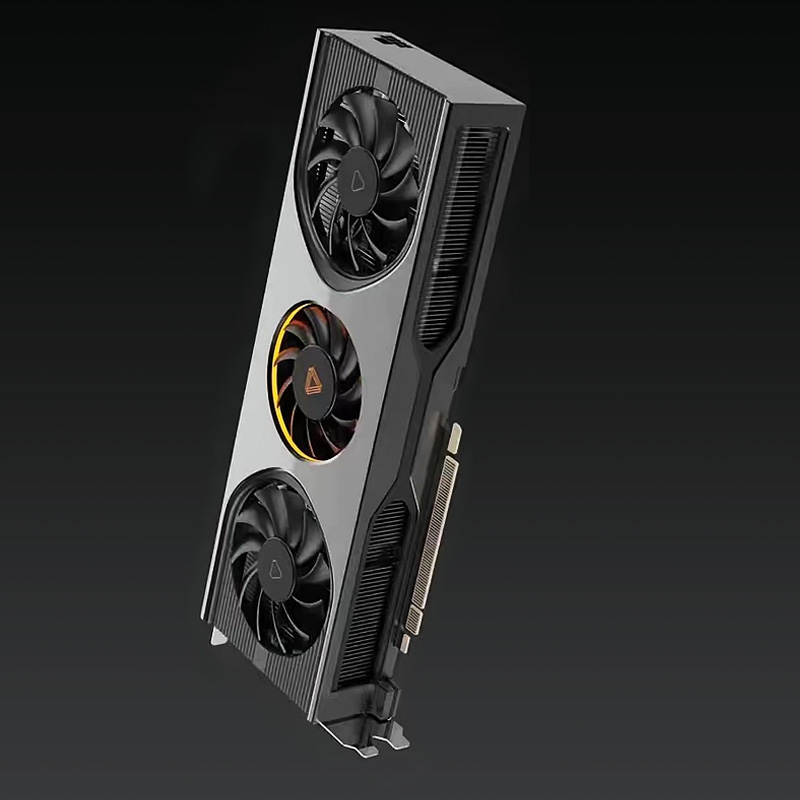
Designed for 24x7 enterprise data center operations, it features enterprise-grade components and energy-efficient hardware optimized for deployment at scale.
Supports Secure Boot with Hardware Root of Trust technology, provides an extra layer of security, and meets NEBS Level 3 standards to meet new data center standards.
The passively cooled, energy-efficient, dual-socket design fits a wide range of Tesla-Certified systems from OEM vendors and is easy to integrate into existing data center infrastructure.