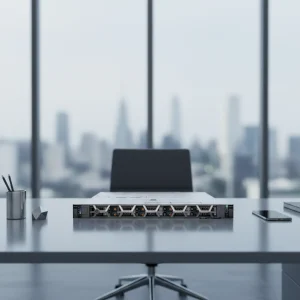
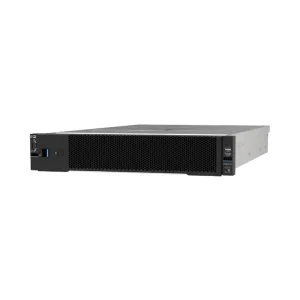
High-demand GPU accelerators and rack systems optimized for low-latency financial model training and big-data clustering
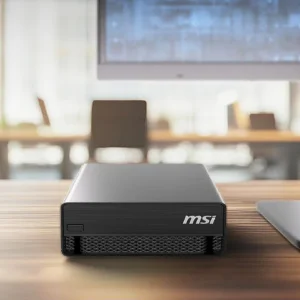
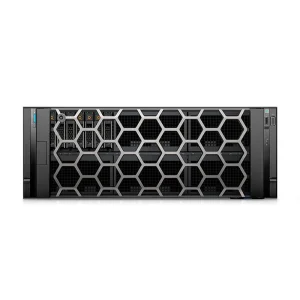
The state of New York has rapidly emerged as a key locus for artificial intelligence research, deployment, and high-performance computing (HPC) physical infrastructure. While Silicon Valley remains a software hub, the financial corridors of Manhattan, the biomedical labs of Long Island, and the growing semiconductor fabrication projects in Upstate New York (specifically the Albany NanoTech Complex) demand localized, resilient, and highly secure AI server manufacturing resources.
As algorithmic trading, LLM-based customer service agents, and automated regulatory compliance tools become foundational to financial tech operations, the latency constraints of typical public cloud environments become a bottleneck. Top-tier institutions are transitioning to hybrid cloud topologies. They require specialized AI Server Factories located within transport proximity to their primary datacenters in New Jersey and New York. This proximity ensures that complex server systems—consisting of high-density graphics processing units (GPUs), liquid-cooling manifolds, and robust high-bandwidth memory (HBM) subsystems—can be configured, tested, and deployed with zero shipment delays.
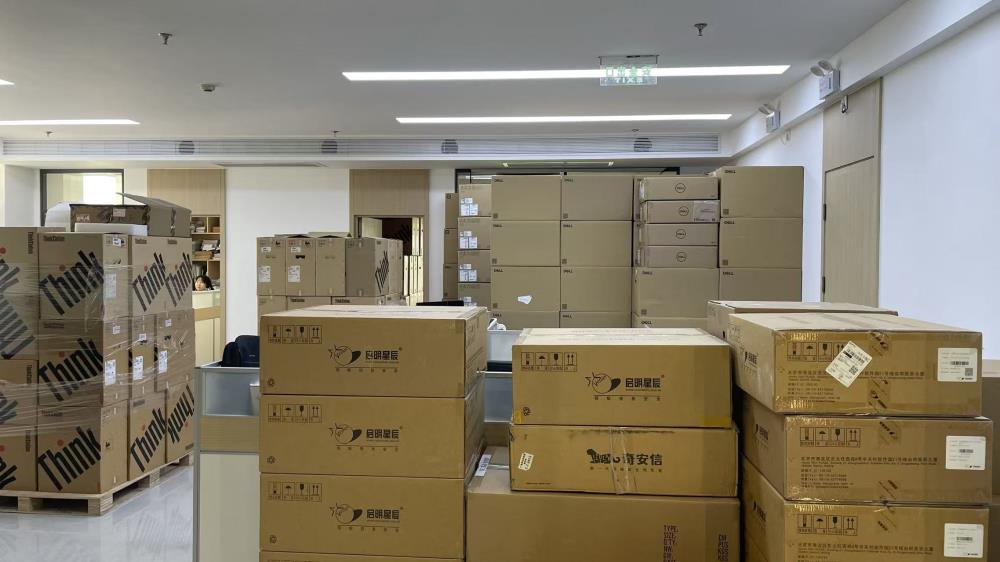
Underpinned by rigorous Quality Assurance standards and international compliance pathways
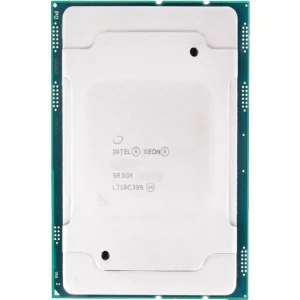
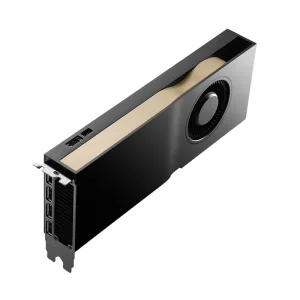
Configuring and deploying nodes housing high-thermal design power (TDP) processors, such as modern 300W+ server CPUs and 700W+ graphics processing units, requires strict structural adherence to electrical and thermodynamic regulations. Our production facilities maintain a rigorous design protocol that incorporates customized liquid cooling, multi-phase power distribution units (PDUs), and meticulous airflow testing.
Every node that leaves our cleanroom floor undergoes stress-testing paradigms designed to mimic intensive computing workloads, such as distributed LLM training runs. Our team executes high-load burn-in procedures over continuous 72-hour intervals to isolate thermal bottlenecks, check signal integrity across high-speed PCIe Gen 5 interfaces, and verify correct memory addressing under maximum operational load.
By maintaining close, integrated relationships with Tier-1 silicon providers, we ensure that supply chains remain dynamic. Our sourcing capabilities mitigate the lead times typically associated with high-end computing projects, offering New York enterprises an agile partner capable of delivering bespoke server configurations customized for high throughput.


The compute footprint required to support complex Large Language Models (LLMs) and diffusion neural networks is evolving at an exponential rate. Standard rack structures, historically limited to 10kW to 15kW of thermal extraction capability, are increasingly obsolete. Modern server architecture must support high-density configurations that draw upwards of 40kW to 100kW per cabinet.
To ensure peak operational efficiency, our engineering teams focus on three primary hardware design parameters:
| Hardware Generation | Processor Support | TDP Target | Recommended Cooling Type | Primary Application |
|---|---|---|---|---|
| Tier 1 Classic Rack | Intel Xeon / Standard PCIe GPU | Up to 300W | Air Cooling with Fan Trays | Edge Nodes & Small-Scale Analytics |
| Tier 2 High-Density | Xeon 6th Gen / Custom High TDP GPU | 300W - 500W | Assisted Liquid-to-Air Loop | Model Fine-Tuning & Multi-Tenant Cloud |
| Tier 3 Hyper-Scale | Multi-Accelerator Clusters / Custom HBM Systems | 500W - 1000W+ | Direct-to-Chip Direct Liquid Cooling (DLC) | Large Scale Foundation Model Training |
By developing systems that align with this roadmap, we ensure that installations across the New York region remain compatible with future generations of compute hardware, protecting initial capital investments and establishing long-term infrastructure stability.
Explore our production catalog featuring server options designed for scalability, local compliance, and high reliability
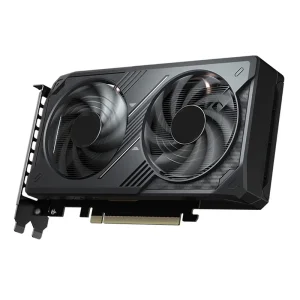
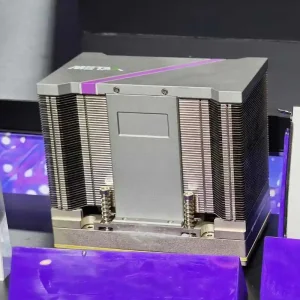
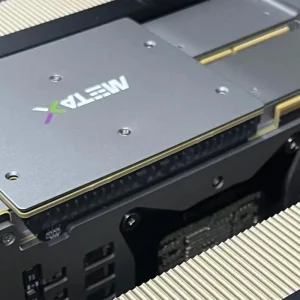
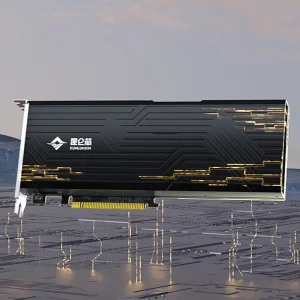
Enterprise procurement of high-density AI infrastructure has changed over the past fiscal quarters. Previously, IT managers purchased off-the-shelf rackmount systems from generalized distributors. Today, the specialized demands of model training require direct integration with custom hardware platforms. Hardware buyers are focusing on three procurement objectives:
By positioning operations near major logistics points, our assembly and distribution processes support seamless deployment. This allows New York and international client networks to keep pace with changing operational targets.
Connect with our server engineers to design custom computing infrastructures built for performance and scale.
Send Inquiry NowFrequently asked questions concerning hardware engineering, configuration options, and localized support
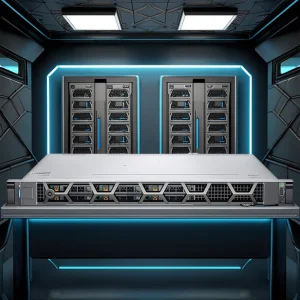
We work directly with facilities management teams at major colocation hubs in New York and New Jersey to align hardware layouts with the local facility's power and cooling architecture. This includes custom configuration of rack heights, power distribution options, and rail kits to match the datacenter footprint, reducing installation times.
Our diagnostic team executes a 100% inspection policy. Every server is subjected to hardware-level stress testing, including multi-loop thermal runs, high-stress GPU computing tests, and diagnostic evaluation of raw materials. All components are cataloged within a tracking system to maintain transparency and traceability.
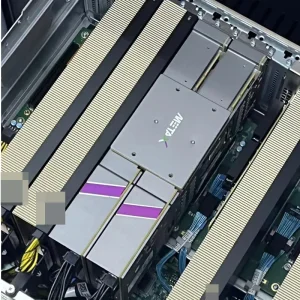
We utilize high-efficiency digital power supplies designed to handle rapid transient load spikes typical of deep learning workloads. Additionally, our server layouts support direct liquid cooling options, allowing processors to operate continuously at high utilization without thermal throttling.
Yes, our OEM/ODM assembly capabilities allow for customization of DDR5 memory arrays, high-speed storage configurations, and PCIe expansion layouts to match your application requirements. Our engineering team helps design configurations optimized for your processing workloads.
 Aiserver Manufacturer